
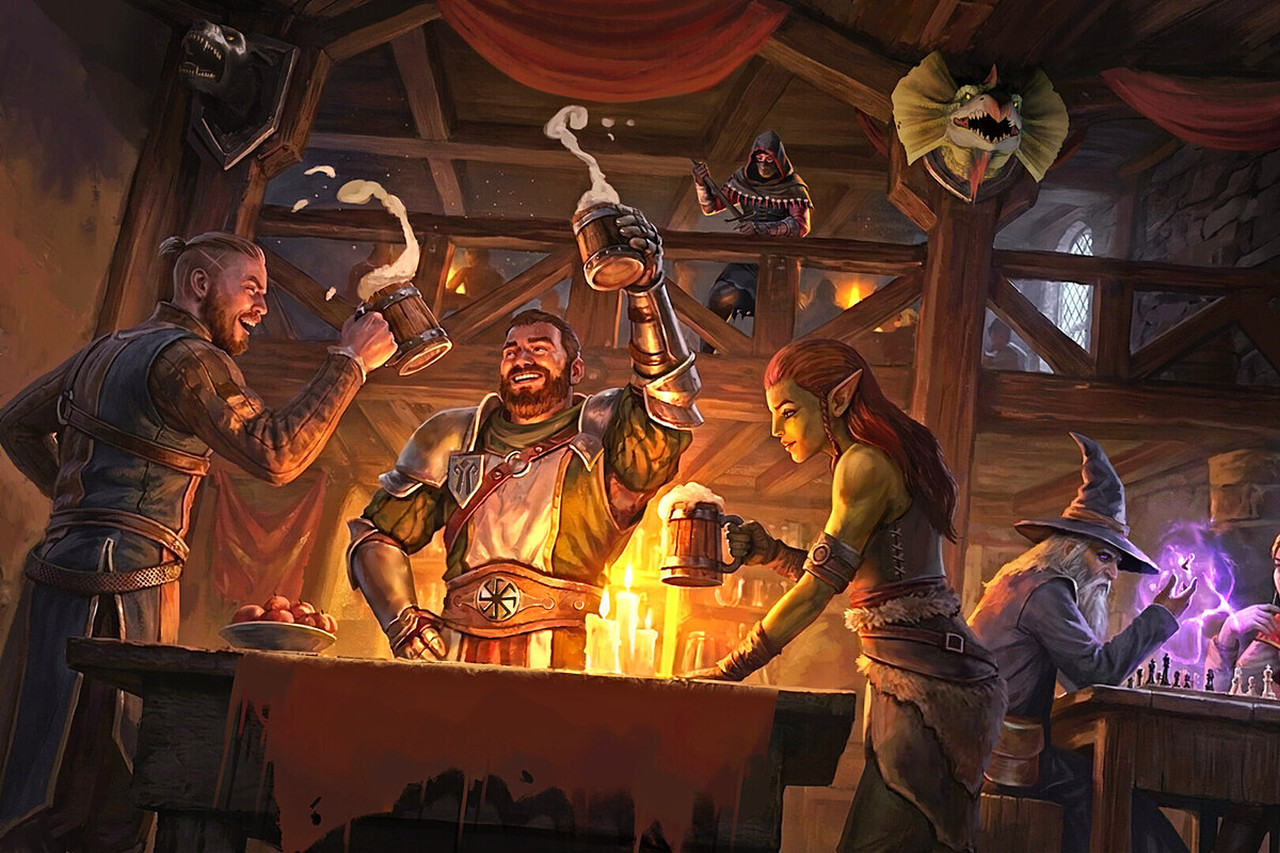
Crown of Greed is not the kind of strategy game where heroes leap into action like obedient dogs the moment the player clicks somewhere. BLUM Entertainment instead revives the strange, rarely continued legacy of Majesty, the 2000 classic where heroes had their own will, their own price, and very little interest in dying for your kingdom unless the reward looked worth the risk. It is part city builder, part RTS, part RPG-flavored management game, and it deliberately pokes at the habits built by Age of Empires-style strategy.
Real-time strategy has been part of PC gaming for decades, but the genre rarely receives a twist that genuinely asks the player to think differently. Crown of Greed is interesting precisely because of that. This is not simply a traditional RTS frame with a few city-building or tower defense elements bolted onto it. BLUM Entertainment goes deeper into the rules, because the central question is not how quickly you issue orders, but how you persuade your heroes to follow them in the first place. That immediately gives the game a different rhythm. The usual “player-god” role starts to crack: on paper, you are the higher power trying to reclaim the throne of Rodovia, building a settlement, recruiting forces, and completing missions with familiar goals such as destroying enemy towns, capturing checkpoints, surviving waves of attackers, and moving on to the next objective. The difference is that execution is no longer the comfortable click-and-obey routine of a classic RTS.
You Do Not Hold The Absolute Truth, You Have To Convince The Heroes
The real shift appears when you try to use your heroes. They are the strongest part of your army, yet you cannot simply drag them toward a monster lair or an enemy camp. You may provide shelter, food, training, weapons, and infrastructure, but that still does not turn them into obedient puppets. If you want them to handle a problem, you must place a gold reward, essentially baiting them into doing the job. The game features ten hero types, and each one evaluates the offer according to several factors: level, equipment, mission danger, reward size, and even previous dealings with you. A seasoned archer will not go after two low-grade bandits for 100 gold coins, because that is not a job. That is an insult with travel time attached.
This system completely shifts the weight of the game. Crown of Greed is not about perfect micromanagement; it is about incentives, economy, and deciding how much a problem is worth before it grows into a disaster. The heroes are not empty stat blocks either. Some are more cowardly, others more reckless, while some are simply more openly greedy, and that behavior affects the missions themselves. Several heroes may accept the same task, but the gold goes to whoever arrives first, survives, and actually completes the work. As a result, the world feels less like a military machine and more like an unpredictable fantasy labor market full of armed people chasing payday while you try to make them useful. The clever part is that the money does not vanish once you pay them. They later spend it in your own city, buying equipment from the blacksmith or paying for healing at the temple. Gold leaves your treasury, enters their pockets, and then returns through taxes, services, and purchases. That circular economy is one of the game’s smartest layers, because the heroes are not a separate gimmick. The entire system is built around them.
Building In Crown Of Greed Works, But It Serves One Big Mechanic
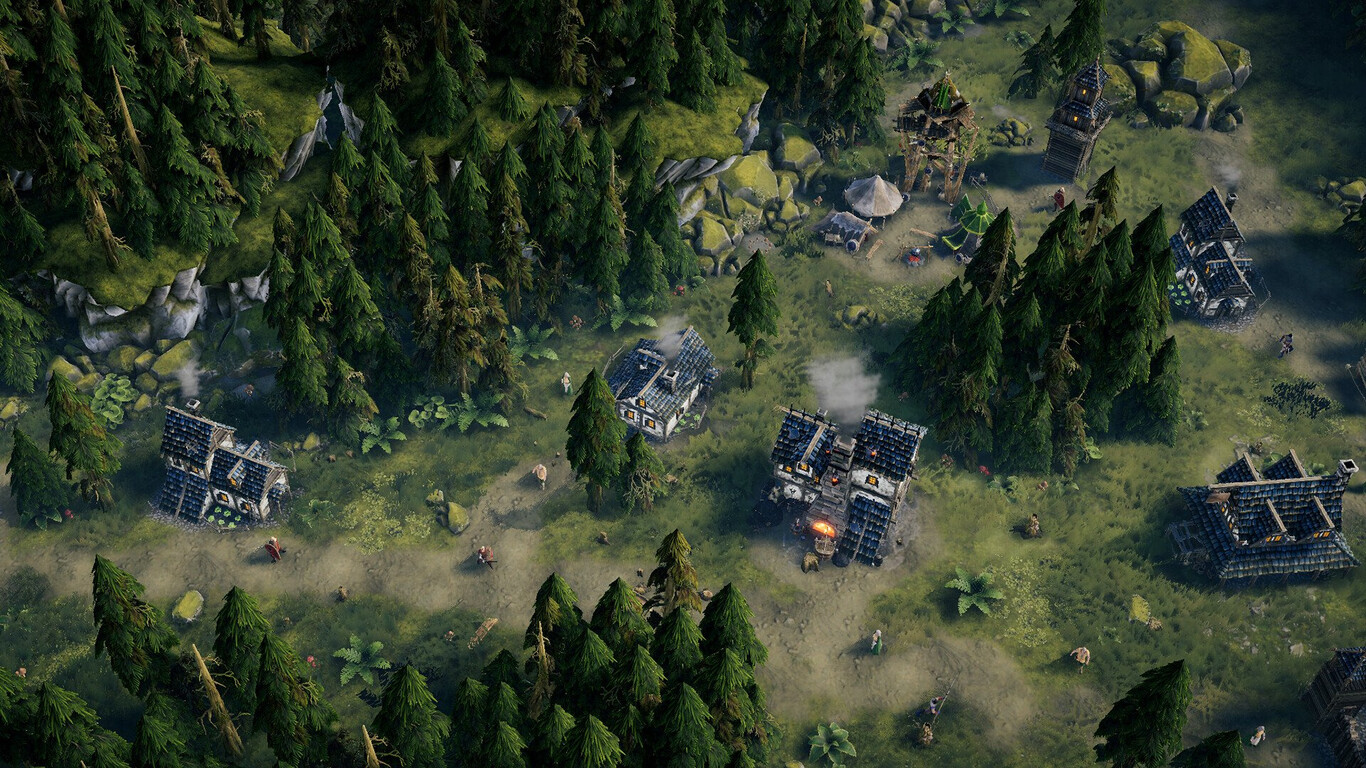
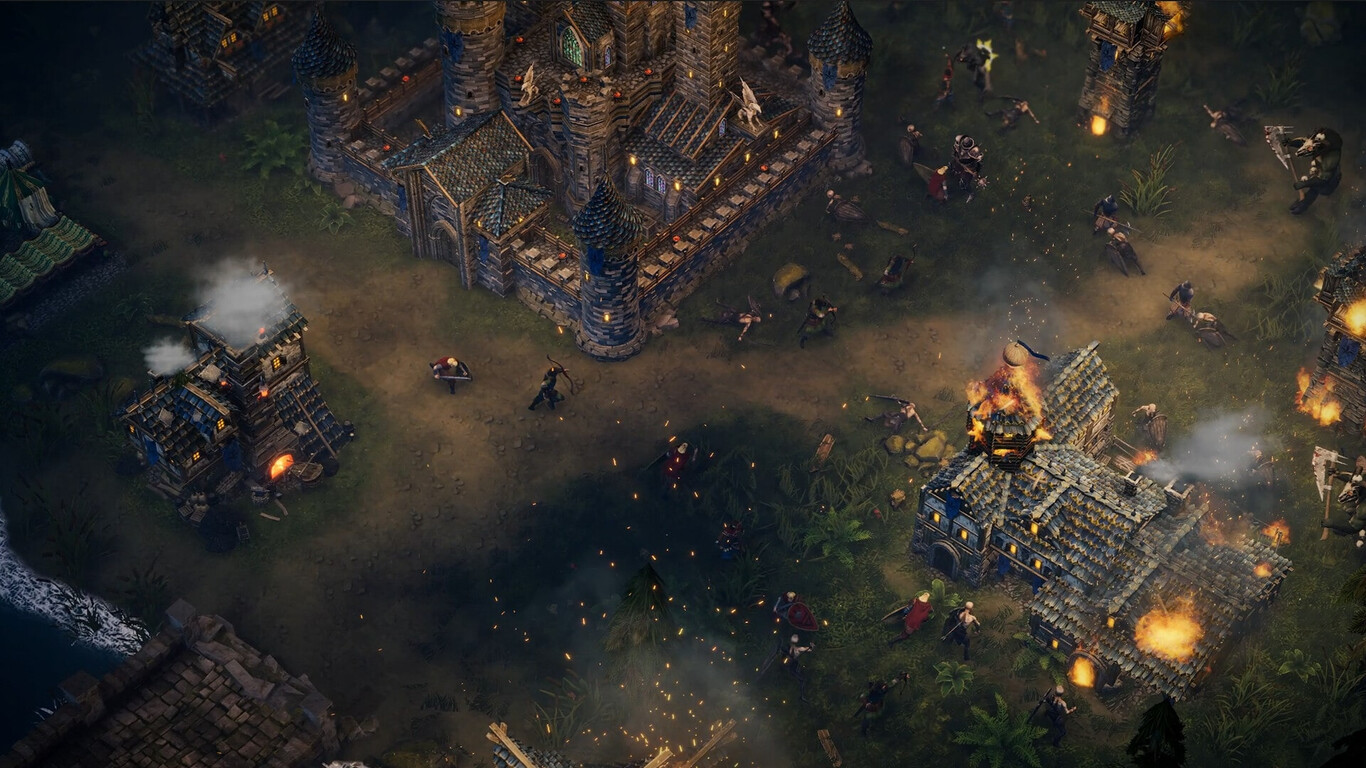
The city-building side does not look especially revolutionary at first glance. Taverns, guilds, blacksmiths, temples, defensive structures – the usual fantasy strategy toolkit is here, but you are not building for the same reasons you would in a traditional RTS. In Age of Empires, houses raise the population cap; here, infrastructure attracts, equips, heals, and motivates your heroes. The city is not just background scenery. It is a service hub, a lure, and a money-recycling machine at the same time. Building placement matters because heroes physically move through the map: they leave the guild, stop by the blacksmith, seek a blessing at the temple, and only then wander toward the battlefield. If your layout is chaotic, travel routes become longer, response times worsen, and efficiency drops. The system could have been pushed further, because the city-planning layer does not always match the strength of the hero behavior concept, but it still serves the central idea well.
That does not mean Crown of Greed will be comfortable for everyone. The lack of direct control can be infuriating for strategy players, especially for those coming from StarCraft, Warcraft, or Age of Empires, where every unit is expected to react instantly. Here, you may see the problem clearly, know exactly what should be done, place the reward, and still watch your heroes behave in a way that does not match your plan. The AI’s whim is partly intentional, because that is where the game gets its personality, but at times it feels less like character logic and more like plain erratic behavior. That is also the game’s biggest risk: what one player sees as a fresh, living, funny system, another may experience as loss of control and strategic masochism.
That is why Crown of Greed may struggle to fit into what Steam players usually expect from a strategy game. It did not launch as an early access promise, but as a full release available since March 31, so this is not a case where the real shape of the game will only become clear months later. It has rough edges, and indirect control will remain divisive, but at least it has an identity. This is not a sterile RTS clone designed to play things safe and reheat a twenty-year-old recipe with better lighting. Crown of Greed is stubborn, strange, sometimes genuinely annoying, and more interesting because of it. The arrogance of the concept alone makes it worth watching, because after 26 years, someone has finally returned to the design path that too many developers left gathering dust after Majesty.
Source: 3DJuegos












Leave a Reply