
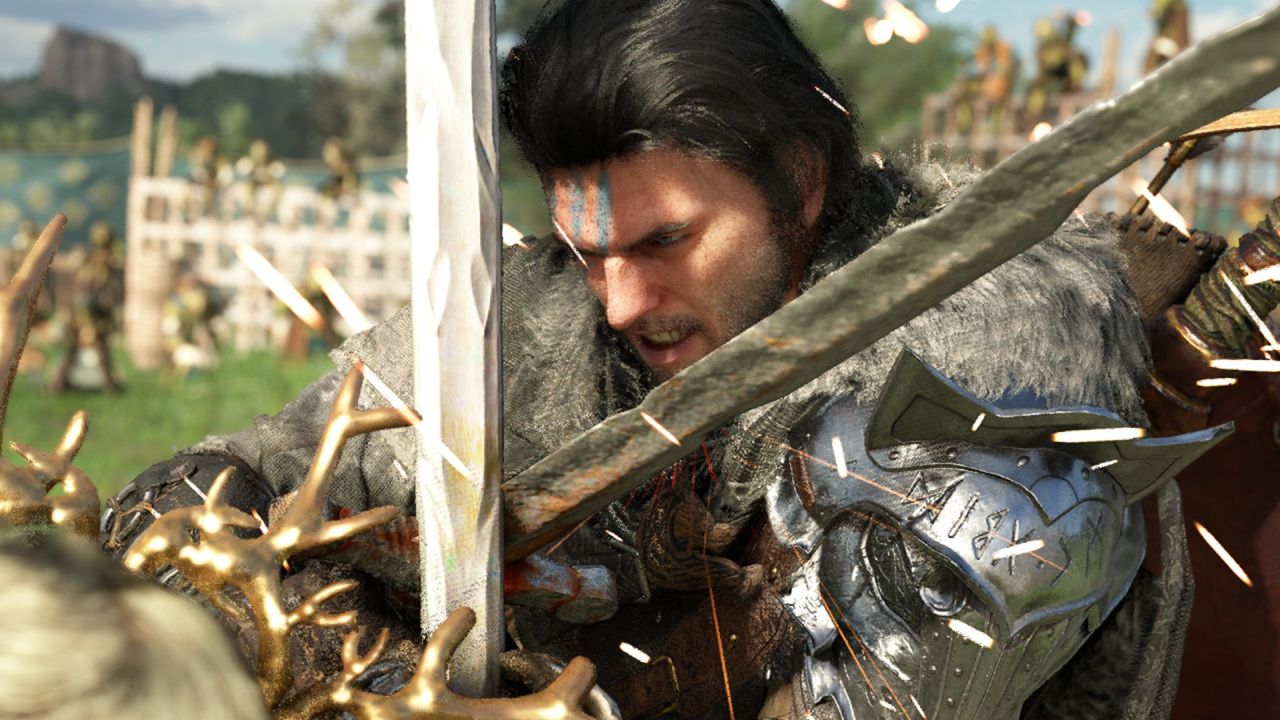
The studio behind the game has experience with how to keep up with user demands.
Crimson Desert is a single-player RPG, but based on the news surrounding it, it is easy to mistakenly think of it as a constantly updated MMO. The game has rapidly changed and added new features in response to player feedback. Although developer Pearl Abyss has been praised for skilfully realizing the single-player MMO concept, the studio’s marketing and PR director, Will Powers, told The Washington Post that this approach is standard practice for the team. Powers emphasized that the studio’s work on Black Desert prepared them for the fast, feedback-driven support that Crimson Desert is now receiving.
Although there is plenty to be said for realizing a unique vision, Crimson Desert has certainly made popular moves by listening to player wishes. People wanted a button to hide helmets, and they got one. Movement controls were somewhat clumsy at launch, but they were redesigned just a few weeks later, while the classic option was left in place for purists. Is the game too hard? Too easy? Either way, there is no need to worry, because plenty of new difficulty levels are coming soon.
Whatever the future vision for Crimson Desert may be, it is clear that the game’s community has been asked to take the wheel and steer the game. This may be normal for live-service games and MMOs, and there may be more radically democratic implementations than this, but it is still unusual for a single-player RPG to operate on this scale and with this intent. Perhaps this sense of partial ownership is what encourages the game’s community to feel so passionately about it.
“There was no official roadmap with set dates. Everything, from patches to content, has been iterated in real time based on feedback and response… If you bake in a roadmap, you’re making assumptions. We don’t presume to know what the players want. We don’t insist that only ideas from us can be in the game. I think other companies are often too ego-driven to accept other people’s ideas. It’s almost Silicon Valley-esque. A good idea can come from anywhere,” Powers said.
Perhaps the game’s success is hidden there as well.
Source: PCGamer, The Washington Post














Leave a Reply