
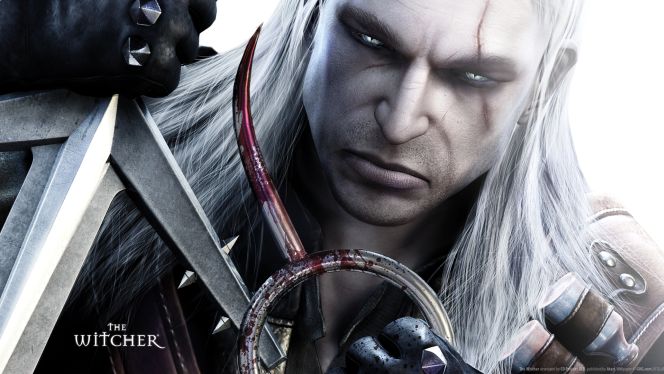
CD Projekt was already thinking about making its RPGs more social when it created the first The Witcher, and the 2007 debut was originally considered for a multiplayer mode. According to a member of the Polish studio, the idea really appeared in the game’s early documentation, though it never made it into the final product. That may have been fortunate: the first The Witcher was already a huge challenge for an inexperienced development team, and an online mode could easily have strained the project that later became the foundation of a massive franchise.
“What if…” scenarios are always fascinating in video games, and CD Projekt has now offered one of the more intriguing stories from its own past. The Polish studio was founded in the 1990s as a distributor and translator of international games in Poland, rather than as a major developer. Its real leap into active development came in 2007 with the release of the first The Witcher, an RPG that is now impossible to ignore when discussing modern European role-playing games. The series later became a global phenomenon with The Witcher 3: Wild Hunt, but at the beginning, nothing guaranteed that Geralt’s first interactive adventure would become the start of a huge franchise. In fact, one of the studio’s earliest ideas might have put that entire future at risk.
The surprising detail comes from Adrian Fulneczek, senior technical writer at CD Projekt RED, who spoke to GamesRadar+ about some of the original ideas behind the game. According to Fulneczek, the first The Witcher documentation included the possibility of a multiplayer mode for Geralt’s first adventure in games. “It didn’t happen, but it demonstrates the ambition of the project,” the developer said. At first, that sounds especially strange, because this was a team still new to full-scale game development, already taking an enormous risk with a complex, narrative-driven RPG. Adding an online component would not only have been technically demanding, but could also have changed the game’s structure, pace, and focus in a very different direction.
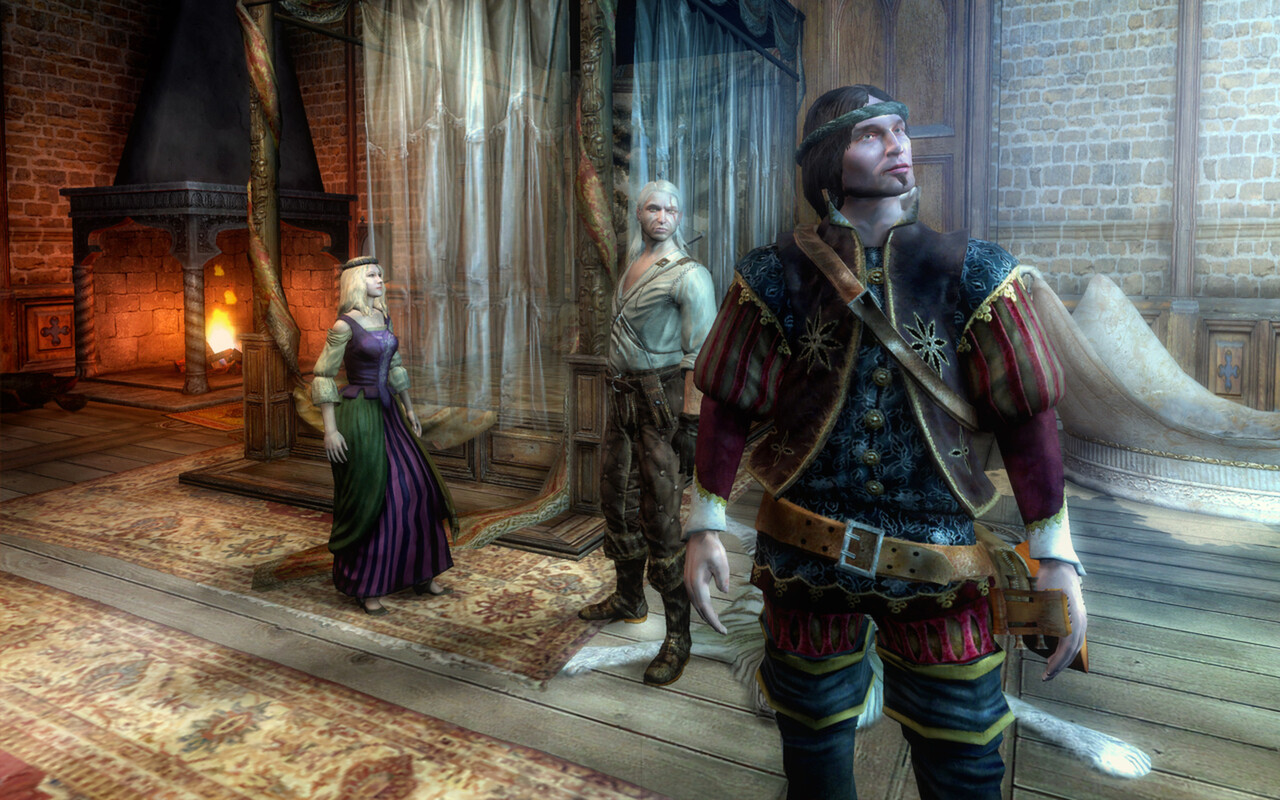
The Company’s “Holy Grail” Preserves Old Ideas
According to Fulneczek, this is not a later myth or a polished studio legend, but information contained in real documents from the project’s early development. CD Projekt treats the original documentation for the first The Witcher almost like the company’s internal Holy Grail. Those materials have been preserved in physical form, and the studio has since been reconstructing them digitally to help protect its own history. They reveal how many different ideas surrounded the project before the team eventually settled on the direction players know today.
Fulneczek explained the context by describing the early years of CD Projekt as a period in which a small team was building everything as it went along: processes, tools, workflows, design methods, and even the studio’s development culture. This was not an established role-playing giant with decades of production experience, but a company learning how to make a large RPG by making its first one. In that environment, a member of the original team suggested that the game could have an online focus. Fulneczek put it this way: “This notebook lists the features we wanted in that game, including a multiplayer mode, which didn’t happen.”
The ambition was real, but reality quickly set limits. The first The Witcher was already a complicated undertaking: it had an unusual combat system, a strongly narrative structure, moral choices, a huge amount of text, the pressure of adaptation, and a fantasy world that international players did not know nearly as well then as they do today. Adding a multiplayer system under those conditions would not have been a simple extra feature. It would have been a separate development front, bringing server and client-side technical risks, balancing problems, and an entirely new layer of testing. For a rookie RPG studio, that might have been too much.
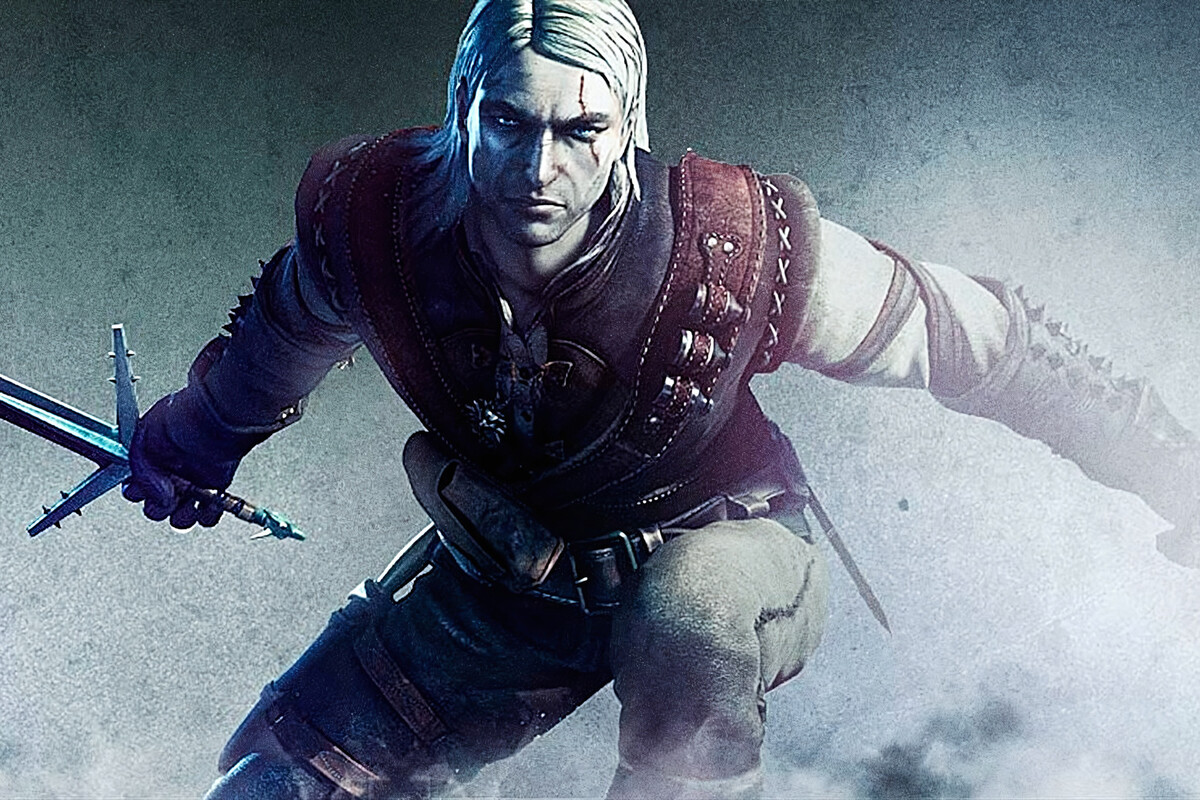
The First The Witcher Was Already Walking A Tightrope
The first The Witcher remains a strange, rough, but highly distinctive game. It is often described as an example of the so-called “Eurojank” phenomenon: an ambitious European project full of strong ideas, but also one that clearly shows its technical and presentation limits. Even so, CD Projekt used that game to lay the foundation for a series that became more confident, larger, and more polished with every later installment. The debut still had experimentation, unevenness, odd pacing, and awkward execution in places, but it also contained the elements that would later define the series’ strength: the atmosphere of the world, the weight of choices, Geralt’s identity, and a morally dirty fantasy setting that refused to divide its stories into simple heroes and villains.
That makes it especially interesting to imagine what might have happened if CD Projekt had actually tried to force multiplayer into the first The Witcher. The game’s technical condition might have become even more unstable. Its story-driven focus might have weakened. The project might have slipped, overspent, or demanded compromises that prevented Geralt’s first adventure from finding its own voice. The studio’s later trajectory depended on that debut RPG reaching players in a workable form. If online ambitions had broken the development apart, it is entirely possible that we would not be talking about The Witcher series in the same way today.
The story is also striking because CD Projekt never fully abandoned the desire to make its RPGs more social in some form. The studio became world-famous through large single-player role-playing games, but the idea of multiplayer, online, or social elements has returned around the company more than once over the years. Now we know that this was not a new impulse, but something already present in the early documentation of the first The Witcher. In the end, the 2007 game remained what most players remember: strange, harsh, uneven, but strongly defined as a single-player RPG. And perhaps that is exactly what saved it.
Source: 3DJuegos








![[TGA 2025] Diablo IV: Lord of Hatred: A Character Class Returns! [VIDEO]](https://thegeek.games/wp-content/uploads/2025/12/theGeek-diablo-4-expansion-2-lord-of-hatred-paladin-skovos-horadric-cube-302x180.jpg)



Leave a Reply