
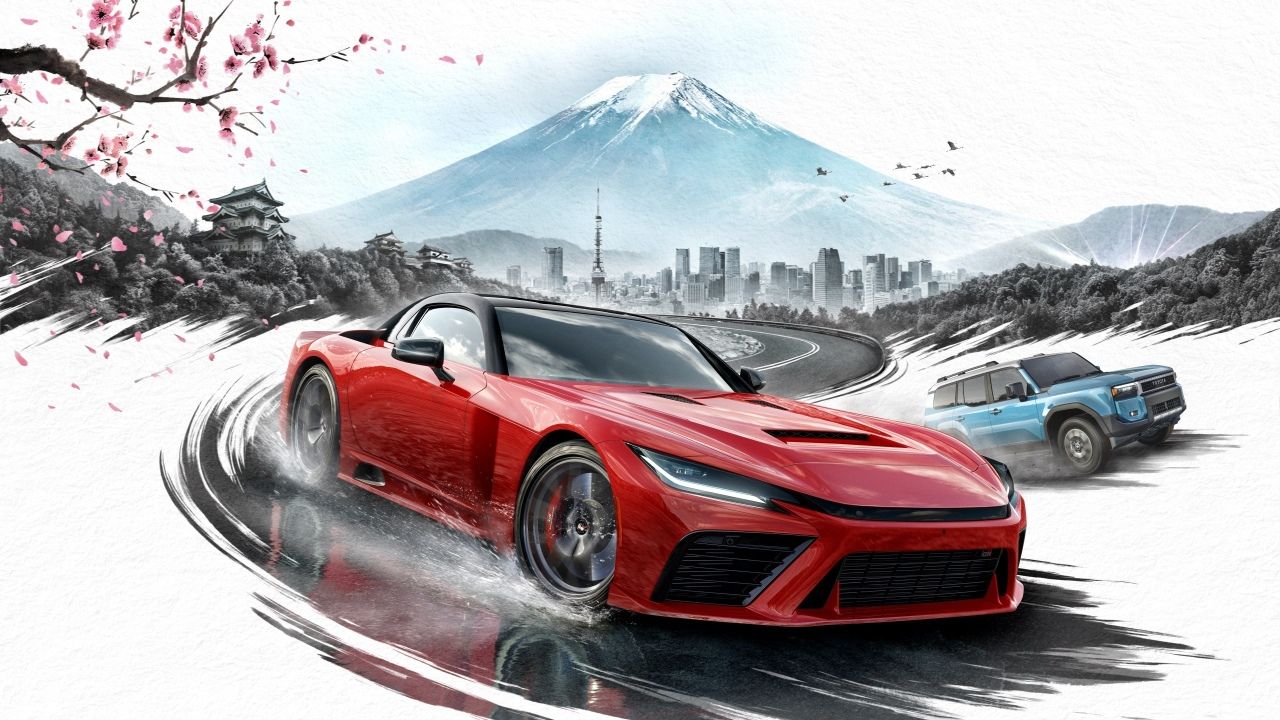
REVIEW – Forza Horizon 6 is the game fans have been asking for since the series first opened its festival gates in Colorado: take Horizon to Japan, and do not waste the setting. Playground Games clearly understood the pressure, because this is not a postcard version of Japan with a few neon signs and cherry blossoms taped to the scenery. This is the biggest, densest, most varied Horizon map yet, a spectacular open-world racer where Tokyo lights, snowy mountain roads, quiet villages, tight city streets, drift-friendly passes, and more than 550 cars come together in one AWESOME festival of speed.
The Forza Horizon series has always been about turning driving into freedom. Not motorsport discipline, not traffic law, not dry simulation, but freedom: the freedom to take a ridiculous car across a field, drift through a city at night, paint a supercar like a cereal box, and still feel as if the game is cheering rather than judging. Forza Horizon 6 finally brings that formula to Japan, the one destination fans have placed at the top of the wish list for years. That alone could have been a trap. Japan is easy to flatten into clichés. Playground Games avoids that by making the location feel like a proper driving world, not a tourism board slideshow.
Forza Horizon 6 launches with over 550 real-world cars, sends players through a campaign of discovery and festival racing, and begins with the player as a tourist who must earn their way into the Horizon Festival. The game launched on Xbox Series X|S and PC on May 19, 2026, with Premium Edition early access on May 15, while the PlayStation 5 version is planned for later in 2026. This is not just another safe sequel. It is Playground Games using the full weight of its experience and finally cashing in on the series’ most obvious dream setting.

Japan Finally Feels Like More Than a Postcard
The greatest achievement here is that Japan is not just scenery. It is a track, a playground, a mood machine, and a cultural engine for the entire game. The map feels much larger and denser than Mexico in Forza Horizon 5, but the more important improvement is how naturally it flows. Previous Horizon maps sometimes felt as if different biomes had been placed side by side: here is the desert, there is the jungle, over there are the mountains, now please enjoy the transition. Forza Horizon 6 feels more organic. Villages, cities, mountains, industrial areas, highways, snowbanks, and neon streets belong to the same space rather than separate display cases.
More than 670 short and long road sections curl through this virtual Japan, and that density matters. In Mexico, cutting across fields and flattening half the plant life was often the fastest and most tempting way to travel. Here, the roads themselves are often more exciting than the shortcut. Tokyo is tight and alive, the mountain roads invite dangerous confidence, the snowy areas change the rhythm, and the quieter rural sections give the game room to breathe between visual fireworks.
The driving remains that familiar Horizon balance between accessibility and depth. Anyone can jump in, take a beautiful car, hit the road, and feel competent within minutes. Yet the tuning systems, vehicle classes, surfaces, and event types still give dedicated players enough to work with. It is not a sim, and it does not pretend to be one, but it respects the pleasure of driving. That is the crucial part: Forza Horizon 6 does not merely give you a map full of icons. It gives you reasons to stay on the road between them.
Japan also gives the formula a stronger sense of identity. Street racing, drifting, mountain passes, car meets, garages, customization, and urban routes all feel naturally connected here. Playground Games has not made a documentary, and this is clearly a compressed festival version of the country, but the fantasy works. The result is a map that constantly whispers the same dangerous sentence: do not fast travel, drive there.

Neon, Rain, Paintwork, and a Console That Works Hard
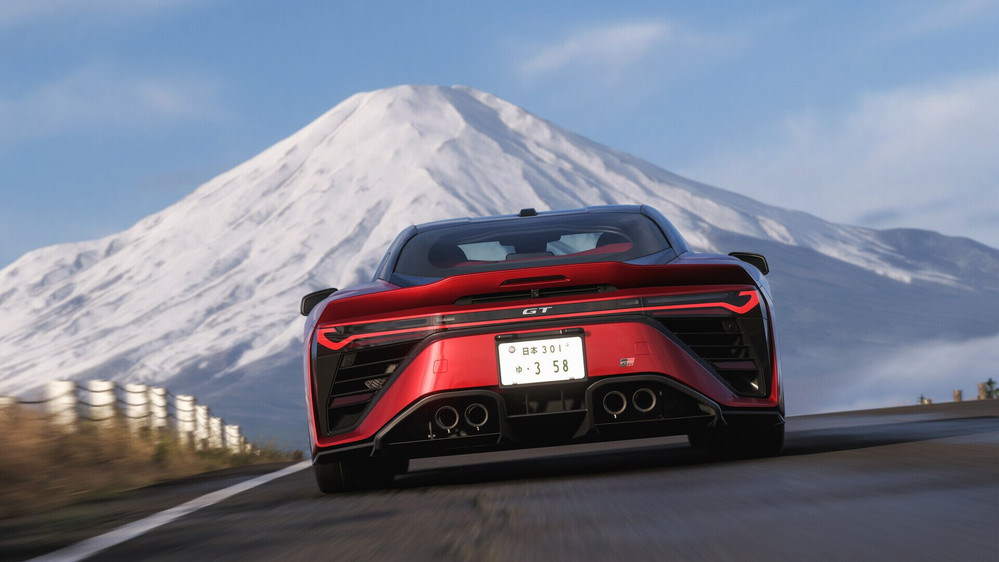
Forza Horizon 6 looks magnificent. This is not just a matter of sharp car models and expensive reflections. The whole image has rhythm, atmosphere, and confidence. Tokyo in the rain, with neon sliding across wet asphalt and car paint, can look so good that the player almost crashes while looking for the photo mode button. Rural roads work differently, less loud but often just as effective. Snowy mountain sections are not just pretty background art; they change how the road feels, how the car moves, and how much nerve the player needs before throwing the vehicle into another bend.
On Xbox Series X, the optimization appears especially impressive, which matters enormously in a game built around speed and spectacle. PC still shows some stuttering, even against AI drivers, while the console version holds up better. A Horizon game cannot afford to break the illusion of motion too often. When the frame pacing coughs, the festival loses some of its magic. On console, Playground has managed to squeeze a great deal out of the hardware, even if the machine itself clearly has to work for it.
The cars are beautifully reproduced, and the game again understands that vehicles in Horizon are not only tools, but characters. The way light moves across paint, the detail on bodywork, the sense of weight in motion, and the obsessive garage presentation all feed the same fantasy. A small Mazda can become a personal favourite; a supercar can become a neon weapon; an offroad beast can become the key to reaching some absurd challenge on the other side of the map. The game makes collecting feel meaningful because the world gives every type of car a reason to exist.
The one area that does not quite reach the same level is engine sound. It is not bad, but several cars sound a little flatter than they should. In a game this visually rich, a weaker engine note stands out more than it would elsewhere. The soundtrack, ambient audio, festival noise, and environmental details all work, but some vehicles lack that raw, physical anger that makes a great car unforgettable before it even moves. It is not a major failure, but it is one of the few places where the game feels slightly less alive than it looks.
Progression Finally Has a Proper Road
The progression system is one of the most welcome improvements. Forza Horizon 5 sometimes felt like an overexcited relative throwing every present at you before you had even taken your coat off. Rewards arrived constantly, fast cars came early, and while that made the game generous, it also weakened the sense of earning your place. Forza Horizon 6 is smarter. You begin as a tourist, prove yourself through events, earn festival passes, unlock new opportunities, and gradually reach faster, more serious machinery. For Horizon, that structure makes a huge difference.
This is still not a severe career mode, nor does it suddenly become a dramatic motorsport climb. It remains light, colourful, and festival-driven. But it now has better rhythm. Starting with slower cars feels like a journey rather than a restriction. The game lets the player learn the roads, the surfaces, the map, and the event structure before opening the floodgates. That gives the whole campaign a stronger spine than previous entries, and it makes the eventual arrival of faster cars feel more satisfying.
The world is still packed with Horizon distractions. There are road races, dirt events, offroad competitions, signs to smash, regional mascots to find, story-driven activities, Japanese car culture showcases, drift tests, speed challenges, cornering events, hidden garages, and all the other small hooks that make these games so dangerously addictive. The food delivery jobs are a particularly funny addition, almost like a Grand Theft Auto side job filtered through Horizon’s permanently cheerful personality. You start with one goal and, two hours later, realize you never actually reached it.
Creativity is also pushed further. Car decals, designs, houses, and garages return with more flexibility, while The Estate becomes the biggest new toy. This enormous property lets players build tracks, ramps, obstacle courses, and all kinds of ridiculous creations. The building system is not as intuitive as it should be, and some players will bounce off it quickly, but the potential is obvious. Once the most dedicated community creators get their hands on it, The Estate could become one of the game’s longest-lasting features.
The Festival Was Worth the Wait
Forza Horizon 6 is not great because it reinvents the whole series. The formula remains familiar: open world, races, cars, collectibles, events, rewards, spectacle, and festival energy. What makes this entry special is that almost every piece lands in the right place. Japan is not only the destination fans wanted, but the setting that gives the whole formula fresh momentum. The map is denser, the roads are better, the progression has more purpose, and the world constantly makes driving feel better than teleporting.
The flaws are real but small in context. Engine sounds could be stronger, PC performance needs polish, The Estate building tools could be smoother, and the story remains little more than light festival decoration. None of that seriously damages the experience. These are small stones on a road that otherwise carries the game at frightening speed through Tokyo, up mountain passes, across rural roads, into drift zones, and back toward another event that was supposed to be the last one of the night.
Playground Games has come extremely close to making the definitive Forza Horizon. Japan feels alive, the cars look stunning, the map is enormous and dense, the driving is easy to love without becoming empty, and the amount of content is absurd in the best possible way. Forza Horizon 6 can grab players who do not care about cars and still keep the obsessives busy tuning, painting, collecting, and building for triple-digit hours. It is the most ambitious, mature, and beautiful game in the series so far. Japan was not just worth the wait. It may have been exactly what Horizon was always driving toward.
-Gergely Herpai „BadSector”-
Pro
+ A huge, dense, brilliantly varied Japan map
+ Stunning visuals and superb festival atmosphere
+ Progression feels much more meaningful this time
Against
– Some engine sounds feel slightly flat
– PC performance may need extra polish
– The Estate building tools could be more intuitive
Publisher: Xbox Game Studios
Developer: Playground Games
Genre: open-world arcade racing
Release Date: May 19, 2026
Forza Horizon 6
Gameplay - 9.4
Graphics - 9.6
Driving Experience - 9.5
Music/audio - 8.8
Ambience - 9.5
9.4
AWESOME
Forza Horizon 6 is the most ambitious entry in the series, finally taking the festival to Japan and making superb use of the setting. The map is massive, beautiful, dense, and packed with things to do, while the driving remains instantly enjoyable. Despite a few minor flaws, this is an awesome racing celebration that can easily consume hundreds of hours.













Leave a Reply