
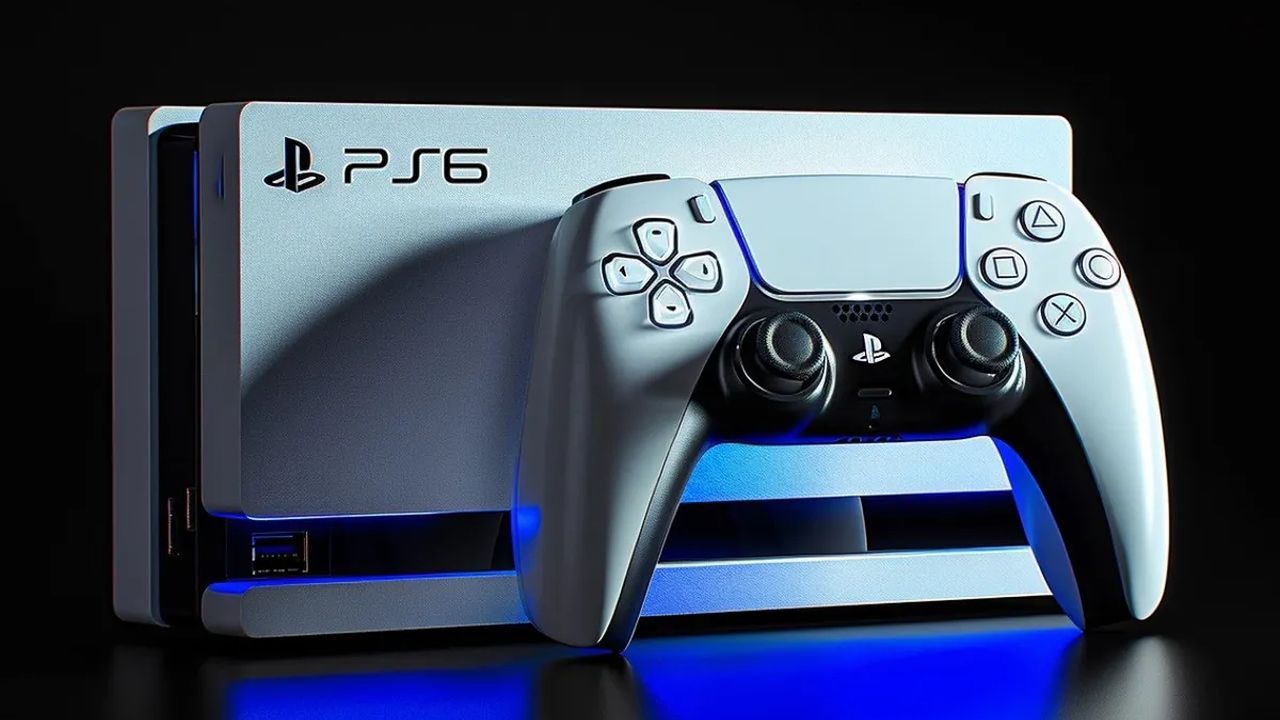
A new industry report suggests that Sony could push the launch of the PlayStation 6 into 2028 or even 2029, as the console business faces pressure from tariff uncertainty, AI-driven memory price increases, and wider hardware supply problems. The next generation may therefore arrive much later than many players expected.
The next console generation may not arrive as quickly as earlier cycles suggested. According to the latest annual report from Embracer Group, some analysts believe Sony is now considering delaying the debut of its next PlayStation console, the PlayStation 6, from 2027 to 2028, or in a more extreme scenario, even 2029. That would be a major shift, especially since the PlayStation 5 launched in 2020 and the current generation will be approaching eight years old by the end of this year.
The report is not interesting merely as another industry rumor, but also because Embracer Group is one of the major forces in the games business, with dozens of studios under its umbrella. Its portfolio includes names such as THQ Nordic, Crystal Dynamics, and Eidos, so when a company of that size includes discussion of a possible delay to the next console generation in its annual material, it goes beyond the usual message-board speculation.
The possible delay appears to be driven mainly by economic and manufacturing pressures. Uncertainty around US tariffs, combined with the AI boom’s massive demand for memory, has pushed RAM and other key component prices higher. That directly affects consoles: if manufacturing costs remain elevated, Sony would either have to sell the machine at a higher price or accept a larger loss on each unit. Neither option is especially appealing, particularly in a market where consumers are already feeling the pressure of rising hardware prices.
The previous generation, led by the PlayStation 4 and Xbox One, lasted roughly seven years before giving way to new systems, which is why many expected the next major transition around 2027. This time, however, the situation is different. The PlayStation 5 generation was disrupted by the pandemic period, component shortages, and a slower transition than usual, while the PlayStation 5 Pro may also extend the current hardware cycle. If the PlayStation 6 really slips to 2028 or 2029, this could become one of the longest modern PlayStation generations.
The situation is also complicated for developers. A new console generation usually brings fresh technology targets, new optimization opportunities, and a renewed market push, but if the hardware transition is delayed, studios will have to keep serving the current systems for longer. That could benefit players in the short term, since the PlayStation 5 would remain a central platform for years, but it could also slow the real generational shift, especially for games that are already pushing current hardware to its limits.
For now, there is no official Sony announcement on the exact timing of the PlayStation 6, so the 2028 or 2029 window remains based on industry reports and analyst expectations. What is becoming clearer, however, is that the next console generation will not be shaped by technology alone. The fate of the PS6 may depend as much on AI data centers’ appetite for memory, global trade uncertainty, and rising manufacturing costs as on whether players are ready to spend several hundred dollars or euros on a new machine again.
Source: Gfinity Esports











Leave a Reply