MOVIE NEWS – One of YouTube’s biggest analog-horror phenomena is officially heading to theaters with Steven Spielberg among the producers. The Mandela Catalogue will open on June 9, 2028, with original creator Alex Kister directing the adaptation as Amblin Entertainment, Amazon MGM, and United Artists attempt to turn another viral online nightmare into a major theatrical thriller.
Hollywood did not need much time to react after Backrooms became one of the summer’s breakout theatrical successes. Studios are increasingly looking toward internet-born horror properties with enormous built-in younger audiences, and The Mandela Catalogue has emerged as one of the most valuable examples still available for adaptation. Steven Spielberg’s Amblin Entertainment teamed with Amazon MGM and United Artists to secure the rights, and the companies are treating the project as a genuine theatrical release rather than a streaming experiment. Deadline now reports that the film will reach U.S. theaters on June 9, 2028.
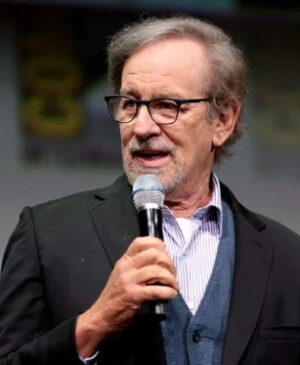
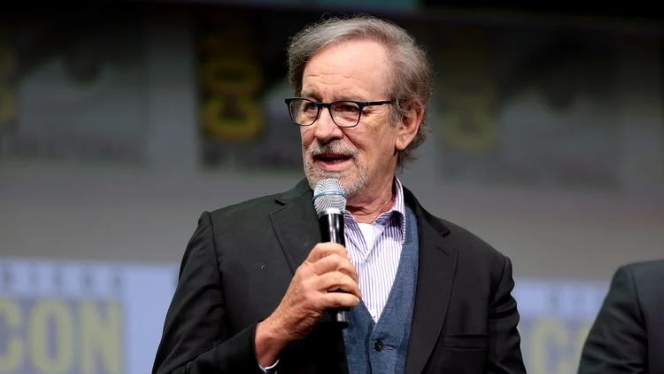
Alex Kister, who created the original web series in 2021, will direct the movie himself and co-wrote the screenplay with Tyler Clifton. Spielberg and Holly Bario are producing through Amblin Entertainment, joined by Aaron B. Koontz of Paper Street Pictures and United Artists producers Stuber and Nick Nesbitt. Keeping Kister behind the camera is a significant choice because the adaptation will retain direct creative involvement from the person who established the property’s tone, mythology, and unsettling visual language in the first place.
A Viral Analog-Horror Phenomenon Is Becoming a Feature Thriller
The Mandela Catalogue takes place in the fictional Mandela County, Wisconsin, where humanity is confronted by entities known as Alternates. These nearly immortal, shape-shifting creatures can imitate human beings, while the series builds much of its horror through distorted imagery, faux archival material, psychological unease, and a steadily escalating sense that familiar people can no longer be trusted. That distinctive approach helped Kister’s work grow far beyond a niche web project. The official episodes alone have accumulated more than 100 million views, making it one of YouTube’s most successful original analog-horror franchises.
The value of that audience was apparently obvious throughout Hollywood. According to the report, eleven other studios competed for the screen rights before Amblin, Amazon MGM, and United Artists prevailed. The enormous performance of Backrooms has only strengthened the industry’s interest in properties that already resonate with Gen Z viewers online. That movie earned $394.1 million worldwide and finished ahead of several much larger tentpoles, including The Mandalorian & Grogu, Moana, and Supergirl, demonstrating that an internet horror concept can compete far beyond traditional genre expectations.
The June 9 release date also places The Mandela Catalogue in a busy stretch of the 2028 calendar. An untitled Universal Pictures project is currently the only other movie scheduled for that exact day, but Days of Thunder 2, starring Tom Cruise and Anne Hathaway, arrives one week earlier. Pixar’s The Incredibles 3 follows on June 16. In another era, positioning a comparatively modest horror movie between major studio releases might have looked reckless, but Backrooms gave studios a powerful recent example of younger horror audiences turning an unconventional property into a genuine box-office event.
Spielberg Is Building a Busy Producing Slate Beyond His Own Directing Work
Spielberg is coming off Disclosure Day, which finished as the tenth highest-grossing movie of the summer with $241 million worldwide and will begin streaming on Peacock on October 9. There is still no announced release date for his next directorial project, but his producing schedule is already crowded. He is attached to produce Gremlins 3, currently dated for November 19, 2027, and is also expected to remain involved in the long-awaited follow-up to 2011’s The Adventures of Tintin, which Peter Jackson is developing.
The Mandela Catalogue is a particularly interesting addition to that slate because it comes from a form of horror storytelling that developed far outside the traditional Hollywood pipeline. Rather than replacing its creator with an established studio filmmaker, the producers are allowing Kister to translate his own material into feature form, potentially preserving the qualities that made the original so unsettling. If that transition works, the film could become another sign that the next major horror franchise does not necessarily need to begin as a novel, comic book, or decades-old movie property. It may already be sitting on YouTube with millions of viewers waiting for it.
Source: MovieWeb