
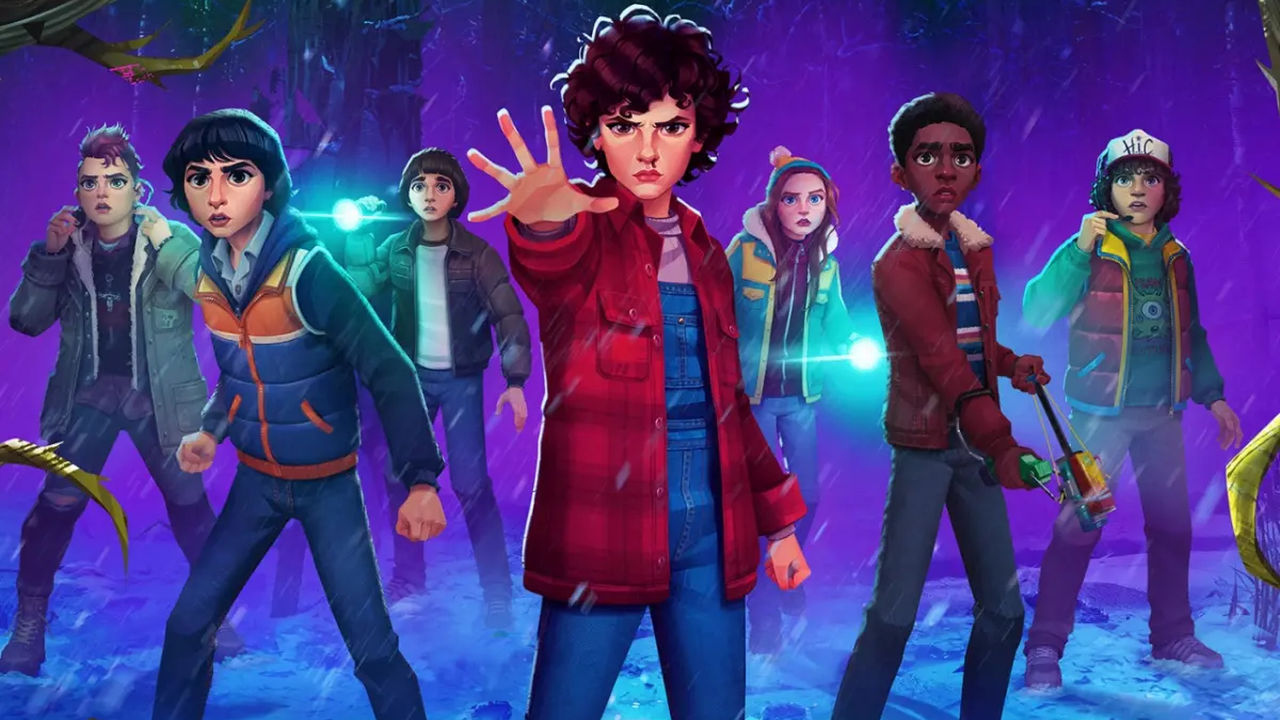
MOVIE NEWS – The ending of Stranger Things Season 5 was always going to divide people. After years of monsters, friendship, first love, death, alternate dimensions, and countless rounds of Dungeons & Dragons, there was simply no realistic version of the finale that would leave every viewer satisfied. That is exactly why Stranger Things: Tales From ’85 has become so interesting so quickly, because the animated spin-off does more than revisit Hawkins in the middle years. It also reframes Eleven’s story in a way that makes the original ending feel more coherent, and maybe more inevitable.
All 10 episodes of the animated series arrived on Netflix on April 23, 2026, and the story is set between Seasons 2 and 3 of the main show. The Party is still in Hawkins, Indiana, now facing new creatures like Snow Snarks, the Vine Dog, and the Gourd Horde, along with a new character named Nikki Baxter. But for all the new monsters and side plots, the most important thread may be the one involving Eleven and Hopper. That relationship becomes the emotional core of the spin-off and the lens through which the controversial ending of Season 5 starts to look less like a shock and more like the only ending that ever really made sense.
The first episode, Welcome to Hawkins, New Kid, takes place in the winter of 1985 and shows Eleven and Hopper living together in a small, hidden cabin. Hopper immediately leans into his overprotective role, setting strict rules, keeping Eleven out of school, and trying to stop her from running off with her friends. That all fits with what viewers already knew from the earlier seasons, but the spin-off intensifies the emotional logic behind it. Eleven is not just another teenager in danger. Her friends may fear monsters, but she is constantly being hunted by the government and by the legacy of Dr. Martin Brenner. The threat around her is permanent in a way it is not for the others.
The Spin-Off Quietly Suggests That Eleven’s Fate May Always Have Been Heading in One Direction
One of the smartest choices the show makes is refusing to turn Eleven into a cliché rebellious teenager. Yes, she sneaks out, helps her friends fight the new creatures, and spends time with Mike Wheeler, but she is not presented as selfish or resentful. Instead, the series portrays her as kind, curious, and still trying to hold onto whatever fragments of ordinary life she can reach. Most importantly, she does not hate Hopper. She seems to understand that his fear comes from love, which makes their dynamic far more moving and far more tragic.
That is what makes the spin-off so effective as a kind of retroactive emotional repair job for Season 5. Fans have argued endlessly about what the ending actually meant. Did Eleven die? Did she leave and start over somewhere else? Will she ever see Mike, Hopper, or the rest of the group again? Tales From ’85 does not answer those questions directly, but it strongly supports the idea that Eleven leaving Hawkins was always the only plausible endgame. Her friends still approach danger partly through the lens of adventure. Eleven never can. For her, the threat is too personal, too relentless, and too tied to everything that was stolen from her life before the story even began.
The show reinforces that with smaller moments that hit harder than they first seem. In Episode 3, Eleven tries cheese fries for the first time, which is funny for a second and then quietly devastating because it reminds you how little normal life she was ever allowed to have. In Episode 6, she says she is not normal and has never had birthday parties. Nikki comforts her by saying that no one should want to be normal anyway, which is sweet, but it also drives home the deeper point: Eleven has never truly belonged to the same world as her friends. Seen that way, the spin-off is not really undoing the Season 5 ending. It is making the case that there was probably never another ending available to her at all.
Source: MovieWeb














Leave a Reply