
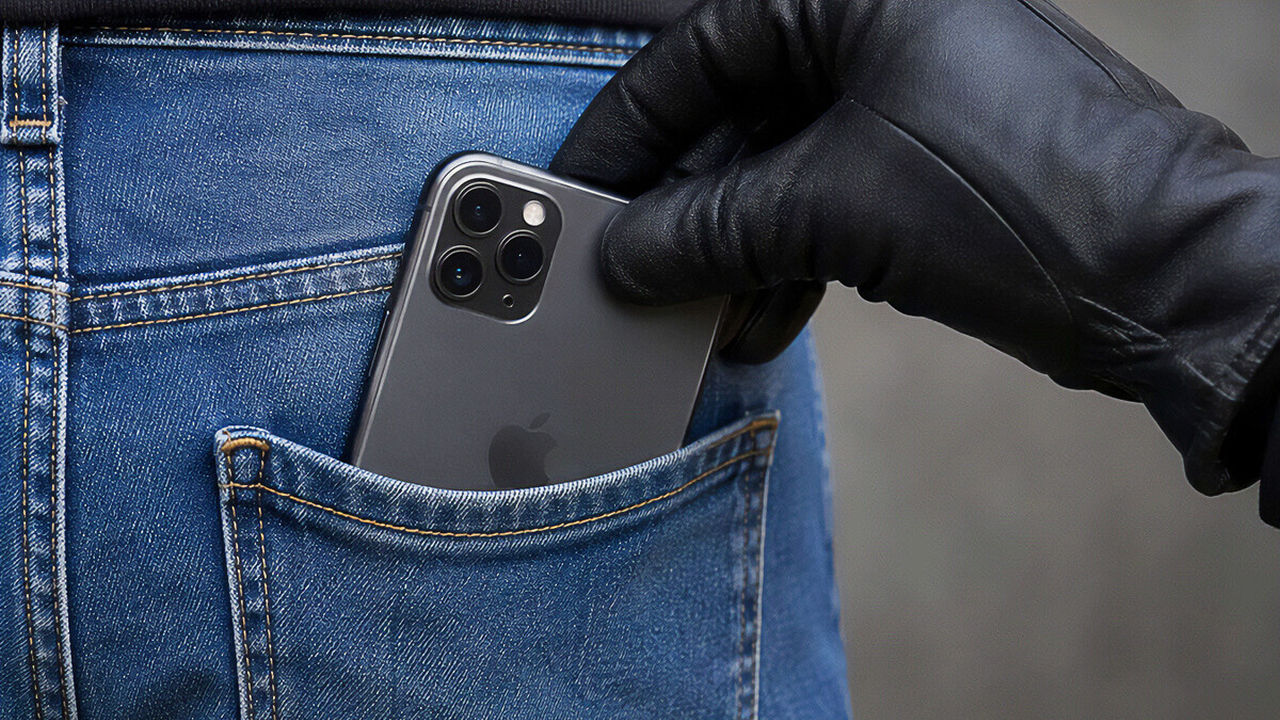
Apple is working on a new iPhone security feature that could automatically lock the device when the system detects that it has been snatched from its owner’s hand. Code found by 9to5Mac suggests that the feature may rely on motion sensors, the proximity of a paired Apple Watch, and the existing Stolen Device Protection system.
The iPhone has been one of the world’s most desirable smartphones for years, which also makes it a prime target for thieves. Apple already uses several layers of protection to make stolen devices harder to exploit, from Find My and Activation Lock to Face ID, Touch ID, Stolen Device Protection and remote locking tools. Those protections work in many situations, but there is one especially dangerous moment: when a thief grabs the phone while it is already unlocked in the user’s hand.
In that situation, even a few seconds can be enough to access sensitive apps, messages, passwords, payment data or personal documents. According to 9to5Mac, Apple is now trying to close exactly that window with a new theft-detection feature. The system would use sensor data to recognize when an iPhone has been forcefully snatched from the user’s hand, then automatically lock the device. This would not be damage control after the theft. It would be protection that reacts at the moment of the theft itself.
The iPhone Could Read the Movement and the Apple Watch Distance
Based on the code references, the new feature could combine several signals to decide whether a theft has occurred. One of the key elements would be the accelerometer, which can detect a sudden yank, unusual movement or a motion pattern that looks more like someone running away than normal use. The system could also monitor how far the phone moves away from a paired Apple Watch, which is likely to remain on the owner’s wrist.
That matters because a sudden movement alone does not prove theft. A user could be running, gripping the phone awkwardly or quickly putting it away. But if the iPhone detects a strong yank, abnormal motion and sudden separation from the paired Apple Watch at the same time, the situation becomes much more suspicious. According to 9to5Mac, the feature may follow a similar idea to Android’s Theft Detection Lock, but implemented inside Apple’s own ecosystem.
The new protection would likely sit alongside Stolen Device Protection. That existing feature already adds extra security when the iPhone is away from familiar locations such as home or work. In those cases, certain sensitive actions require biometric authentication, and some changes trigger a security delay, including changes to the Apple Account password. The new automatic lock would be a more aggressive first response: instead of waiting for the owner to act remotely later, the phone could lock immediately when the system detects a likely snatching attempt.
Apple Has Not Announced It Officially Yet
The important caveat is that Apple has not officially announced this anti-snatching feature. According to 9to5Mac, the code references point to a feature under development, but that does not automatically mean it will arrive soon, everywhere or in exactly this form. Apple often tests features in firmware or beta builds that later change, get delayed or appear in a later system release.
The timing is still notable. Apple will open WWDC26 on June 8, where the company traditionally presents its next major software updates. If the feature is close to public release, it could become part of the next major iOS cycle, or at least appear later as a security update. Until then, it should be treated not as a finished public feature, but as a development direction identified through leaked code references.
If Apple does launch it, the new system will not make the iPhone impossible to steal, but it could take crucial seconds away from the thief. With an unlocked phone, those seconds matter: they can decide whether someone has time to open a banking app, read messages, disable a protection or pass the device on. The point of this development is therefore not spectacle. It is practical security: the iPhone would not passively wait for remote action from the owner, but would try to recognize trouble by itself and lock down the attack surface.
Source: 3DJuegos, 9to5Mac, Apple Support, Apple Newsroom







![The System Requirements for Fable Are In! [VIDEO]](https://thegeek.games/wp-content/uploads/2026/08/vnews-05-fable-1280x720-1-302x180.png)







Leave a Reply