
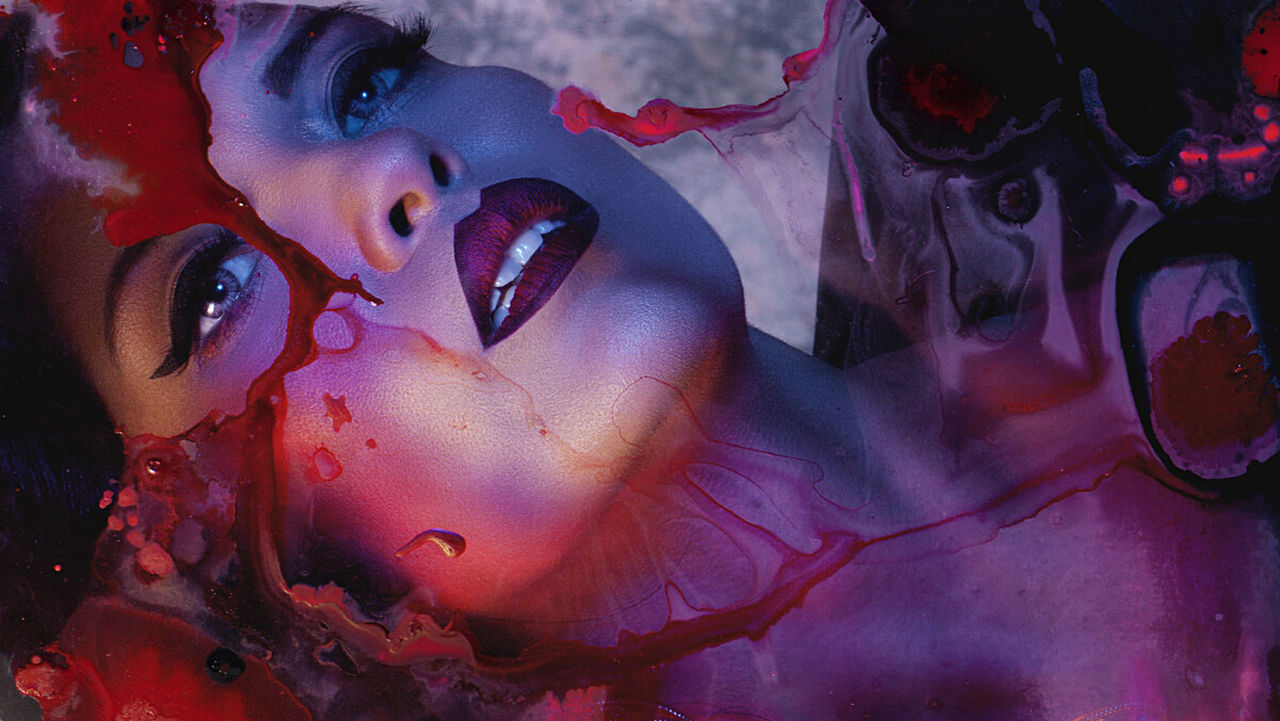
White Wolf is putting the world of Vampire: The Masquerade back in motion, but this is not a new video game announcement. The studio is working on a mysterious tabletop role-playing project intended as a love letter to more than 30 years of vampire legacy. Its most interesting promise is especially pointed in 2026: the new direction will be built around human illustrators, community feedback, and classic role-playing foundations instead of generative AI.
“White Wolf is back, and we’re designing something new.” With that line, the company formerly known as World of Darkness signaled a new project set in the Vampire: The Masquerade universe. The details remain deliberately vague, but the direction is already clear enough: this is not a video game reveal, but a development tied to the TTRPG side of the franchise. The studio, now under Paradox Interactive, is not simply dropping another product name onto the table. For months, it has been watching fan chronicles, Discord, Reddit, and Tumblr discussions, house rules, letters, and the feedback that shows what players feel has been lost, what still matters, and what keeps Vampire: The Masquerade alive after all these years.
The announcement drew attention quickly because White Wolf is not leaning only on nostalgia. It names several pressure points directly: the bond between lore and mechanics, the relationship between rules and narrative, player freedom, collaboration, and the need for the experience to feel personal. Those are not empty slogans for a role-playing game whose power has always come from vampire clan politics, personal horror, social intrigue, and player-made chronicles locking into the same dark system. When that connection breaks, Vampire: The Masquerade becomes scenery. When it works, it becomes the uncomfortable, elegant, and sharply personal game that keeps people coming back after three decades.
This Looks Like a New Tabletop Direction, Not a Video Game
White Wolf is choosing its words carefully, but the community has already noticed that everything points toward tabletop material rather than a digital game. The named creative team supports that reading. Jess Lanzillo is working as creative director, Martyna “Outstar” Zych as creative producer, and Diogo Nogueira as lead designer. Nogueira’s involvement is particularly interesting because of his connection to the OSR, or Old School Renaissance, a movement built around reinterpreting the freedom, danger, and structure of tabletop role-playing from the 1970s and 1980s.
That does not necessarily mean Vampire: The Masquerade is running backward into the past. It suggests something more specific: this project may not want to become a sterile, over-engineered, digitally minded structure. It may be taking the table seriously again, with all the tension between storyteller and players, all the house-rule messiness, all the strange flexibility that made classic role-playing work in the first place. For Vampire: The Masquerade, that matters. The game is often at its strongest when the system does not close every door in advance, and players still have room to make their own political, moral, and blood-soaked decisions.
The studio describes the new project as a “love letter” to more than 30 years of vampire history. That could have been a comfortable marketing phrase, but the surrounding signals make it more substantial. White Wolf says it wants the fan voice to matter to the future, not just to be acknowledged politely and then ignored. Players have spent years arguing about what makes Vampire: The Masquerade work, how much should be preserved, where the old structures still hold, and where the system needs a sharper cut. Those arguments now appear to be feeding the design rather than merely surrounding it from the outside.
The other major promise concerns human creative work. White Wolf explicitly rejects the use of generative AI in the project’s design, while the art direction is being built around illustration and human-made work. In 2026, that is not a tiny footnote. The tabletop market has been arguing intensely about AI use, especially when it touches illustration, book design, visual identity, and worldbuilding. Wizards of the Coast and Hasbro have repeatedly faced pushback around AI-related issues involving Dungeons & Dragons and Magic: The Gathering. White Wolf is taking the opposite position here: the next major step for Vampire: The Masquerade will not be assembled from machine-generated sludge.
The Metaplot May Decide How Strong This Return Really Is
One of the most important parts of the announcement is the metaplot. Vampire: The Masquerade has always been more than a rulebook line: official campaigns, supplements, and setting material have continually shaped vampire society, clan politics, major events, and the wider branches of the World of Darkness. That has given the setting weight, but it has also created friction. Many players like the feeling that their own chronicles exist inside a larger, moving dark universe. Others have criticized the metaplot for growing too large, becoming too controlling, or not always carrying the World of Darkness legacy with enough elegance, including its related lines such as Werewolf: The Apocalypse and Mage: The Ascension.
White Wolf now says it is actively looking at how to handle the metaplot in future books. The stakes are not small. If the story feels alive without crushing the chronicles created at the table, the world can feel bigger, more dangerous, and more alive again. If the metaplot becomes too direct, players may feel like extras inside a prewritten vampire drama. Vampire: The Masquerade has always been strongest on that thin line: the world must be dense enough to have history and political weight, but open enough for the players’ own sins, betrayals, and survival deals to matter.
Fans are already guessing what the project actually is. It could be a new edition, an anniversary volume, a 5.5e-style transition in the way Dungeons & Dragons handled its own update, or a bolder step that gives the franchise new mechanical and narrative foundations. Nothing has been officially confirmed yet, but the signals do not look like a simple supplement. The team, the emphasis on metaplot, the rejection of AI, and the attention to community feedback all suggest something that may define the next several years of Vampire: The Masquerade.
Gen Con 2026 will bring the picture into focus. The event runs from July 30 to August 2, and White Wolf will share more information there. Attendees will also have the chance to join a playtest, which means they will not merely hear about the future of Vampire: The Masquerade but actually touch part of it at the table. The studio’s closing line makes it clear that this is still an opening move rather than a final reveal: “If today was the introduction, Gen Con will be the conversation; and we can’t wait to have it with you.”
The return of Vampire: The Masquerade is therefore not just an old name being warmed up again. White Wolf is trying to reach back into the dark, personal, and political core of the role-playing game while also taking a clear position against AI, committing to human illustration, and showing that it has been listening to what fans have been demanding for years. That combination could be powerful, but it could also backfire if the project ends up being more promise than substance. The question is whether 2026 can reopen the vampire world in a way that does not feel like museum dust, but like dangerous, personal darkness that actually wants to be played.
Source: 3DJuegos



![Code Vein II: Mask of Idris: Update and DLC Coming Soon, All at Once [VIDEO]](https://thegeek.games/wp-content/uploads/2026/02/theGeek-Code-Vein-II-302x180.jpg)
![The Second Story DLC for Borderlands 4 Launches in Three Weeks [VIDEO]](https://thegeek.games/wp-content/uploads/2025/09/theGeek-Borderlands-4-302x180.jpg)

![God Save Birmingham Is Getting Co-op Mode [VIDEO]](https://thegeek.games/wp-content/uploads/2025/04/theGeek-God-Save-Birmingham-302x180.jpg)

![Miyazaki Says The Duskbloods’ Story Can Stand Alongside FromSoftware’s Earlier Games [VIDEO]](https://thegeek.games/wp-content/uploads/2026/08/theGeek-The-Duskbloods-story-1280x720-q80-302x180.jpg)



![Code Vein II: Mask of Idris: Update and DLC Coming Soon, All at Once [VIDEO]](https://thegeek.games/wp-content/uploads/2026/02/theGeek-Code-Vein-II-300x365.jpg)
![The Second Story DLC for Borderlands 4 Launches in Three Weeks [VIDEO]](https://thegeek.games/wp-content/uploads/2025/09/theGeek-Borderlands-4-300x365.jpg)
Leave a Reply