
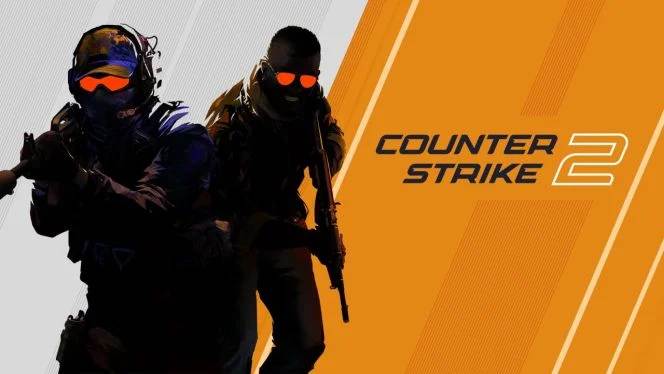
The Counter-Strike 2 cosmetics market was never exactly sane, but Valve has now crossed into uglier territory. The Cologne Major stickers are no longer locked behind capsules: players can buy them directly from the official store, but demand-based pricing has already pushed some items beyond €1,500.
Counter-Strike players are not easy to shock when it comes to cosmetic prices. They have seen skins move for luxury-car money and, in the most absurd cases, even house-level sums, with the usual explanation always waiting nearby: collector demand, secondary markets, rarity, speculation, and no direct Valve hand setting the final price. That shield is much weaker now. With the latest CS2 update, Valve has put a pricing system into the official Counter-Strike store that moves according to demand, bringing part of that market madness into the primary shop itself.
Over €1,500 for a Counter-Strike Sticker
The controversy started with the new sticker collection for the Cologne Major. The Major is the highest-level competitive event for Valve’s tactical shooter, and the company has long sold team logos, player signatures, and other cosmetic accessories around these tournaments, so the existence of the collection is not the strange part. The sales model is. Previously, players bought relatively cheap sticker capsules that randomly contained a team emblem or a player autograph; now Valve has switched to direct purchasing. In an official Counter-Strike blog post, the company explained the move by saying, “This approach was popular, but players have told us they would prefer to buy the stickers directly.” At first, that almost sounds reasonable. Less gambling, more control. Then the price tag arrives.
Valve did not simply place fixed prices on the stickers. It built a relative-demand system around them. “The prices of all stickers depend on relative demand. This means that if one sticker is purchased significantly more than another, its price will rise and the other’s will fall.” In practice, that means popular items do not just become popular. They become expensive. Very expensive.
The Sinners sticker reached 153,817 tokens, which works out to roughly €1,522.79. According to calculations circulating on social media, buying one of each of the one hundred most popular stickers would cost more than €19,000, or about €190 per sticker on average. This is not a single bizarre spike either: the autograph sticker for Donk, widely considered one of the best players in the world right now, previously climbed above €1,220. At that point, this is not just about a fan wanting to put a favorite team’s sticker on a weapon. This is speculative mechanics, wrapped inside an official store.
Early signs suggest the model may not be working the way Valve hoped. According to the director of Aurora, one of the teams participating in the Major, this edition has produced the worst sticker sales “by a wide margin,” which matters because 50 percent of sticker revenue is split between the participating teams and the company organizing the event. Many esports organizations count on that money to support operations, maintain rosters, and carry themselves through the rest of the season. If players pull back because the prices feel obscene, Valve is not the only party that gets hit.
The timing makes the whole thing worse. Valve’s monetization systems are already under growing scrutiny in several countries, with the company having modified cash-register systems in Germany and France, while also facing a lawsuit from the State of New York. In that climate, it looks bad to bring the sort of speculative pricing once blamed on secondary markets directly into the official store. Weak revenue signals and community criticism together suggest this direction will be hard to defend long term. The next real test should come at the Singapore Major at the end of November, where we may see whether Valve pulls back or keeps pushing this expensive, slippery, and deeply questionable model.
Source: 3DJuegos



![The JRPG Made by Final Fantasy and Dragon Ball Creators Got an unofficial PC port! [VIDEO]](https://thegeek.games/wp-content/uploads/2026/08/vnews-blue-dragon-reblue-302x180.jpg)
![Several Thefts Have Occurred on the Gamescom Exhibition Grounds! [VIDEO]](https://thegeek.games/wp-content/uploads/2024/08/theGeek-gamescom-2024-302x180.jpg)


![Stranger Than Heaven: A Dozen Minutes from the Gamescom Demo [VIDEO]](https://thegeek.games/wp-content/uploads/2026/08/vnews-stranger-than-heaven-302x180.jpg)



![The JRPG Made by Final Fantasy and Dragon Ball Creators Got an unofficial PC port! [VIDEO]](https://thegeek.games/wp-content/uploads/2026/08/vnews-blue-dragon-reblue-300x365.jpg)
Leave a Reply