
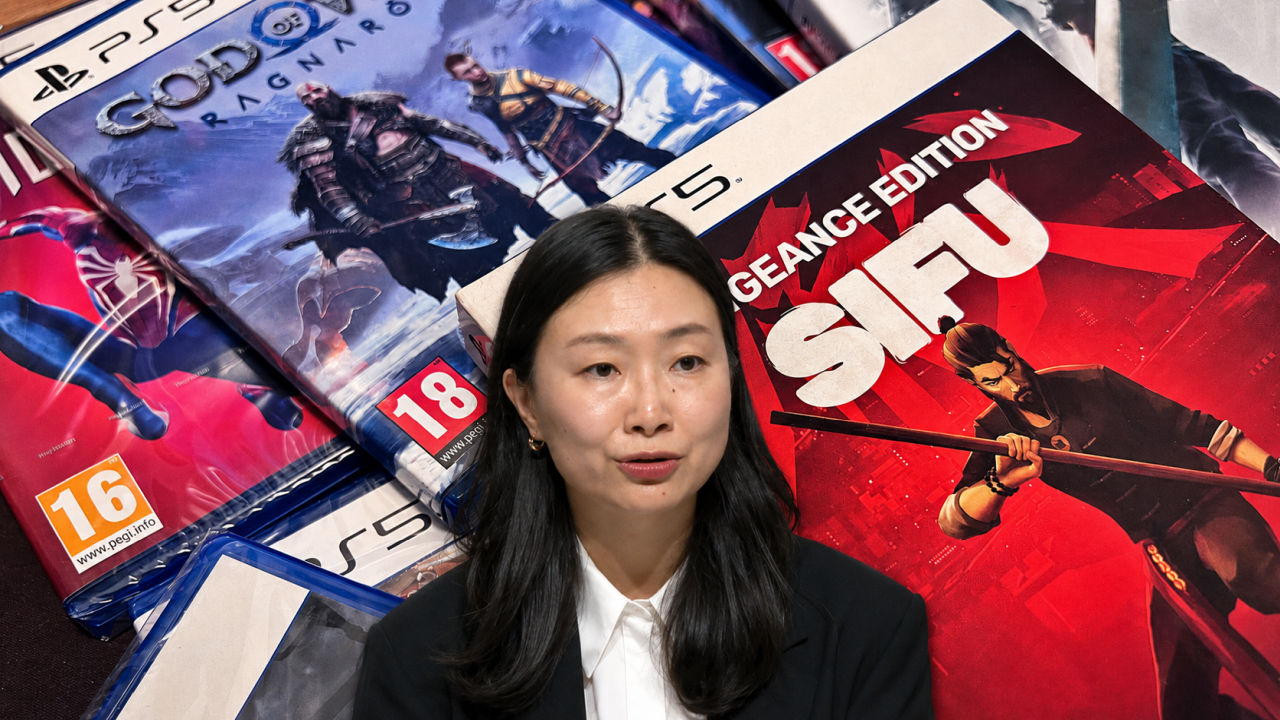
According to Sony, users of the PlayStation Network have always known that they are only receiving a license when they make a purchase, not the game itself.
The company strongly opposes the class-action lawsuit challenging the disclosure of PlayStation’s digital license terms. In a recently filed court brief, Sony argues that so-called “reasonable consumers” are aware that buying a digital game from the PlayStation Store does not mean they own it. The case began on June 18 when four California PlayStation users filed a motion to initiate a class-action lawsuit in the U.S. District Court for the Northern District of California. In the complaint, the plaintiffs allege that Sony does not clearly and prominently inform consumers at the time of sale that these transactions do not transfer ownership of digital games. Instead, Sony buries this information in fine print or in separate agreements that consumers are not required to explicitly accept.
The complaint is based on California Assembly Bill 2426, which took effect on January 1, 2025, adding Section 17500.6 to the state’s Business and Professions Code. The law requires online retailers to obtain an explicit statement from customers at the time of payment confirming that they are receiving a license rather than ownership. Alternatively, retailers must post a clear, prominent, and easy-to-understand statement, separate from the other terms of use, stating that the purchase of a digital product grants only a license. Currently, when a PlayStation user makes a digital purchase, a short line of text appears during checkout: “By selecting [Confirm Purchase], you agree to complete the purchase in accordance with the PlayStation Terms of Service before using this content. You further acknowledge that your purchase of this digital product amounts to a license, which is subject to the Software Product License Agreement.” The plaintiffs argue that this type of disclosure is easy to overlook and does not meet the requirements set forth by California law.
Sony submitted its first substantive response on August 21. As expected, Sony argues in the filing that its current disclosure practices, as outlined in the PlayStation Terms of Service and Software Product License Agreement (SPLA), align with California’s disclosure requirements. The SPLA states that users may use the product as described in the license, but they do not become owners of the product. It also states that the software is made available under license, not for sale. This wording appears several hundred words later in documents consisting of several thousand words. Sony’s attorneys went further, arguing that genuine ownership of a digital copy is implausible because digital files are not inherently scarce, unlike physical objects. The brief illustrates this argument with a hypothetical example: If purchase conferred true ownership, then Edward Heycock would not have been able to purchase Resident Evil Requiem on February 25 after Jason Mendoza had already purchased the same digital game on February 14. Mendoza would have claimed ownership rather than leaving it with Sony for resale.
As expected, the petition sparked another huge reaction on social media, especially in light of Sony’s previously announced plan to stop producing physical discs for PlayStation consoles in 2028. Critics argue that these two developments create a serious problem: if physical media disappears and digital purchases are legally classified as license acquisitions rather than sales, players will be left with game libraries that Sony could revoke or modify at any time—a frightening prospect for gamers. Many fans have also noted the discrepancy between the store’s “Buy Now” and “Confirm Purchase” labels and Sony’s assertion that no actual sale occurs. Others have called for updated legislation that better aligns with digital ownership rights. They argue that companies should not be allowed to define the term “license” however they see fit while using purchase-oriented language at checkout.
Despite the persistent backlash, Sony continues to defend its move away from physical media. In July, Sony’s chief financial officer, Tao Lin, revealed that the company is moving forward with the plan cautiously while taking player feedback into account. He added that Sony intends to continue exploring ways to bring players into a fully digital ecosystem.



![Moon Studios Has Postponed the Release of No Rest for the Wicked! [VIDEO]](https://thegeek.games/wp-content/uploads/2024/04/thegeek-no-rest-for-the-wicked-2024-302x180.jpg)

![Dragon’s Dogma II: Dark Arisen: Major Free Update Ahead of the DLC [VIDEO]](https://thegeek.games/wp-content/uploads/2026/09/dragons-dogma-dark-arisen-1280x720-2-302x180.jpg)








![Moon Studios Has Postponed the Release of No Rest for the Wicked! [VIDEO]](https://thegeek.games/wp-content/uploads/2024/04/thegeek-no-rest-for-the-wicked-2024-300x365.jpg)
Leave a Reply