
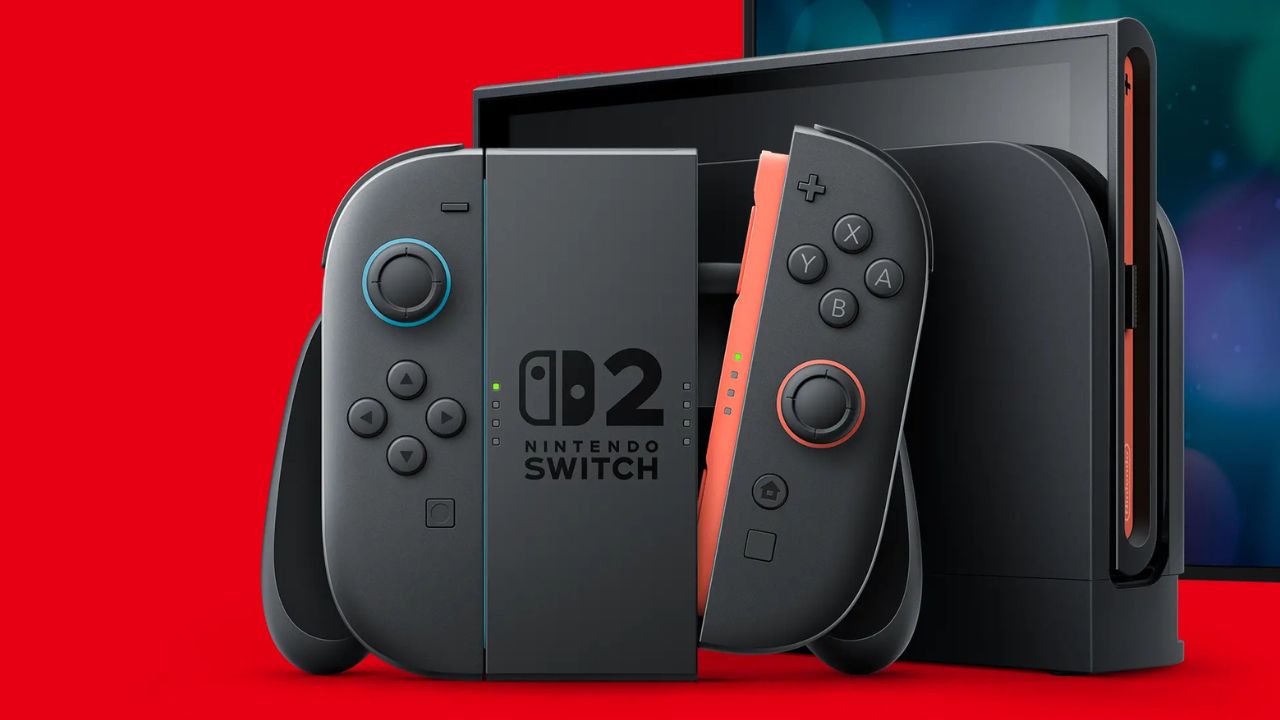
The Nintendo Switch 2 has reached 19.86 million units in less than a year, meaning Nintendo’s new console has started much faster than the original Nintendo Switch. Even so, the company expects hardware sales to fall in fiscal year 2026-2027 – an unusual curve for a console with such a strong launch.
Nintendo has published its results for the previous fiscal year, which began on April 1, 2025, and ended on March 31, 2026, and the numbers make one thing clear: the Nintendo Switch 2 has had a very strong opening year. The company has also announced price increases for the console, and those revisions are already reflected in its forecast for the next business year. In Japan, the Japanese-language system will rise from 49,980 yen to 59,980 yen on May 25, 2026, while in the United States the price will move from $449.99 to $499.99, and in Europe from €469.99 to €499.99 on September 1, 2026.
According to Nintendo’s financial report, the Switch 2 added 2.49 million units during the fourth quarter of the fiscal year. In total, the console has now reached 19.86 million units since its June 2025 launch, a particularly strong figure when compared with the original Nintendo Switch over the same period. The new console is roughly 5 million units ahead of its predecessor at the equivalent point in its life cycle, which means Nintendo’s latest hardware has built its user base at a faster pace than the original hybrid system.
The quarterly picture, however, is not quite as clean. Switch 2 momentum has slowed significantly, especially in Europe and North America, and Nintendo expects that trend to continue through fiscal year 2026-2027. The company is forecasting 16.50 million hardware units for the next business year, a 16.9 percent year-over-year decline, while Switch 2 software sales are expected to rise from 48.71 million to 60 million units.
Nintendo put it this way in its own financial material: “For Nintendo Switch 2, sales were more concentrated in the launch year in comparison to previous hardware systems. Reflecting strong launch-year sales and price revisions, we expect FY27 sales units to decline year-on-year. Even so, we believe this represents a solid level of adoption for Nintendo Switch 2 in its second year after launch.”
Serkan Toto, CEO of Japanese consultancy Kantan Games, sees this as proof that the console has arrived in a strange period for the technology market as a whole. “We are truly living in strange times. Typically, sales of new consoles increase in the second year; however, Nintendo is now predicting that Switch 2 sales will fall by 17%”, he said in a statement sent to VGC. Toto pointed to the apparently unavoidable price increases and the ongoing memory crisis as key factors, while Nintendo’s attempt to build an early user base has now run into a far less forgiving market.
That does not mean Nintendo is expecting a collapse in the Switch 2’s second year. The console is still one of the fastest-selling pieces of hardware in the company’s history, and even with the expected slowdown, Nintendo believes cumulative Switch 2 sales after 22 months will remain ahead of the original Nintendo Switch. The company’s message is therefore not that demand has disappeared, but that a spectacular first year may be followed by a less explosive, still solid second one.
The Nintendo Switch 2 Catalogue And What Comes Next
Nintendo Switch 2 sales have clearly been helped by Nintendo’s major post-launch releases. The software ranking in the financial report is led, unsurprisingly, by Mario Kart World, a game that many early buyers received through the Nintendo Switch 2 + Mario Kart World bundle. That bundle effect was especially important, as it tied the hardware launch to one of Nintendo’s most reliable system-selling series.
Best-Selling Nintendo Switch 2 Games As Of March 31, 2026:
1. Mario Kart World – 14.70 million units
2. Donkey Kong Bananza – 4.52 million units
3. Pokémon Legends: Z-A – Nintendo Switch 2 Edition – 3.94 million units
4. Pokémon Pokopia – 2.41 million units
5. Kirby Air Riders – 1.87 million units
Pokémon Pokopia is a special case, as Nintendo separately highlighted its strong commercial performance. The ranking above only includes sales recorded up to March 31, 2026, but the company says the game surpassed 4 million units in its first five weeks, from March 5 to April 9, 2026. The recent re-release of Pokémon FireRed and Pokémon LeafGreen on the original Nintendo Switch also paid off, reaching more than 4 million units in six weeks, while Tomodachi Life: Living the Dream passed 3.8 million units in its first two weeks.
The original Nintendo Switch has not disappeared either: hardware sales continue at a slower pace, and the system now stands at 155.92 million units worldwide. Nintendo’s focus, however, is clearly shifting toward its next generation, and the company is expanding the Switch 2 lineup to reach the broadest possible audience. The schedule already includes Star Fox, Splatoon Raiders, Fire Emblem: Fortune’s Weave, Pokémon Winds, Pokémon Waves, and more.
The message is therefore split in two. The Nintendo Switch 2 has launched extraordinarily well, but its second year may not follow the usual console growth pattern. Hardware prices are going up, component costs and memory pressure are weighing on the market, and Nintendo is preparing for a year in which software will have to keep the machine moving. The console is not struggling – it is simply being tested in a market where the old rules no longer apply so neatly.











Leave a Reply