
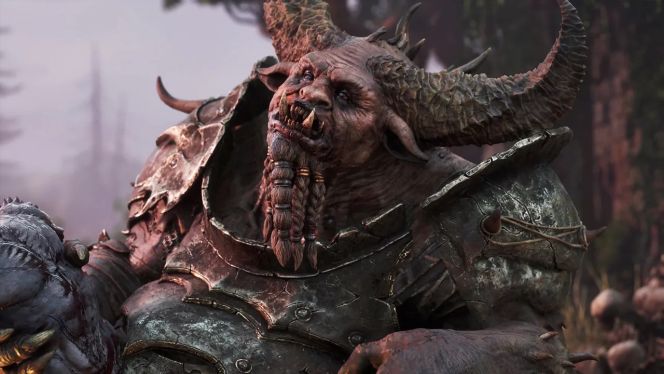
Fatekeeper did not launch as a full release, but as an Early Access project built with very limited resources, and yet it has drawn serious attention from fantasy RPG fans. Paraglacial says it is not only the amount of feedback that has surprised the team, but also its quality, because the community’s criticism and suggestions are genuinely helping shape the game into something better.
Although many players expected a full release, Fatekeeper, one of this year’s most anticipated fantasy RPGs on Steam, is a project developed with minimal resources. Even so, despite launching in Early Access, interest in the game has been so high that Paraglacial admits it has felt a little overwhelmed by the enthusiasm of players. The studio also acknowledges, however, that the enormous amount of feedback and suggestions has not arrived as simple noise, but as something genuinely useful in making Fatekeeper a better game.
For those unfamiliar with it, the title, published in collaboration with THQ Nordic, is not another open-world role-playing game promising absolutely everything, nor is it trying to directly replace sagas such as The Elder Scrolls. Fatekeeper instead offers a more linear and narrative-driven RPG experience, with much of its appeal lying in how it understands the environment. Its gameplay premise is much closer to Arkane’s legendary Dark Messiah of Might and Magic: Paraglacial’s game encourages players to use physics in combat, both through the environment and through the bodies of the characters themselves. That idea brings a welcome breath of fresh air to a genre that can often feel surprisingly static, even when it promises huge worlds and epic freedom.
Since this is the Early Access version of an indie game that began almost as a proof of concept, however, what can currently be played of Fatekeeper is quite limited. The current build only offers a few hours of the main campaign, and according to the studio, that decision is intentional: the developers want to collect player feedback during these early stages of development so they can adjust the game around the community’s experience. First they want to understand exactly what works, what needs improvement, and only then do they plan to expand the content more substantially.
Despite being a limited Early Access release, Fatekeeper has still produced strong numbers. Its use of Unreal Engine 5 to deliver realistic graphics helped the game reach 6,442 concurrent players, become the eighth most requested title on Steam, and, according to estimates, surpass 200,000 copies sold. In its latest statement, the Paraglacial team therefore stressed that it did not expect this level of player engagement and acceptance.
Fans Are Really Helping Fatekeeper Become a Better Game
The developers emphasize not only the quantity of feedback received, but also its quality. “Even the harshest criticisms have been constructive and detailed,” they wrote on Steam, highlighting that the community has actively contributed ideas to improve the game. This exchange has already led, for example, to update 0.1.2, which introduces basic field of view options, automatic item equipping, and several quality-of-life changes. Skills have also been adjusted, combat has been balanced, navigation has been improved, and the option to hide the interface during executions has been added.
Looking ahead, Paraglacial is already working on new features focused on replayability while preparing its next major content update. The studio says it would rather prioritize larger and more meaningful patches than release small, rushed additions. That means Fatekeeper may evolve more slowly during Early Access, but with greater care, and if the community feedback remains this useful, the current 8-euro surprise could still grow into a far more substantial RPG.
Source: 3DJuegos












Leave a Reply