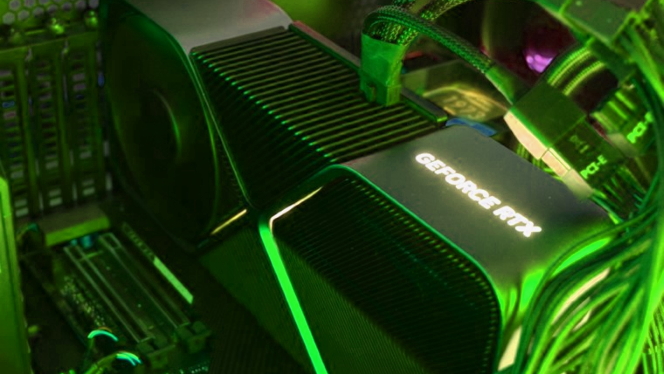
TECH NEWS – One manufacturer has reportedly received the GPUs but cannot sell them yet due to the unstable situation.
Nvidia has apparently produced the Blackwell-based RTX 5000 Super series cards, but some decisions still need to be made. As we previously reported, the launch of the RTX 5000 Super cards was postponed due to the high cost of GDDR7 memory. Given the current market situation, Nvidia has delayed not only the launch of the Super series, but also reintroduced the RTX 3060 with 12 GB of VRAM in an attempt to maintain stability. The RTX 5000 Super series products appear to be ready, but Nvidia has reportedly not yet decided on their launch. At least one of Nvidia’s manufacturing partners has received the cards. The manufacturer’s identity is unknown, and it cannot sell the GPUs just yet.
This is likely why we haven’t heard much about the Super series from Nvidia itself. The reason cited for postponing the launch is reportedly the price of 3 GB of GDDR7 memory. As we know, the current DRAM market is extremely volatile. Memory prices are extremely volatile, and further price increases are expected. Given Nvidia’s previous struggles sourcing the necessary DRAM chips for its GPUs, procuring 3 GB GDDR7 modules is an even greater challenge for the company.
A 3 GB GDDR7 chip costs between $60 and $70, significantly more than a 2 GB GDDR7 memory module. Currently, the price of a 2 GB memory module is reportedly $20, which puts GPUs with 3 GB of memory in a difficult position. According to recent reports, Nvidia is preparing to release four RTX 50 Super GPUs: the RTX 5070 Super, RTX 5070 Ti Super, RTX 5080 Super, and RTX 5050 9 GB. Recently, however, rumors have circulated about a 12 GB version of the RTX 5060 Super, though this has not yet been officially confirmed.
Each of these offers 50% more VRAM than current models, except the RTX 5050, which has only 1 GB more VRAM. The 9 GB version of the RTX 5050 was likely canceled due to pricing issues. This explains why only the 12 GB RTX 3060 card has been released in the budget segment. (And even that isn’t worth it…)
Source: WCCFTech, Videocardz