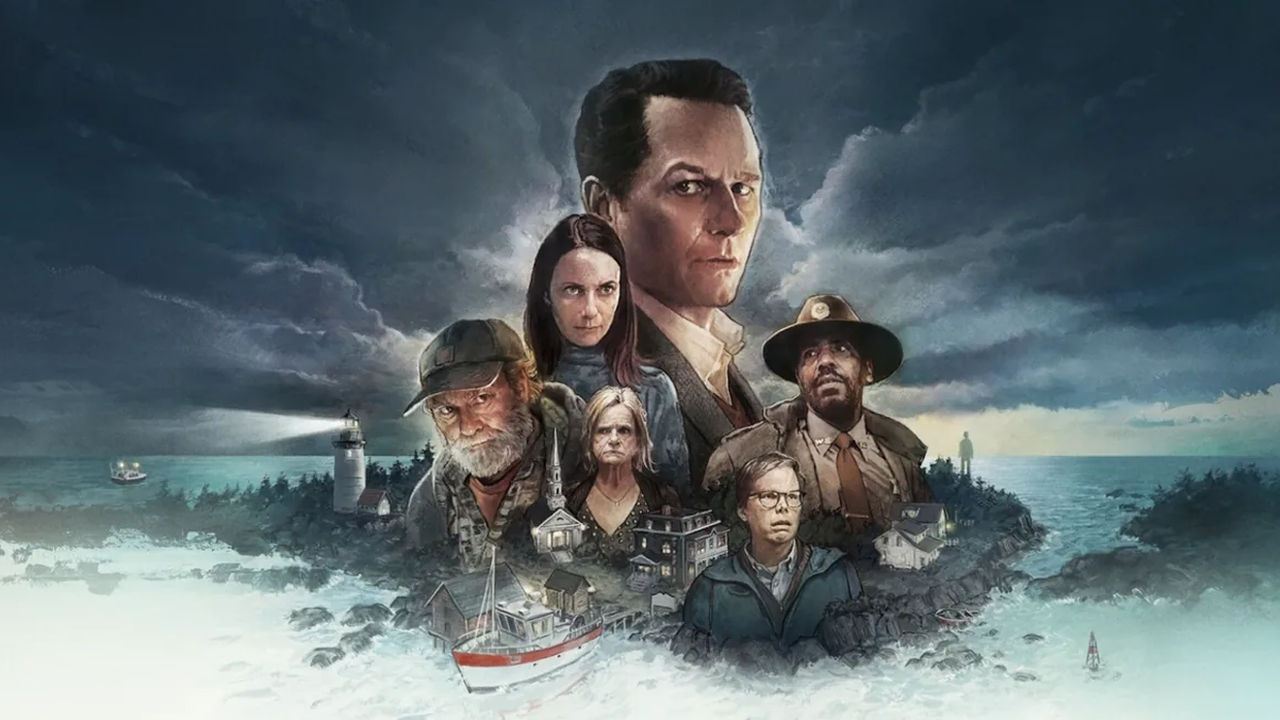
SERIES REVIEW – Tom Loftis moves to the island of Widow’s Bay with his teenage son, hoping to revive its dying economy as mayor, while the locals insist that the town has been cursed for centuries. Katie Dippold’s horror-comedy mixes small-town municipal incompetence with genuine supernatural danger, and Matthew Rhys plays the kind of leader who would order new tourism posters before calling an exorcist. The ten-part Widow’s Bay loses some momentum in the middle, but its excellent ensemble, black humour, and unexpectedly serious approach to horror make it one of Apple TV’s most original new series.
Widow’s Bay lies forty miles off the New England coast, separated from the mainland by a three-hour ferry ride, unreliable mobile reception, and Wi-Fi that sounds more like local folklore than a functioning service. Fishing is declining, younger residents are leaving, and businesses are steadily closing, so Mayor Tom Loftis sees tourism as the obvious way to fill the empty streets again. The islanders are less enthusiastic because they believe the long period of peace has a very simple explanation: nobody has previously been foolish enough to bring crowds of outsiders into the path of the old horrors.
From a distance, Tom looks like exactly the kind of well-meaning moderniser that a decaying community might welcome. In reality, he is thin-skinned, conflict-averse, and visibly uncomfortable with the fact that the locals consider him neither strong nor particularly competent. His campaign nevertheless succeeds, the tourists arrive, and the stories he dismissed as folklore, misunderstood natural phenomena, or badly recorded local hysteria begin happening again.
Katie Dippold builds a pleasantly disorienting world around that straightforward premise. One moment, Widow’s Bay is discussing how to sell a cursed island with the correct visual identity, and the next, somebody is genuinely disappearing into the fog. Comedy does not automatically neutralise the danger, while horror never permanently removes the jokes, allowing the two genres to exchange places inside the same scene. A ridiculous council meeting can therefore become a real disaster, and the most memorable part of a monster attack may be the completely inappropriate response of one terrified resident.
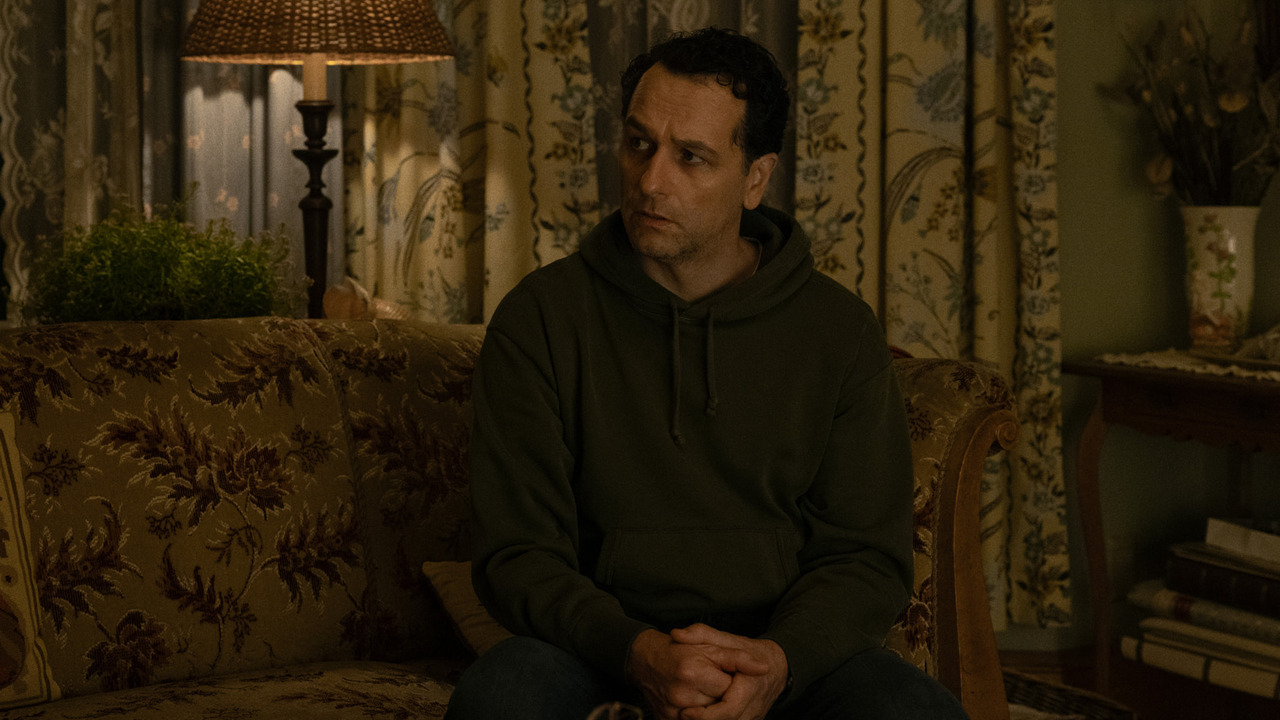
A Mayor Who Would Handle a Curse Through a Press Release
Matthew Rhys is perfectly cast as Tom because much of the comedy comes from the seriousness with which he approaches an increasingly absurd crisis. When something drags a person into the supernatural fog, Loftis immediately worries about the wording of the official statement and the possibility of negative coverage. When a building turns out to be haunted, the mayor begins calculating whether the ghost will improve or damage its tourism value. Rhys can admit with a single exhausted glance that Tom knows he is once again the least suitable person available to handle the situation.
The actor spent years in The Americans creating tension by hiding entire lives behind his expression. Here, he redirects that discipline towards comedy while Tom’s confidence develops another visible crack with every new incident. Rhys never turns him into a loud fool, instead playing a vain and cowardly but fundamentally decent man who desperately wants to be taken seriously. The character therefore survives when the jokes disappear for a few minutes and the story returns to the widowed father trying to provide his son with some form of stable future.
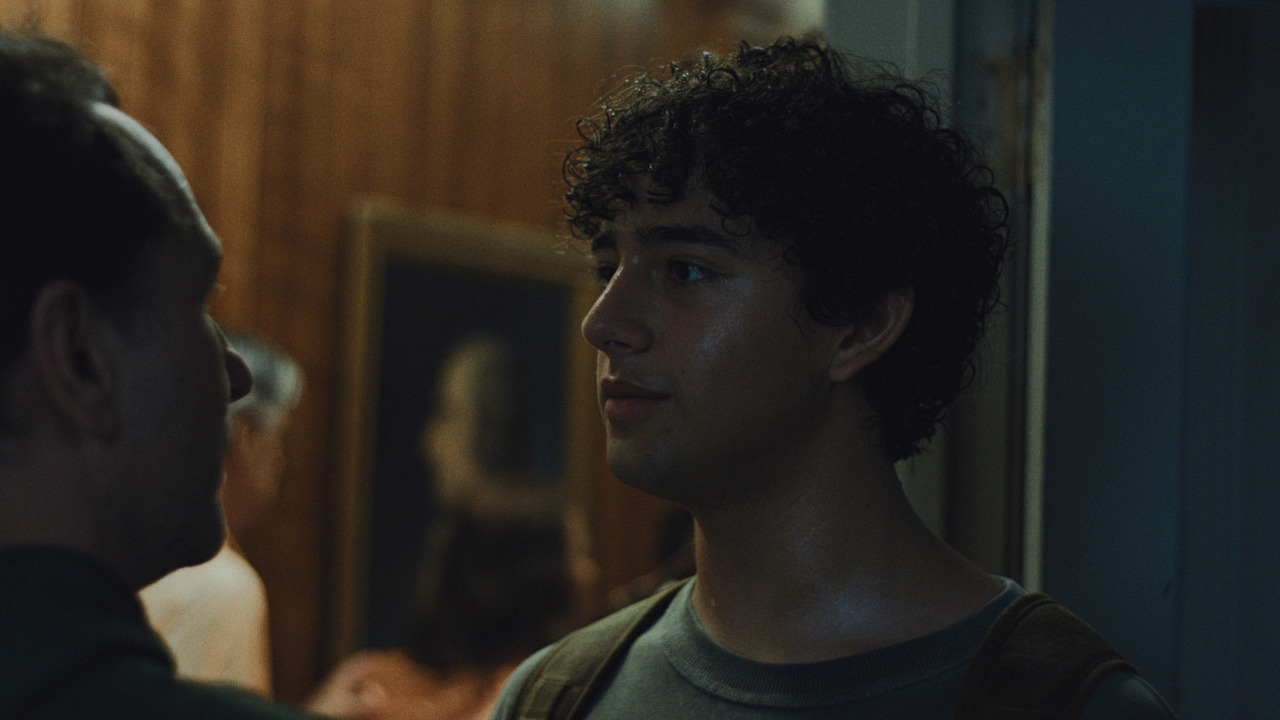
Kingston Rumi Southwick plays Evan with welcome restraint and none of the usual exaggerated child-actor mannerisms. The boy accepts the island’s impossible rules far sooner than his father and understands Tom’s insecurity, wounded pride, and need to prove himself. Their relationship does not receive enough attention in every episode, but whenever the series returns to it, the tourism campaign becomes far easier to understand. Tom is attempting to save more than the town; he also wants to prove that he can still hold something together after the death of his wife.
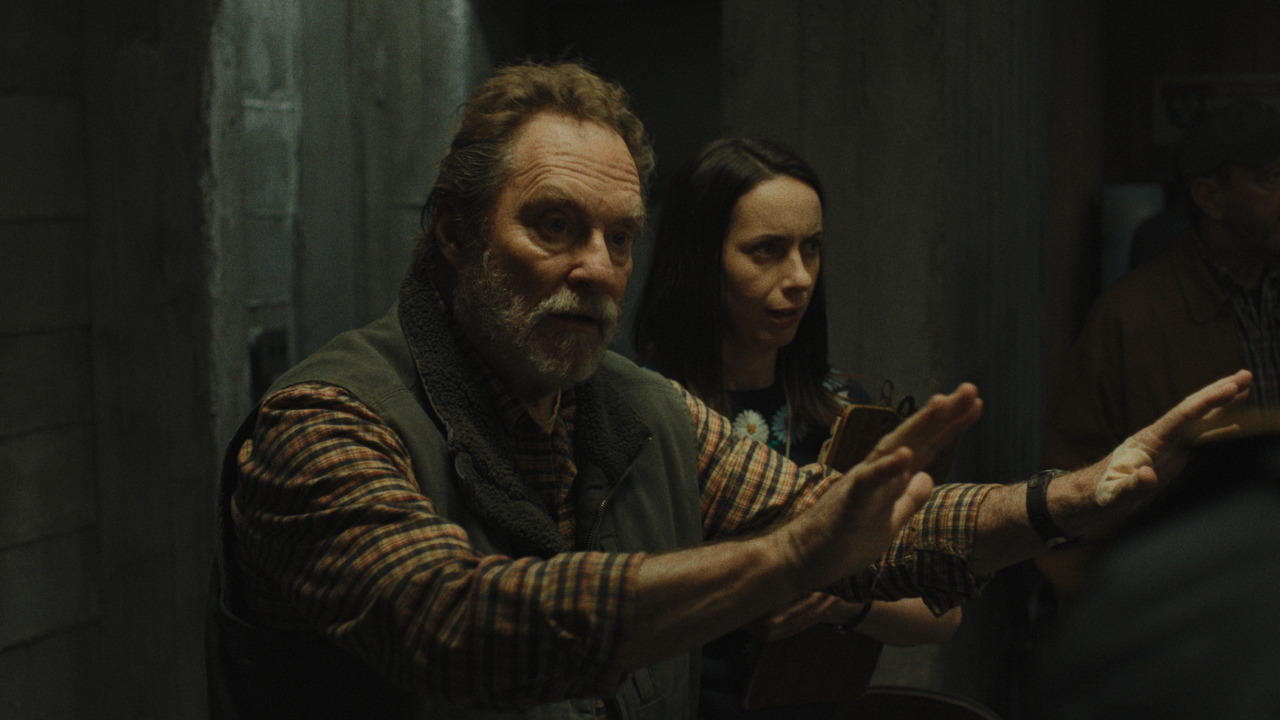
Stephen Root Is Right Again, Which Is Terrible News for Everyone
Wyck, the local fisherman, survivalist, and professional prophet of catastrophe, announces before the first tourists arrive that everybody is going to die. Tom naturally considers him insane, although anyone familiar with Stephen Root suspects that the madman will soon return with a hand-drawn map, a rusting harpoon, and a completely accurate prediction. Root plays the conspiracy-soaked eccentric so naturally that Wyck can function as both a ridiculous obstacle and the best-informed man on the island. Every victory is bad news because he is only proven correct after something has started eating people.
The arguments between Tom and Wyck provide several of the show’s strongest comic exchanges. The mayor talks about grants, visitor numbers, and economic development, while Wyck responds with a three-hundred-year-old sailor’s journal and a selection of ominously arranged animal remains. The scenes remain fresh because Root eventually reveals the loneliness and genuine fear beneath the louder reactions. Wyck takes no pleasure in being right; he has simply watched too many people suffer after refusing to listen.
Kate O’Flynn becomes an even greater surprise as Patricia. Loftis’s colleague greets every supernatural incident with dry practicality, as though the island’s latest massacre is simply another form that must be completed at town hall. O’Flynn never pushes the eccentricity, and Patricia becomes strange precisely because the most impossible situations are part of her normal working day. The increasingly disastrous party in episode four is one of the season’s high points, giving the actor enough room to reveal humour, damage, anger, and an unexpected capacity for danger within the same story.
Dale Dickey, Kevin Carroll, K Callan, and Jeff Hiller also receive moments that prevent the town from becoming a decorative backdrop. The residents do not share one attitude towards the curse: some fear it, others recognise a business opportunity, while several accept it like bad weather that cannot be changed by complaining. Those differences give the community a history that clearly existed before Tom arrived. The comedy consequently rarely depends on presenting the islanders as stupid, because they usually understand the danger far better than the mayor who refuses to believe them.
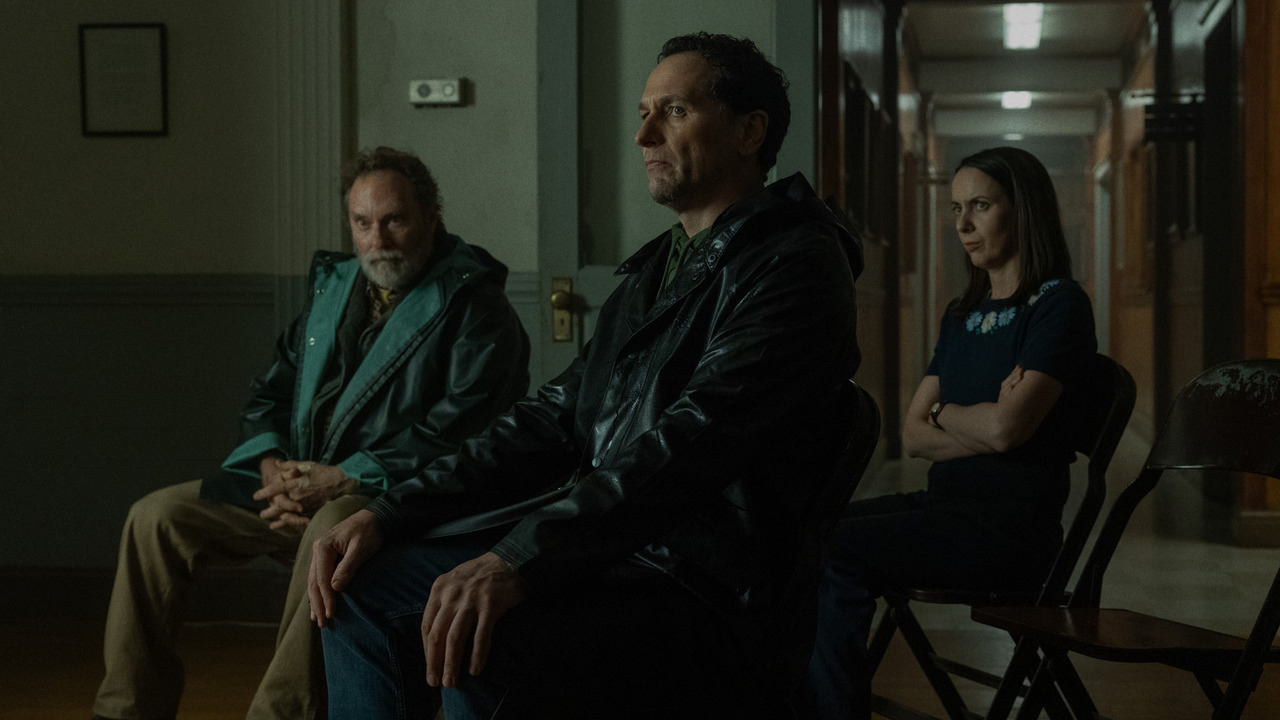
There Is More Than a Good Joke Waiting Inside the Fog
The ten episodes advance a connected story while drawing from a different branch of horror almost every week. Haunted houses, maritime legends, witches, slasher imagery, and local myths all appear, often leaving it unclear where history ends and the curse begins. Dippold’s writing team does more than display recognisable genre furniture for the audience to identify. The series usually follows the expected rules until the next development appears obvious, then moves the entire episode in another and frequently darker direction.
Hiro Murai, who directs five episodes, plays a decisive role in ensuring that the horror remains convincing beside the comedy. During daylight, the island looks picturesque, slightly worn, and potentially attractive enough to justify Tom’s campaign; after dark, the fog, empty streets, and sounds arriving from the sea transform it completely. Murai often refuses to show the object of fear directly and instead leaves the audience searching the background of the frame. The method is far more effective than another loud jump scare, allowing the show to remain uneasy even when nothing is actively chasing anyone.
Later episodes directed by Ti West, Sam Donovan, and Andrew DeYoung preserve that visual identity while bringing their own rhythm and emphasis. The series never becomes an especially graphic horror production, but it has real victims, unpleasant physical details, and moments in which the comedy disappears entirely. Stakes rise steadily during the second half as local legends connect with personal tragedies and Tom becomes less able to hide behind his position. When serious decisions finally arrive, even he understands that the crisis cannot be solved with a new logo or an unusually enthusiastic social-media post.
Sound is as important as the images. Ferry horns, seagulls, wind, footsteps disappearing into fog, and distant cries slowly lose their ordinary meaning, becoming more threatening with every repetition. Widow’s Bay does not try to look like a feature film during every minute, which benefits the series enormously. Smaller spaces, returning locations, and familiar daily routines create a genuine television world into which the supernatural can gradually and more disturbingly intrude.
They Booked Tourists for Ten Episodes, but Eight Would Have Worked Better
The season loses some of its initial momentum in the middle. Variable episode lengths are sensible because smaller stories are not automatically stretched to an hour, yet several chapters still ask for more time than their central conflict can justify. The characters remain enjoyable and the island is interesting enough to prevent the slowdown from becoming boring, although it is impossible not to notice. A tighter eight-part structure could have delivered fewer repetitions, a stronger middle, and an even more effective final run.
The historical episode is the clearest interruption to the present-day narrative. It reveals useful details about the origins of the island and contains several excellent scenes of its own, but it removes us from Tom, Patricia, and Wyck precisely when their situation becomes most compelling. The family story involving Evan also disappears into the background for too long, despite providing the strongest personal foundation for the mayor’s decisions. These are not fatal weaknesses, more evidence that the creators became so fond of Widow’s Bay that they occasionally struggled to decide which stories should be abandoned.
Even the weaker chapters remain pleasantly unpredictable. Rhys, Root, and O’Flynn establish such a natural comic rhythm that an ordinary town-hall disagreement can easily sustain several minutes, before one small detail in the background turns the scene towards horror. The final episodes regain speed, attach unexpectedly serious meaning to earlier jokes, and force the characters into morally uncomfortable positions. The ending leaves several questions available for the future while resolving enough of the immediate story to avoid feeling like an extended advertisement for another season.
The greatest achievement of Widow’s Bay is ultimately not one monster or mythological revelation, but the community itself. The series understands that a town celebration, a badly organised party, or a pointless council meeting can matter as much as the horror emerging from the fog. Matthew Rhys leads the ensemble with complete confidence, Stephen Root improves every scene he enters, and Kate O’Flynn frequently steals attention while apparently doing almost nothing. We would still avoid booking a holiday on Widow’s Bay, but as viewers, we would gladly catch the ferry again.
-Gergely Herpai “BadSector”-
Widow’s Bay
Direction - 8.4
Actors - 8.8
Story - 8
Visuals/Music/Sounds - 8.2
Ambience - 8.2
8.3
EXCELLENT
Widow’s Bay is an inventive horror-comedy that combines small-town municipal absurdity with genuine supernatural danger and a memorable collection of characters. Matthew Rhys leads the ensemble brilliantly, while Stephen Root and Kate O’Flynn repeatedly threaten to steal every shared scene. Despite a slight loss of momentum in the middle, the Apple TV series is funny, unsettling, and distinctive enough to avoid disappearing into the fog of the streaming catalogue.