An OpenAI employee took down the project after Jagex threatened legal action, which is perhaps understandable this time.
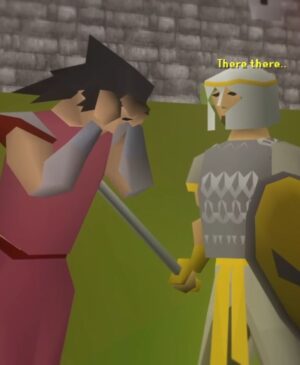
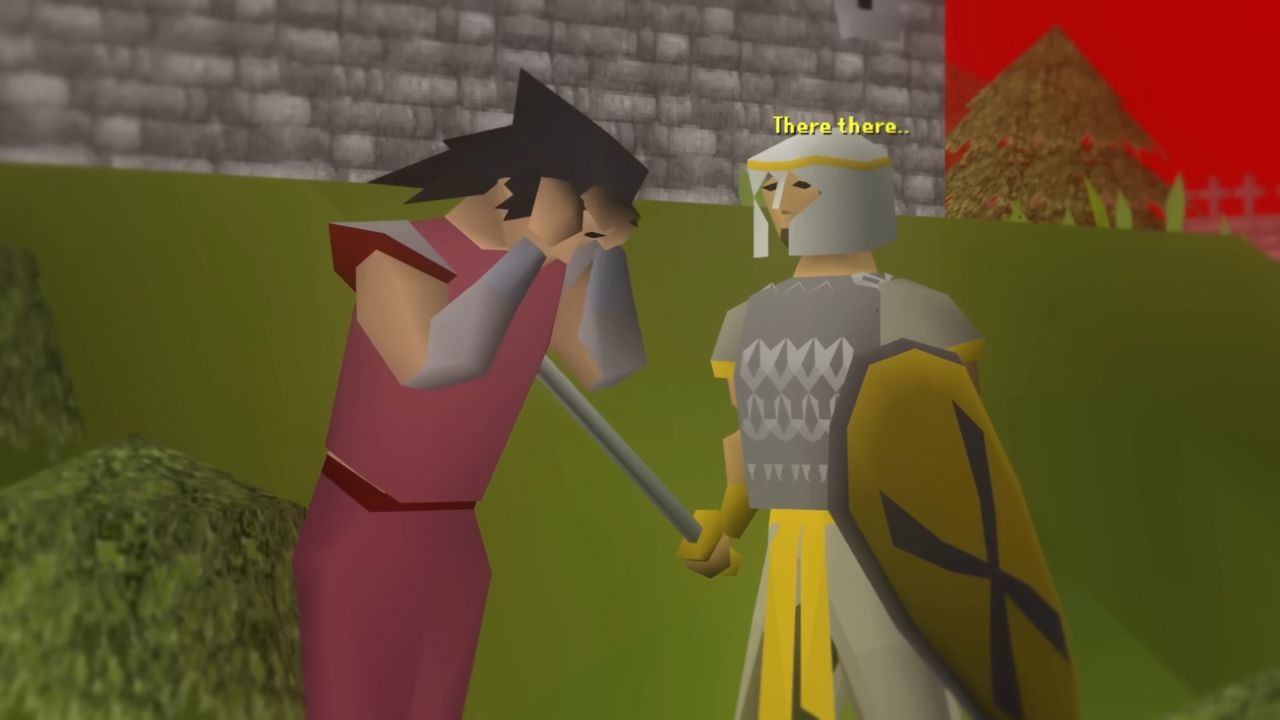
OpenAI employee Rohan Varma removed the browser-based, AI-powered RuneScape clone called Elderwood after receiving negative feedback from the RuneScape community and being ordered by developer Jagex to cease operations. Varma did not post a video showing how Elderwood worked. However, based on the screenshots he shared on Twitter, the game’s graphics and user interface closely resemble those of Old School RuneScape (OSRS). Furthermore, Elderwood featured place names similar to those in OSRS (including the famous Lumbridge), and Varma explicitly described the game as an OSRS clone in several tweets. Varma developed OpenAI’s Codex project, an AI tool focused on coding. He used Codex to create Elderwood.
Can we get jagex to send some cease and desist, letters? New AI. Completely ripping off osrs is "playable"
byu/Nutty103X in2007scape
Varma shared his first Elderwood tweet on September 6. The following day, a user named Nutty103X posted on the OSRS subreddit, drawing attention to Elderwood. Nutty103X called on Jagex to send a cease-and-desist letter to the creators of the clone game. Most commenters expressed similar views, criticizing the quality and originality of Elderwood. That same day, Varma tweeted that the number of users had spiked because the game had gone viral on the OSRS subreddit. Elderwood was taken down on September 9, and a farewell message from Varma appeared in place of the browser-based game.
“We received a notice from Jagex asking us to take down the website. Following that notice, we are discontinuing Elderwood’s operation, and the game is no longer available. Elderwood began as a browser-based multiplayer adventure inspired by RuneScape. In a few short days, it grew into a shared world of exploration, skilling, quests, trading, and duels—shaped along the way by the people who showed up to play and share ideas,” the message read.
Some interesting stats about the RuneScape clone I launched yesterday (https://t.co/UbLIpSmgQo):
– 3,000 people created accounts
– At our peak, we had 55 concurrent users player and we’re averaging about 35 online players per hour
– A collective 1,000+ hours have been spent… pic.twitter.com/dOVTR6s39c— Rohan Varma (@TheRohanVarma) September 7, 2026
Varma thanked the players and announced that the website would remain available with a leaderboard of the top Elderwood scores. However, the message seems excessive to us, given that this is a lower-quality clone designed to mimic the atmosphere of an existing game. Elderwood’s rapid rise and subsequent shutdown are reminiscent of the fate of many Nintendo fan games. The crucial difference is that fan games are generally noncommercial creative projects, unlike OpenAI’s advertising, which infringes on copyrights. Consider id Software, which created a Mario 3 port to demonstrate its mastery of fast-scrolling 2D graphics on DOS. Now, that was a cool copyright infringement!
We were shocked by the clumsy “act fast, break things” nature of this initiative. OpenAI is already being criticized for its generally negative impact on creativity, creative property rights, and people’s ability to earn a living from artistic endeavors. Whatever Varma’s intentions may be with this project, he represents OpenAI, and he used Elderwood to showcase the company’s projects.
Elderwood was an irresponsible experiment in using copyright infringement for promotional purposes. It was reminiscent of the nonsensical tweets from the White House Twitter account. This makes Varma’s somber farewell speech all the more infuriating.
Source: PCGamer, Eurogamer, Rohan Varma
In asked GPT-6 Astra in Codex to build RuneScape and deploy it to a ChatGPT Site.
You can check out the game here (it is multiplayer, so I’ll see you in there!): https://t.co/UbLIpSmgQo
The most impressive part may be that the demo video below is an Astra one-shot. My prompt:… pic.twitter.com/n8wXlMIVAJ
— Rohan Varma (@TheRohanVarma) September 6, 2026