
In 2013, PlayStation won over a large part of the gaming public by openly mocking Xbox One’s always-online requirement and restrictions around used physical games. Twelve years later, Sony has found itself in an awkward position over its own digital licensing system, after quietly introducing online verification for games purchased through the PS Store. Laura Fryer, former executive producer at Microsoft Game Studios, says PlayStation has stepped into the same trust trap again: it changed something quietly, explained it late, and then had to watch players assume the worst.
There was a time when Sony understood exactly how to win players over. At E3 2013, while Microsoft was still trying to push the Xbox One’s always-online requirement, restrictions on sharing physical discs, and its clumsy used-game policy onto the audience, PlayStation settled the PR fight with a short video: how do you share a game? You hand it to a friend. The crowd understood it instantly, Microsoft eventually backed away from many of those controversial plans, and Sony looked like the company that knew exactly where the line was. Now that same company is facing a digital rights management controversy of its own, which is particularly ironic given how much it benefited from its rival’s online DRM disaster more than a decade ago.
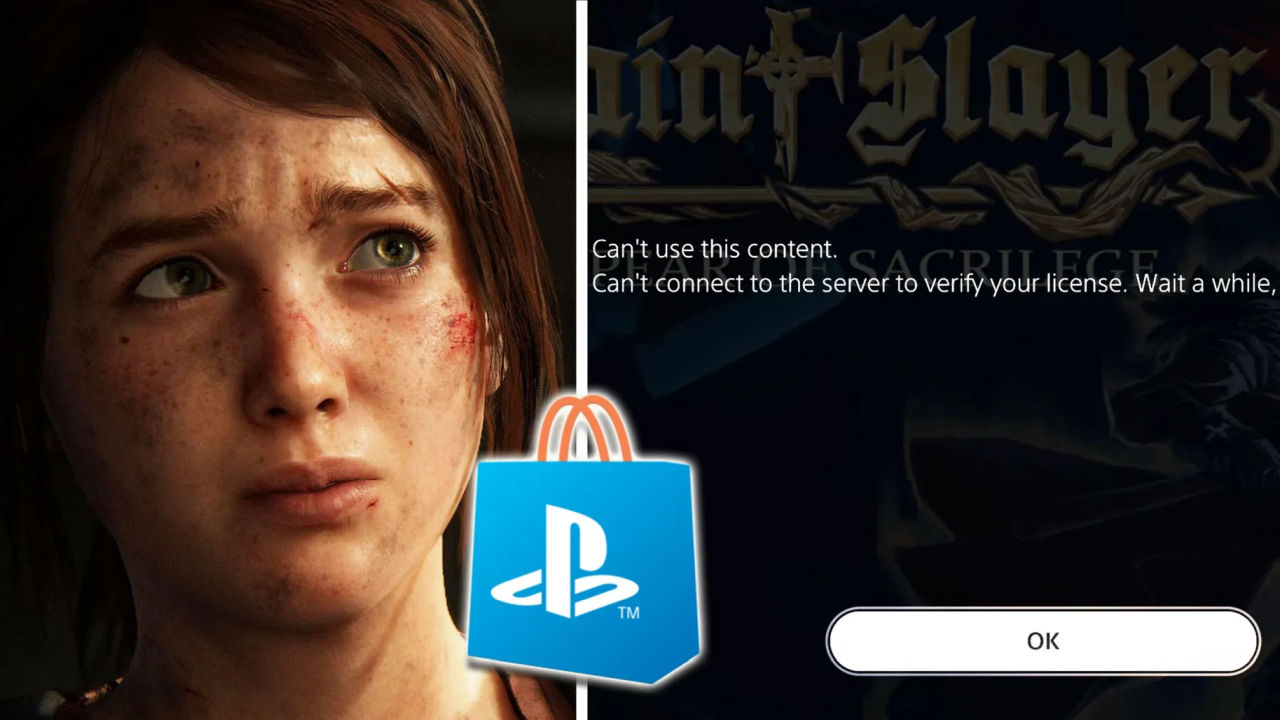
The new controversy began in late March, when Sony quietly introduced a mandatory online verification system for digitally purchased PS4 and PS5 games without clear advance communication. Some players noticed expiration dates appearing on licenses for games they had bought, and panic followed quickly: was Sony preparing time-limited digital games, or would it require users to keep renewing their licenses through an internet connection? The issue was not simply that a license check existed. The issue was that the company introduced it as if silence were enough for a change this sensitive. Digital ownership is already a fragile subject, and if a company allows expiration dates to appear next to purchased games without immediately explaining what they mean, a trust crisis is not a surprise. It is the predictable result.
The Silence Became The Real Problem
Laura Fryer, former executive producer at Microsoft Game Studios and one of the recognizable figures from the early Xbox years, addressed the issue in a YouTube video titled “Sony, please stop hurting yourself: why quiet changes go wrong.” According to Fryer, Sony failed at exactly the point where it could not afford to fail: it did not clearly announce the change, it did not immediately explain what online verification meant, and it allowed players to build the story out of their own fears. A PlayStation representative later clarified to GameSpot that the DRM does not make digital games expire. According to that explanation, the system requires a single online verification, which turns the initial temporary license into a permanent one, with no further checks needed afterward. But by then the clarification already felt like damage control, because the community had spent the crucial first stretch looking at what Sony had failed to explain.
Fryer argues that players naturally begin to imagine the worst in this kind of situation. Not because everyone is acting in bad faith, but because trust around big companies and digital licensing is already badly worn. She also connects the issue to the earlier Helldivers 2 PSN controversy, where Sony tried to make PlayStation Network account linking mandatory for the Steam version, triggering a massive backlash. Steam began accepting refunds, the game was pulled from sale in dozens of countries where PlayStation Network was unavailable, and Sony eventually reversed course and apologized. In Fryer’s view, the current DRM controversy follows the same bad pattern: quiet change, loss of trust, late explanation, and another round in which the community watches the company with suspicion from the start.
The situation is even more uncomfortable because Sony is already in a sensitive moment. In Europe, the PS5 now sits around 650 euros, the PS5 Digital Edition costs 600 euros, and the PS5 Pro is priced at 900 euros, while the community is not exactly eager to trust new reassurances about future price stability. In that climate, every DRM controversy, every unclear digital licensing change, and every late explanation lands harder. If a company is asking players to accept more expensive hardware, a more expensive ecosystem, and greater digital dependence, it cannot behave as if people will not notice background changes. Fryer ultimately says she misses the old Sony, the company that in 2013 seemed to stand on the player’s side against online DRM. In her view, when a company betrays trust once, it leaves a mark, and every later move is amplified by suspicion. PlayStation has once again handled the situation as if silence would solve the problem, even though recent years have proved the opposite: quiet changes do not disappear. Sooner or later, they explode in your face.
Source: 3DJuegos















Leave a Reply