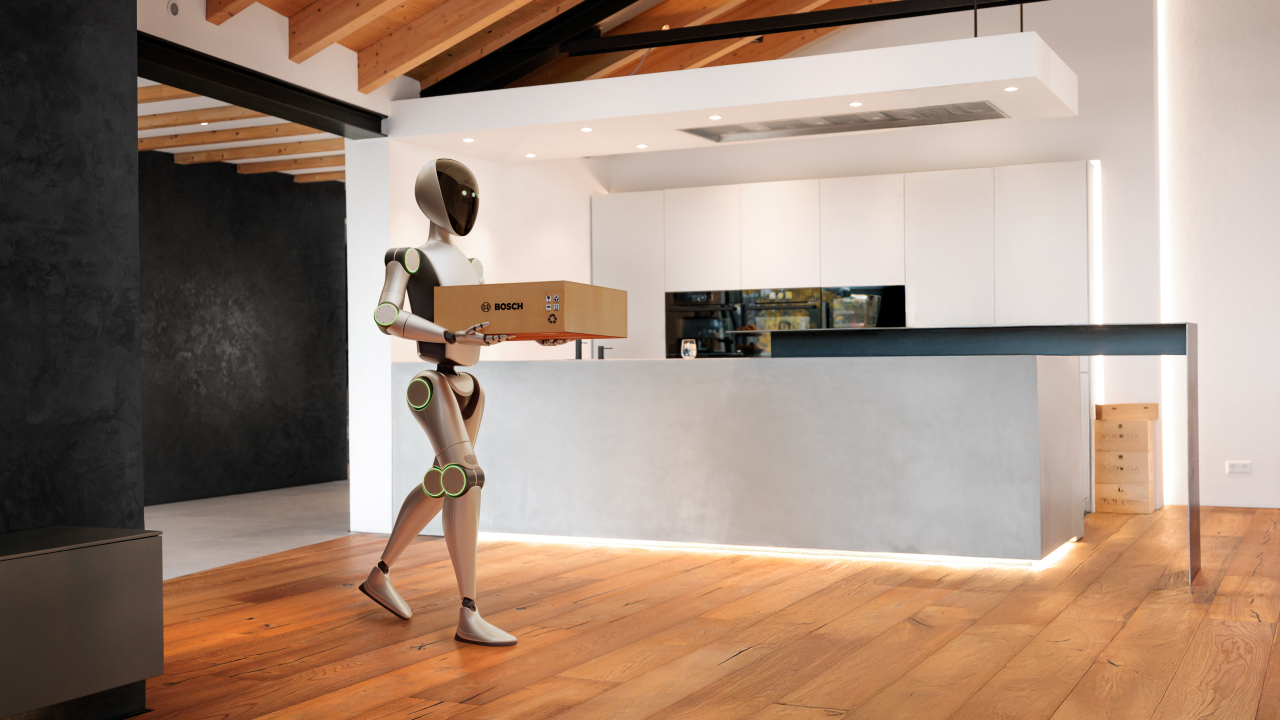
TECH NEWS – Robot nurses, autonomous UV-C disinfection machines, robot dogs, drones, and smart factories powered by digital twins were among the technologies highlighted at ELTE and Bosch’s joint robotics forum. Intelligent Robotics FAIR 2026 explored whether society is ready not only to live with machines, but to work alongside them.
The age of robots is closer than many people think. Intelligent robotic systems are no longer limited to production lines, as they are beginning to claim a role in healthcare, education, and everyday life. How can robot psychology make machines more human-centered? How might robots help solve demographic and economic challenges? And what role could they play in the factories of the future? These were some of the central questions examined at the joint event organized by ELTE’s Faculty of Informatics and the Bosch Group in Hungary.
Intelligent Robotics FAIR 2026 Put Human-Centered Robots in Focus
Intelligent Robotics FAIR 2026 took place from June 18 to 20 at ELTE and the Bosch Budapest Innovation Campus. The international science and innovation forum used talks, expert discussions, live demonstrations, a robotics exhibition, and a family day to present new application areas for rapidly evolving robotics and artificial intelligence. Its central theme was the social and industrial integration of intelligent robotic systems, with a particular emphasis on human-centered robotics and Embodied AI.
The event brought together universities, research institutes, technology companies, decision-makers, students, and families interested in the field for the second time. The closing Robotrandi Family Day 2026 featured demonstrations, workshops, games, and educational talks, while also hosting the finals of the international Robotics 4 Good Hungary competition and ELTE-Qubit’s robotics card-game development contest.
ELTE and Bosch’s Joint Work in Robotics and AI
Bosch sees the growing role of robotics as the beginning of a new chapter in innovation. ELTE’s Faculty of Informatics has operated the ELTE-Bosch Artificial Intelligence Department successfully for six years, and several of its research projects were showcased at the forum. Joint developments by ELTE and Bosch contribute to the advancement and industrial application of robotics, autonomous vehicles, machine vision, drone technologies, and neuromorphic systems that increasingly model how the human brain works.
“As a leading global supplier of innovative technologies and services, Bosch is actively developing the key elements of automation and robotics, including the latest solutions that serve as the ‘brain and nervous system’ of robots. Our goal is to work with the academic sector to broaden Hungary’s innovation ecosystem and help shape the future of artificial intelligence and robotics.” said Mátyás Pótsa, Innovation Ecosystem Lead at the Bosch Group in Hungary.
“Intelligent Robotics FAIR is not only a conference, but a celebration of the meeting between science, industry, and society. The event shows that robotics and artificial intelligence are not merely technological questions, but a shared social issue.” said Tamás Kozsik, Dean of ELTE’s Faculty of Informatics.
Could Robot Doctors and Robot Nurses Enter Healthcare?
Healthcare robotics is now one of the most promising directions for robotic technologies. Visitors were given a look at robot-assisted surgery, where specialized robotic arms help doctors with extremely precise movements. Such systems can make medical procedures more accurate, safer, and less physically demanding for patients, while the exhibition also allowed visitors to try controlling a surgical robot arm themselves.
Robotics could also help address the shortage of caregivers and nurses. According to the event’s experts, machines could be most useful in time-consuming, repetitive, or physically demanding care tasks, leaving more time and capacity for the personal attention and professional decisions that require a human presence.
The Humanoid Robot Dilemma: How Robot Psychology Could Improve Human-Robot Cooperation
The spread of humanoid robots is not merely a technological question. Developers must also determine how these systems can create natural, safe, and trust-based relationships with people. Robot psychology examines how future social robots can become genuinely effective assistants in healthcare, education, and services, not only through advanced algorithms, but through a deeper understanding of human behavior, communication, and social interaction.
Cleaner Hospitals and More Hygienic Public Transport Are Also Part of Robotics’ Future
Autonomous machines could take on new tasks in hygiene as well. Intelligent Robotics FAIR featured a robot that moves through rooms using UV-C light to disinfect air and surfaces without human contact. The technology could be used in hospitals, nursing homes, schools, and even public-transport vehicles wherever fast, chemical-free disinfection is needed.
Robot Dogs, Drones, and Search Robots Could Take Risks in Our Place
Robots may do more than handle convenient everyday tasks. Autonomous devices, drones, robot dogs, and search robots can also enter places that would be dangerous or deadly for humans, including caves, tunnel systems, underwater infrastructure, and flooded mines. They can dive on our behalf, map hidden passages, and bring back data from extreme environments that were previously almost impossible for researchers to access.
Robots and Digital Twins Could Transform Industry
While robotics in healthcare and everyday life may still sound like a near-future prospect to many people, intelligent robotic systems already play a major role in factories. The event showed how automated manufacturing, robotic material handling, and AI-based sensing are transforming industry, while also exploring how digital twins can operate in a new generation of factories. In future industrial sites, robots, artificial intelligence, and digital twins may work even more closely together to make production faster, more accurate, and more efficient.
Source: Intelligent Robotics FAIR 2026, Bosch Hungary, ELTE Faculty of Informatics