
This statement makes a lot of sense. It’s something that even some domestic companies or telecommunications providers could adopt without raising prices due to inflation.
If we want people to buy more of something, lowering the price is sometimes an effective strategy. In an internal memo, Asha Sharma, the CEO of Xbox, said that lowering the price of Game Pass has worked quite well. In April, she said that Xbox needed to improve the value proposition for Game Pass, whose prices had risen significantly in October when the price of the top-tier Game Pass Ultimate plan increased by 50%, from $20 to $30 per month. A week after Sharma’s statement, these prices were lowered.
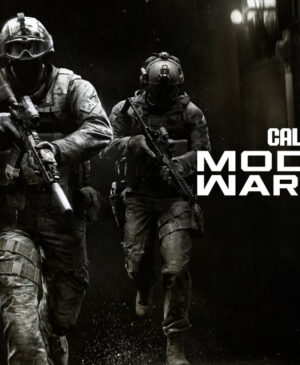
While prices remained higher than before the October increase (Game Pass Ultimate, for example, dropped to $23 per month), this came at a cost. Call of Duty games will no longer be available on Game Pass at launch but will join the subscription service about a year later, around the time of the next Call of Duty release. However, it seems that the final price tag is more important to a significant portion of the Game Pass audience.
“Growth slowed down, and subscriber loss accelerated after the pricing and SKU changes last year. Since our price reduction, we have seen acquisitions grow and retention improve, which is a good first step. We will not solve this in one moment or one launch. We will have to work hard to solve the problem in front of us and restore durable growth,” Sharma wrote.
There’s no doubt that Game Pass has become too expensive for most Xbox users who only play a few games a year. It’s still unclear where Game Pass is headed, but we doubt they’ll simply lower the price. One possible scenario is a greater emphasis on ads. Shortly after the Game Pass price increase, rumors surfaced about an ad-supported Xbox Cloud Gaming service. We wouldn’t be surprised if they experimented with something similar on Game Pass itself.



![18 Minutes of Deeper Insight into Silent Hill: Townfall [VIDEO]](https://thegeek.games/wp-content/uploads/2026/02/theGeek-Silent-Hill-Townfall-302x180.jpg)


![Code Vein II: Mask of Idris: Update and DLC Coming Soon, All at Once [VIDEO]](https://thegeek.games/wp-content/uploads/2026/02/theGeek-Code-Vein-II-302x180.jpg)
![The Second Story DLC for Borderlands 4 Launches in Three Weeks [VIDEO]](https://thegeek.games/wp-content/uploads/2025/09/theGeek-Borderlands-4-302x180.jpg)


Leave a Reply