
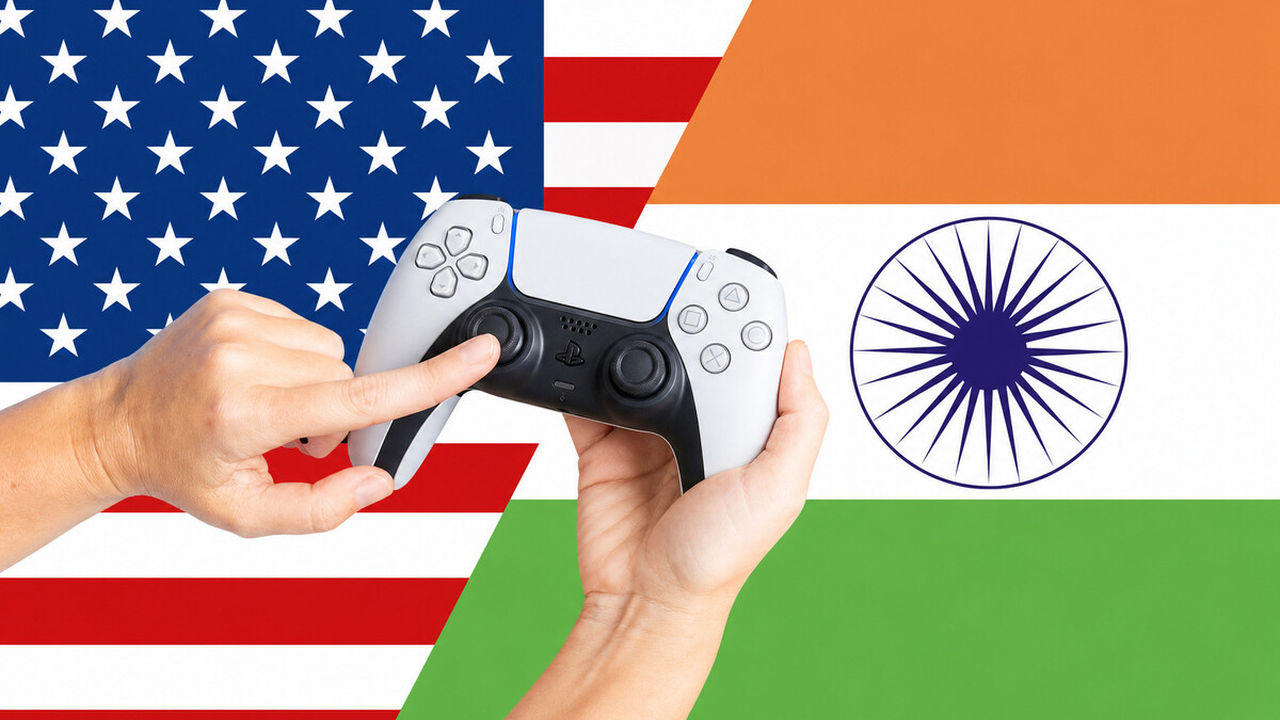
Indian studios may be able to produce technically competitive games for a fraction of the budgets required in the United States, potentially reshaping the global development landscape. According to the co-founder of AEOS Games, India could become both a crucial outsourcing hub for major publishers and a direct challenger to Western AAA studios.
AEOS Games co-founder Varun Mayya explained during an interview with Kiwi Talkz why he expects Indian developers to gain substantial ground on their American counterparts. As the director of Unleash the Avatar, described as the first AAA game developed in India, Mayya believes that the industry’s current production model has been undermined by budgets that have grown to unsustainable levels. “I think games are too expensive to make. Now, if the cost of a game drops from $100 million to $10 million, I think that changes a lot of things,” he said.
Mayya estimates that direct development would account for only around one quarter of a $10 million Indian production budget. In practical terms, that would mean spending approximately $2.5 million on the actual creation of a game capable of approaching the technical and visual quality of a Western release. He expects this cost difference to produce two immediate effects: a sharp rise in development work outsourced to India and a greater number of fully Indian-made games able to pass at least part of their savings on to customers.
Indian studios are already launching titles for roughly $25 or $30 that, in Mayya’s view, contain as much care, content and creative effort as many games priced at $70 or $80. Lower production expenses will not necessarily translate into cheaper products in every case, however. A Western publisher could contract an Indian company to create animations, artwork or visual effects, reduce its own costs considerably and still release the finished title at the usual premium price of €70 or €80.
India Could Evolve From Outsourcing Partner to Direct Competitor
Two related trends may therefore accelerate over the coming years. Large publishers could assign a growing number of AAA tasks to Indian teams, while local studios begin challenging major Western releases with far more aggressive pricing. A project such as Unleash the Avatar could conceivably arrive in Europe for approximately €50, while an American game of comparable scale might cost €70 or €80. India’s increasing importance is already visible elsewhere in the industry, with Rockstar India reportedly employing around 1,600 developers on Grand Theft Auto VI.
Mayya believes it is only a matter of time before Indian studios stop restricting themselves mainly to local themes and cultural settings, although several artistic and technical barriers remain. He highlighted Fab, the Unreal Engine asset marketplace, where developers can find hundreds of resources based on Japanese or Western aesthetics but very little high-quality material representing Indian architecture, objects or environments. AI-generated alternatives are available, but Mayya described those assets as “like garbage.”
AEOS Games consequently turned to photogrammetry, scanning real locations, surfaces and objects instead of depending on low-quality or culturally inaccurate digital packs. Mayya imagines a future in which a creator sitting anywhere in the world can devise an ambitious concept and a compelling set of mechanics, then assign much of the technical production to an Indian studio. Other individuals or teams could remain focused on the core idea, design and creative direction while the Indian partner handles implementation at a considerably lower cost.
Under that model, the person behind the original idea could benefit most from the savings by completing a project with far less capital than a conventional Western production would demand. Mayya nevertheless emphasized that game development cannot be reduced to a collection of inexpensive software tasks because it still depends on extraordinary creative talent. “Games aren’t traditional software; they still require exceptional amounts of creativity,” he said, adding: “It’s easy to print words on paper, but you still need someone like J.K. Rowling thinking about the next Harry Potter, building that fictional world in her mind.” India may dramatically reduce the cost of production, but no development model can replace original ideas, convincing world-building and a strong creative vision.
Source: 3DJuegos















Leave a Reply