
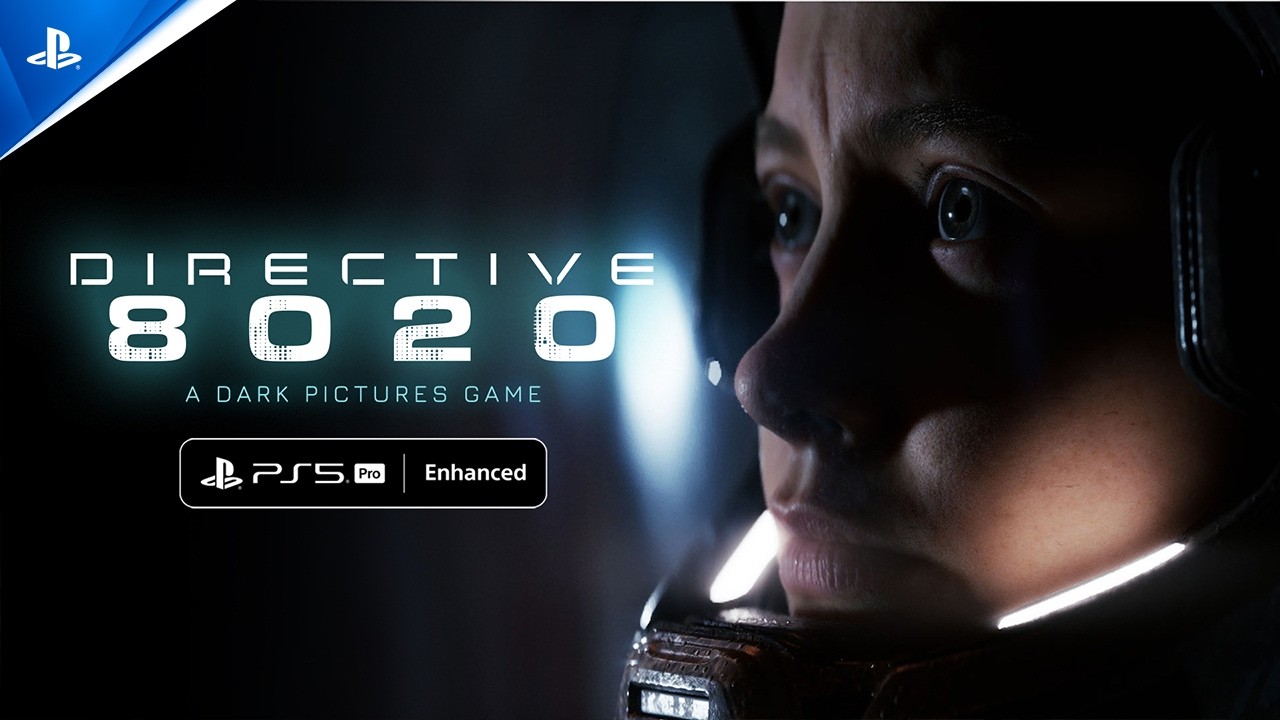
This is the third round of layoffs, which could result in the loss of up to 75 jobs at the studio.
Supermassive Games, the independent British studio behind Until Dawn, The Quarry, and The Dark Pictures Anthology, has announced a further round of job cuts that could affect up to 75 employees. The layoffs come less than three months after the release of Directive 8020, marking the studio’s third round of job cuts in under three years. “We have made the difficult decision to begin a redundancy consultation process, which we anticipate will result in the loss of up to 75 of our colleagues. This is a necessary step to help ensure the sustainability of the company. We know this will be an incredibly difficult time for everyone, and our priority throughout the process will be to provide support to all those impacted,” Supermassive Games wrote on Twitter.
A statement from Supermassive Games. pic.twitter.com/Sy5i7iB59Z
— Supermassive Games (@SuperMGames) August 11, 2026
While the announcement does not directly blame Directive 8020 for the layoffs, the sci-fi horror game’s exact financial results have not been disclosed. However, the timing suggests that the latest round of layoffs is occurring during a challenging period for Supermassive, given that the studio has already downsized its workforce twice since early 2024. Directive 8020 was originally scheduled for release on 2 October 2025, but Supermassive delayed the game to the first half of 2026 while announcing layoffs of up to 36 employees. At the time, the developer stated that it was adjusting the team’s structure in response to challenging market conditions, and that it needed more time to deliver the best possible experience to players. The game was finally released on 12 May for PlayStation 5, Xbox Series, and PC. It is the first Dark Pictures game to adapt the horror anthology formula to a sci-fi setting: players find themselves aboard the colony ship Cassiopeia after it crashes on the distant planet Tau Ceti f.
The concept enabled Supermassive to move beyond the familiar haunted houses and rural isolation. Rather than facing ghosts, cultists or supernatural killers, players had to contend with an alien threat and the possibility that any crew member could be in danger — a concept inspired by John Carpenter’s film The Thing. However, this ambition did not result in a clear breakthrough. While critics generally received the game more favourably than players did, opinions remained mixed nonetheless. On review aggregation sites, the title averaged around 7/10, while on Steam, approximately 63% of reviews were positive. The clearest indication of the game’s public performance comes from Steam. According to SteamDB, Directive 8020 reached its peak on 12 May, the day of its release, with 3,072 concurrent players. The game later dropped to a few hundred concurrent players, according to available snapshots, suggesting a relatively limited PC player base following its release.
Of course, this doesn’t paint a full picture of sales. Nevertheless, the modest interest from PC gamers, mixed player feedback and lack of publicly announced sales milestones make it difficult to consider the game a significant commercial success. While the game’s $50 price tag and potential future discounts may help sustain sales in the long term, early signs are not particularly encouraging. The latest round of layoffs follows the departure of Supermassive CEO Pete Samuels, who stepped down in June, roughly six weeks after Directive 8020 was released. Samuels said it was an honour to lead the studio during a period of intense change. However, his departure further reinforces the sense that Supermassive is in the midst of a major internal transformation. The developer previously cut approximately 90 positions in February 2024, followed by a round of layoffs in July that affected up to 36 employees. The latest potential round of layoffs, affecting 75 positions, would mark the studio’s third wave of layoffs in less than three years.
While this trend reflects the general instability affecting the gaming industry, Supermassive’s recent problems also appear to be linked to the risks inherent in its own production model. The studio has built its identity around cinematic, choice-driven experiences that require a large (and expensive) cast, motion capture, detailed environments, branching content and long development cycles. Producing these games can be costly, and their sales depend heavily on visibility at launch and word of mouth.
The studio also worked on Little Nightmares III for Bandai Namco, which deviated somewhat from their usual style. Even that game, however, failed to receive a positive reception. Supermassive may therefore need a fresh start.
Source: WCCFTech





![Moon Studios Has Postponed the Release of No Rest for the Wicked! [VIDEO]](https://thegeek.games/wp-content/uploads/2024/04/thegeek-no-rest-for-the-wicked-2024-302x180.jpg)

![Dragon’s Dogma II: Dark Arisen: Major Free Update Ahead of the DLC [VIDEO]](https://thegeek.games/wp-content/uploads/2026/09/dragons-dogma-dark-arisen-1280x720-2-302x180.jpg)



Leave a Reply