
TECH NEWS – The international PC market shrank by a surprisingly large margin in just one year, though there is still room for growth in the x86-based machine segment.
Memory shortages and continuous price increases have plagued the PC segment, leading to a significant decline in consumer interest and a drop in total shipments. According to the latest data from IDC, the PC market experienced a 4.9% year-over-year decline in the second quarter of 2026. Total shipments reached only 68.2 million units, marking the first decline after nine consecutive quarters of growth. The memory shortage was the primary cause of this downward trend, but other factors, such as geopolitical issues and rising component prices, also impacted the segment. Despite the decline in shipment volumes, PC manufacturers were able to increase revenue by raising prices, even as demand fell.
Jitesh Ubrani, IDC’s research director for consumer devices, says the key is the discrepancy between units and dollars. Shipments are falling, but revenue is rising because manufacturers are raising prices faster than demand is declining. Due to deteriorating macroeconomic conditions and the memory shortage, which is not expected to ease until early 2028, another round of inventory buildup is not likely, pointing to a sudden slowdown in growth in the second half of 2026. Manufacturers are preparing for further price increases by 2027, while distribution channels are already expressing concern about inventory buildup at higher price levels.
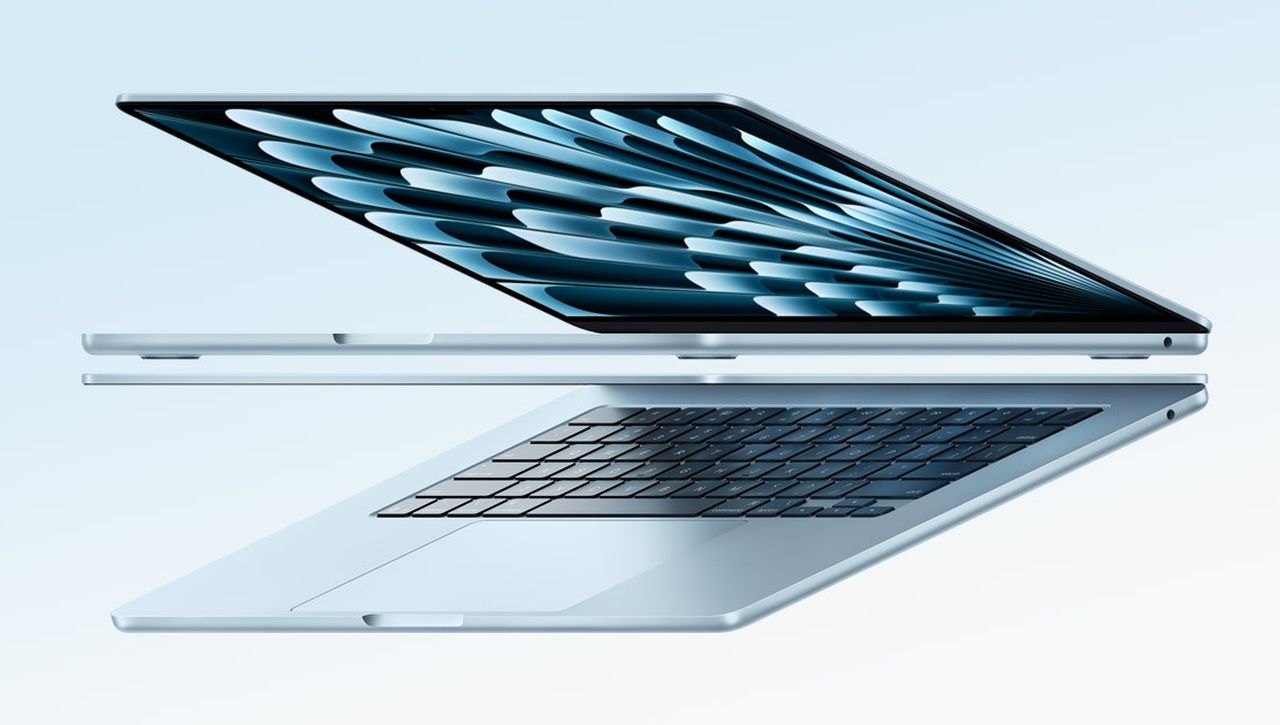
In the second quarter of 2026, Lenovo secured the largest share of shipments with 16.6 million PCs (down 2.1% from last year). HP shipped 13.0 million units (down 9% from last year), Dell shipped 9.3 million units (down 5% from last year), and Asus shipped 5 million units (unchanged from last year). Other PC manufacturers shipped a total of 17.5 million units, a 10.5% decline from the 19.6 million units shipped in the second quarter of 2025. Apple was the only PC manufacturer to increase its shipments by 10.1%. The company shipped 6.7 million units, indicating strong interest in its latest Mac products, such as the MacBook Neo.
Apple’s ability to increase shipments despite facing cost pressures and rising component and memory prices shows that products can be successful during difficult times. Although the price of the MacBook Neo has risen, it continues to sell well. At CES and Computex, various x86 manufacturers unveiled their latest product lines, focusing on the budget segment. Dell, HP, Lenovo, and Asus launched PCs with Intel’s latest Wildcat Lake Core Series 3 chips to compete with the MacBook Neo. AMD’s updated models also offer a competitive price-to-performance ratio. However, it seems that x86 manufacturers have struggled to launch their latest PC series and capture the public’s attention.
Another issue is availability. We haven’t seen many of these products in retail channels yet. Although Intel Core Series 3 laptops were expected to be widely available, only a few models are currently listed online, and many are still pending shipment. Sales of older Core 2 and Core 1 series products have also increased, but the prices haven’t reached an attractive level yet. The chips themselves are not the issue; currently, availability and prices are the main factors. Apple is doing everything in its power to secure additional memory supplies and is even lobbying the U.S. government to allow the import of Chinese memory chips.
x86 PC manufacturers need to rethink their strategies because waiting until 2028 will not be a viable solution. Growing demand for AI and the on-premises computing capacity needed to handle higher cloud subscription costs could spark consumer interest. However, if PC manufacturers do not adopt bolder strategies, PC upgrade cycles could be seriously at risk, which could lead to a further decline in shipments.
















Leave a Reply