
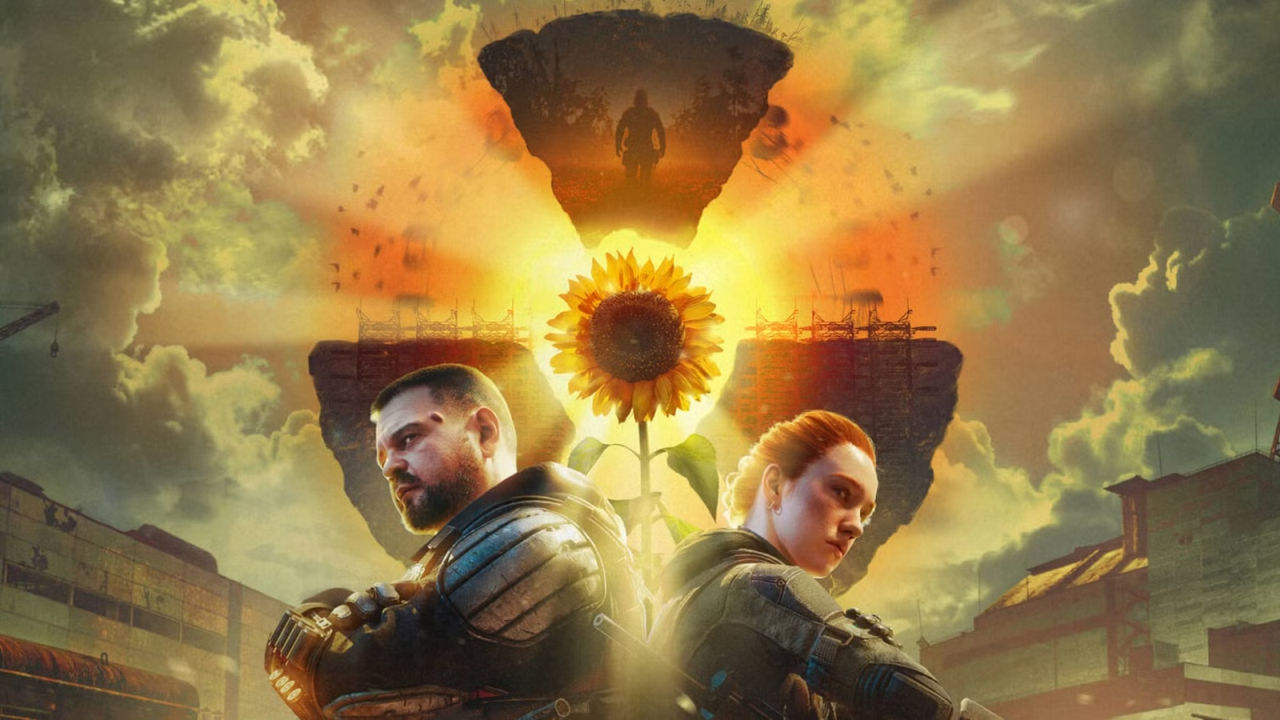
REVIEW – When S.T.A.L.K.E.R. 2: Heart of Chornobyl launched, it was sometimes difficult to tell whether the anomaly was supposed to be inside the Zone or whether the game itself had just wandered into one. Nearly two years of patches later, GSC Game World sends us back with its first major expansion, Cost of Hope, alongside the free Update 2.0, and the difference is substantial. The world feels more alive, combat is cleaner, A-Life finally resembles the system that helped make the old trilogy special, and the new regions are more than a guided nostalgia tour. Bugs remain and Duty and Freedom occasionally have more personality as ideologies than the people representing them, but for the first time S.T.A.L.K.E.R. 2 really feels as though it is growing into the Zone it always wanted to simulate.
At launch, S.T.A.L.K.E.R. 2 was both spectacular and mildly absurd. The Zone looked fantastic, firefights had weight, and abandoned industrial sites, rusting machinery and radioactive wilderness instantly restored that peculiar attraction that has always separated this series from ordinary open-world shooters. At the same time, A-Life often seemed more like an enthusiastic job description than an actual simulation, while NPCs occasionally performed feats that not even the Zone’s flexible interpretation of physics could convincingly explain.
GSC Game World thankfully did not respond by shrugging and opening preorders for a third game. Patch followed patch, and Update 2.0 is now a genuinely substantial overhaul. Cost of Hope arrives on top of that stronger foundation and integrates directly into the main campaign instead of appearing as a separate DLC theme park from the main menu. Its story begins well before the end of Skif’s journey and concludes around the middle of the base campaign.
The expansion contains more than twenty hours of new material, although that number depends heavily on whether you possess the rare ability to walk directly toward an objective marker. In S.T.A.L.K.E.R., asking how quickly you can complete something is a little like asking how long it takes to have one drink in a bar. The theoretical answer is simple. Then it is two in the morning, you have made three new friends and somehow acquired a suppressed assault rifle.
Duty and Freedom Still Cannot Stand Each Other
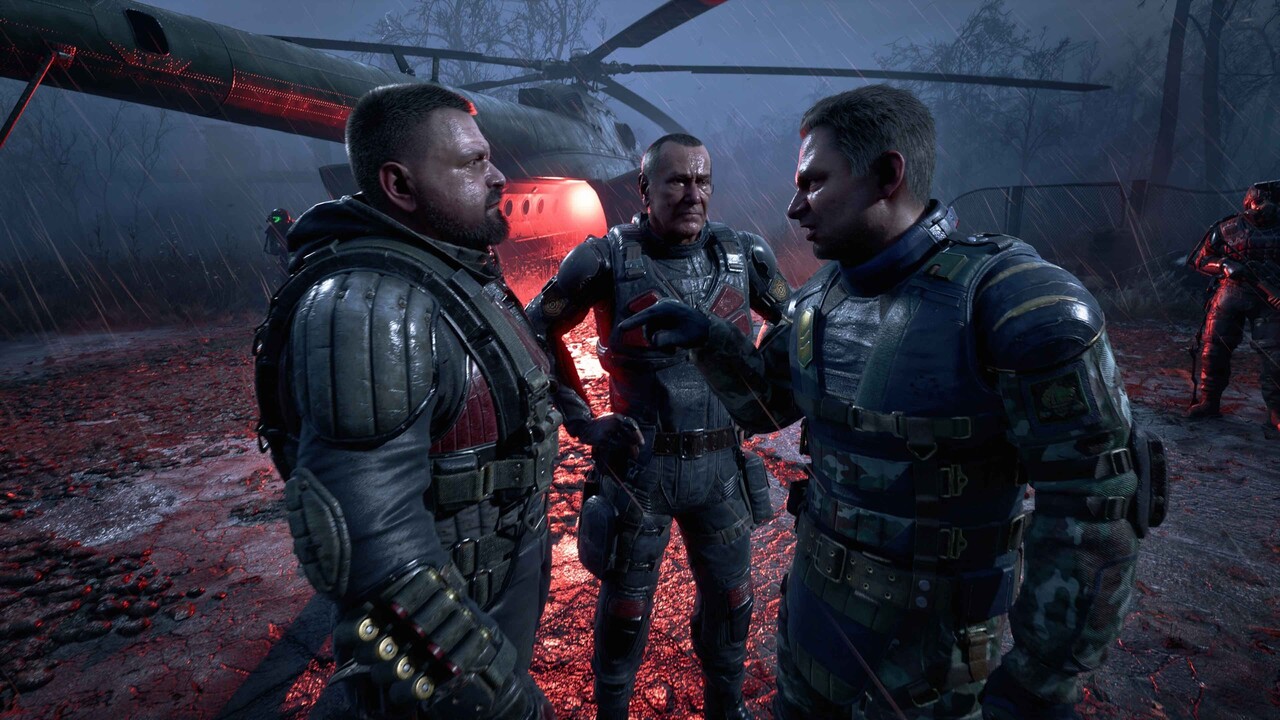
Cost of Hope brings two of the series’ oldest factions back to the center. Duty believes the Zone needs to be contained, studied and ultimately controlled before it decides Ukraine is no longer enough territory for its ambitions. Freedom still sees possibility where Duty sees catastrophe and argues that humanity should not necessarily lock something away merely because it occasionally tears people apart, levitates household objects and treats several accepted laws of physics as optional.
The D4 Treaty forced the two sides into an uneasy coexistence for years, with approximately the stability you would expect from placing two divorced people in the same holiday apartment with one television. By the beginning of the expansion, that arrangement is falling apart, and Skif naturally arrives just as both factions begin remembering that assault rifles are much faster than political debate.
The ideological argument remains compelling, but the people involved do not always match it. Several NPCs can be almost entirely summarized by the logo on their uniform. The game attempts to complicate matters with half-truths, questionable motives and missions where neither side deserves automatic trust, yet some of the eventual consequences feel lighter than the setup promises.
One important point is that Cost of Hope tells its own story. Decisions made earlier in the base campaign do not rewrite the expansion. Choices made inside the DLC itself do matter, however, and eventually Skif has to take a side. The Zone still does not offer a comfortable option labeled “remain friends with everyone.” Keep trying and sooner or later everybody simply starts shooting at you, which at least simplifies the decision.
Familiar Places Without the Museum Tour
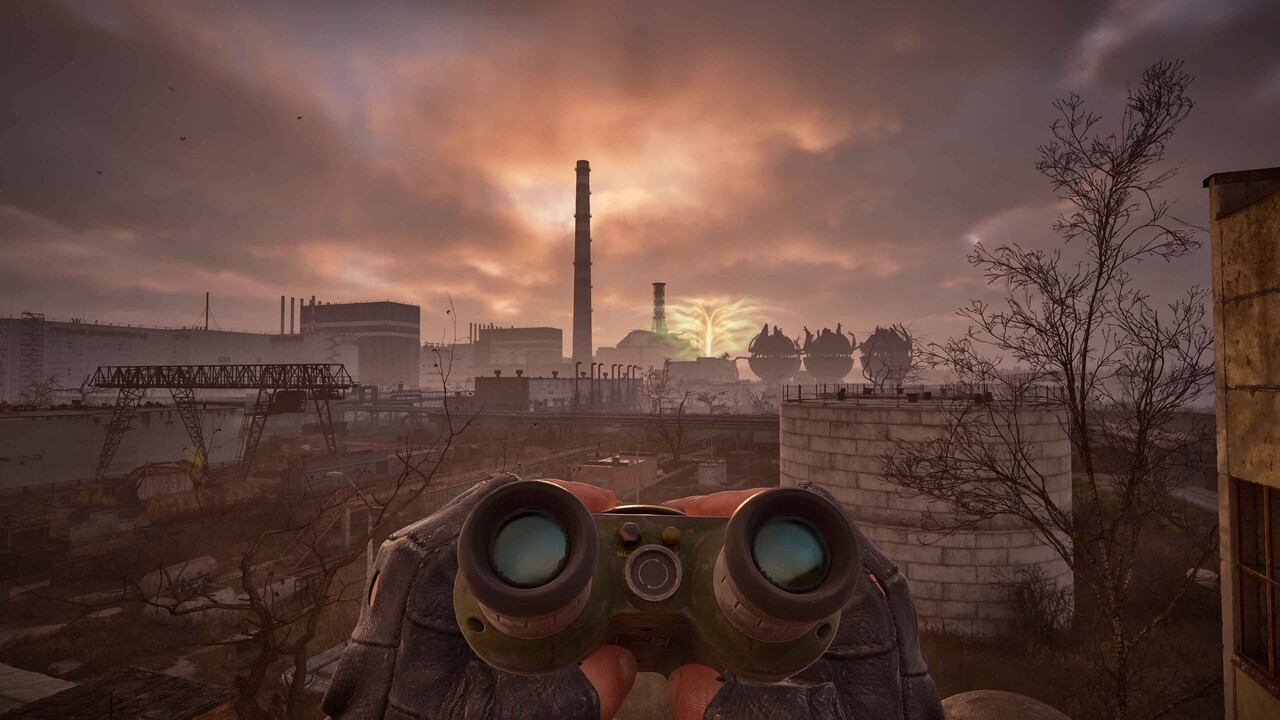
The new regions are the strongest part of the expansion. Iron Forest and the Chornobyl Nuclear Power Plant carry enormous weight for longtime fans, but GSC wisely avoids simply rebuilding old maps with better textures and calling it an anniversary celebration. These places have changed, decayed and been reshaped by the Zone.
The result feels nostalgic without becoming dependent on nostalgia. A veteran may recognize a structure or landscape and then discover five minutes later that routes, threats and environmental conditions no longer behave the way memory suggests. That is a much better way to reference the old games than grabbing the player by the shoulders and shouting, “REMEMBER THIS FROM 2007?”
The environments also feel denser than many of the broad stretches in the original campaign. Terrain plays a greater role in combat and exploration, while a seemingly harmless detour can still become a forty-minute private expedition. You spot a ruined building, decide to check it for two minutes, and half an hour later you are trapped near an anomaly with three bullets left and no recollection of what the original mission was.
A-Life Finally Feels Like More Than a Promise
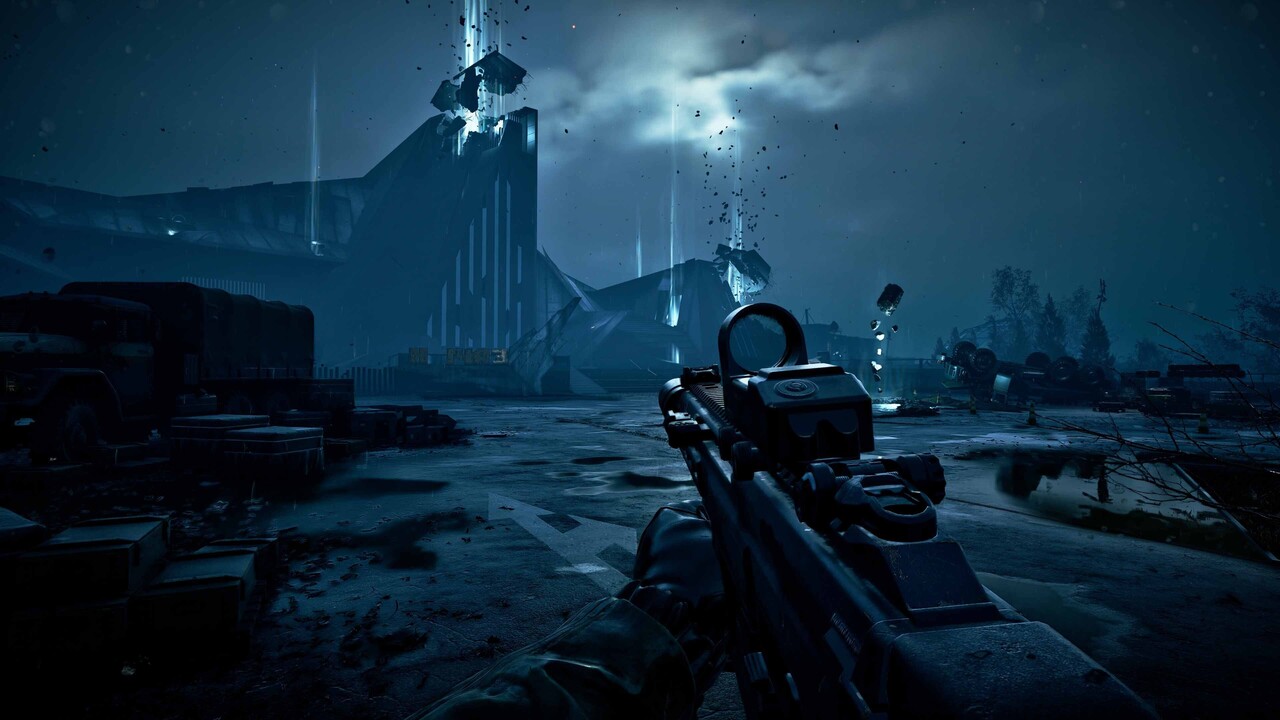
Update 2.0 continues the overhaul of A-Life, one of the defining systems of the original trilogy. Those games felt special because the Zone never seemed to exist solely for the player. Stalkers traveled, mutants attacked, factions fought, camps changed hands and people died whether or not you were standing nearby to supervise the event.
S.T.A.L.K.E.R. 2 now produces far more of those moments. Gunfire can draw you toward a battle already underway, patrols cross paths with bandits or mutants, groups occupy locations and stalkers loot corpses even when Skif is not standing there to make sure everyone follows procedure. The world finally spends less time waiting politely for the player to enter the scene.
It is not flawless. Some NPCs still occasionally suggest that the next stage of human evolution involves partial movement through concrete, and AI can produce moments best accepted without further investigation. The difference is that these now feel like errors inside a functioning system rather than the system itself.
Fog Is Finally More Than Scenery
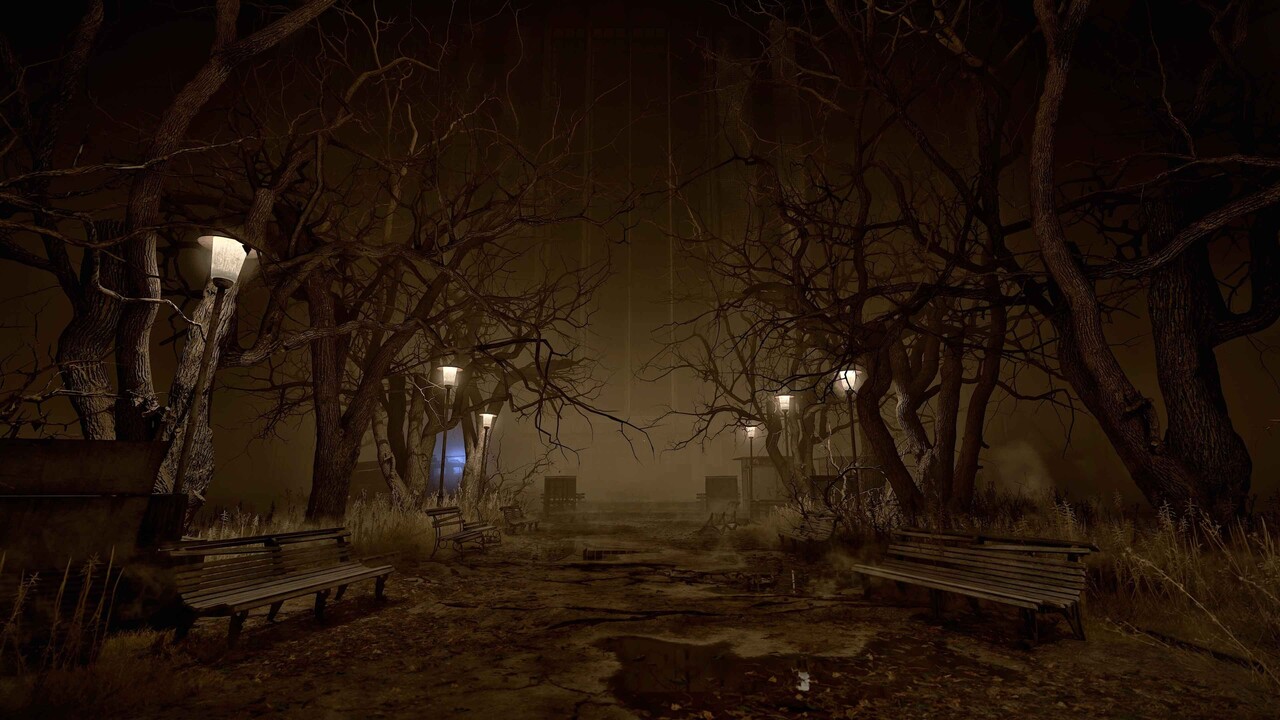
One of the simplest and most effective changes is the way fog affects play. It is no longer just a gray visual filter applied so everyone can admire the atmosphere. Fog reduces visibility and perception, making humans and mutants much harder to spot before they become immediate problems.
Fortunately, the limitation applies to enemies as well. Poor weather can therefore create opportunities to sneak closer, bypass a patrol or disappear before everybody decides the ammunition in your backpack would be happier with a new owner. Stealth benefits significantly, and familiar open terrain feels completely different when you cannot clearly see what is twenty meters ahead.
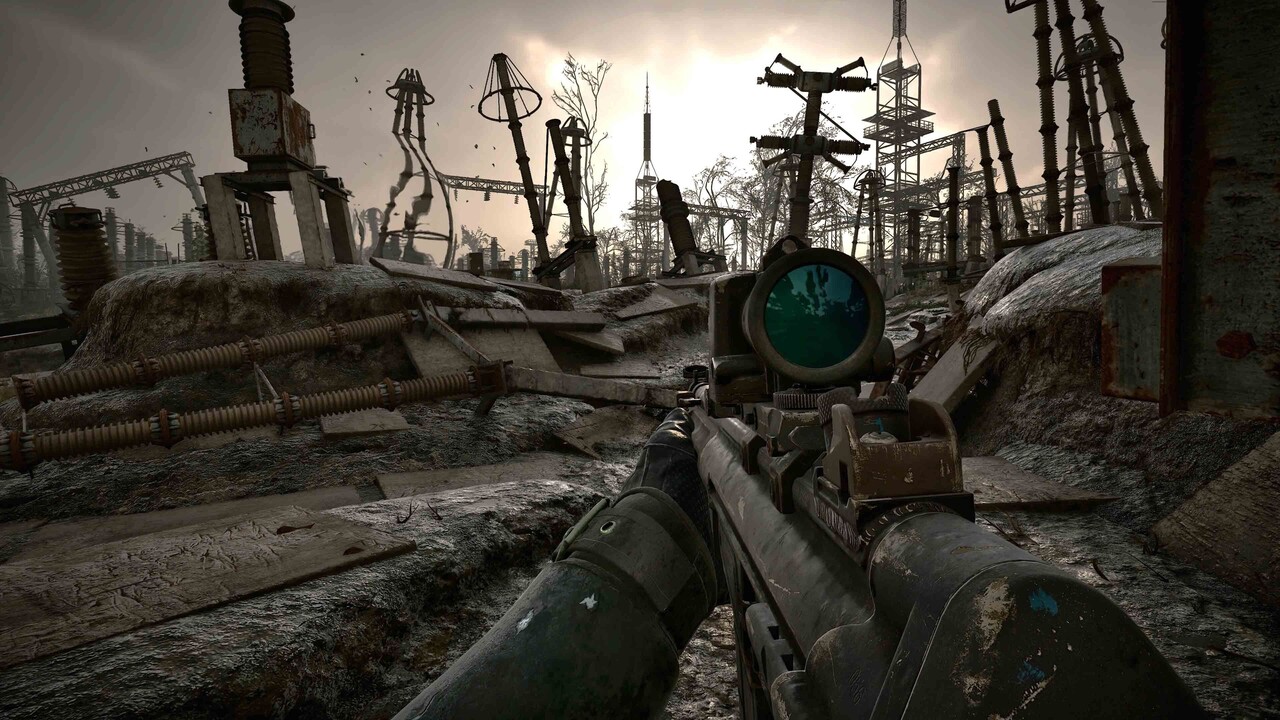
Gunplay feels more refined as well. Movement, aiming and recoil have fewer rough edges, while the expansion includes twelve new weapon variants rather than simply dumping another pile of statistically interchangeable rifles into the inventory. Naturally, the ancient S.T.A.L.K.E.R. disease immediately returns: every interesting weapon must be carried until Skif starts moving like somebody secretly strapped a washing machine to his back.
Update 2.0 Is Not Part of the DLC Price
This distinction matters because Cost of Hope and Update 2.0 arrived together, but they are not the same product. Revised lighting, foliage, A-Life improvements, the engine upgrade, binoculars, custom difficulty options and numerous technical changes are free for every S.T.A.L.K.E.R. 2 owner. It would therefore be dishonest to praise the paid expansion because objects are finally less likely to hover ten centimeters above the floor.
The value of Cost of Hope comes from its campaign, new regions, additional locations, weapons and Duty-Freedom storyline. It undeniably benefits from being built on a base game that has spent almost two years improving. After Update 2.0, the Zone is more stable, denser and simply more enjoyable to inhabit.
Bugs remain. This is S.T.A.L.K.E.R.; if everything worked with sterile perfection, I would probably check whether I had launched the correct game. What matters is that technical problems interrupt the experience less often, leaving us free to become annoyed because a bloodsucker ate our face rather than because a quest giver disappeared behind the geometry.
The Missions Still Enjoy Sending You for a Walk
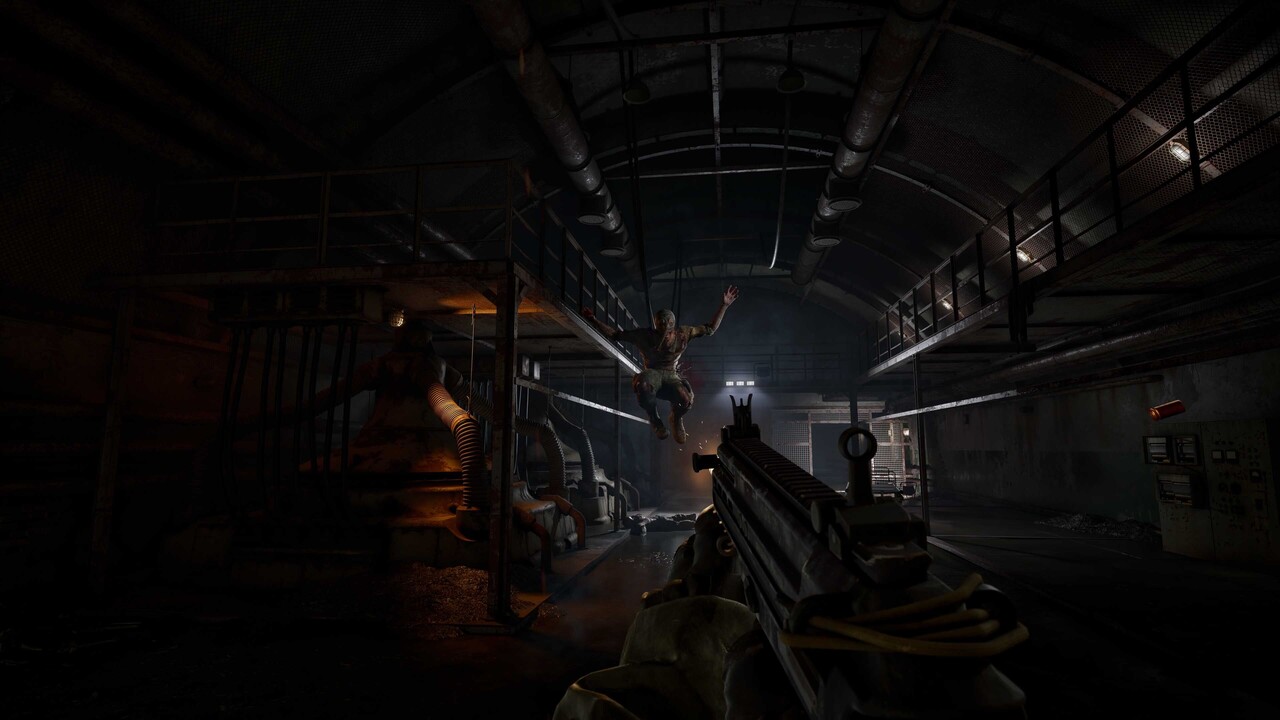
The fundamental mission structure has changed less. Skif still travels somewhere, talks to somebody, retrieves something, shoots several people and then returns to the person who is inevitably waiting in the safest building on the opposite side of the map. If reliable courier services are ever invented in the S.T.A.L.K.E.R. universe, its entire economy may collapse overnight.
The better missions compensate with faction politics and unreliable information. You often cannot be certain whether a quest giver is telling the truth, and who you help or how you approach a job can genuinely shape later events within the expansion. The story begins strongly, although its integration into the larger campaign can cause it to lose some momentum in the middle.
Rewards remain mostly weapons, armor, ammunition, medicine and survival supplies. That is not especially imaginative, but it fits this world because a good rifle or useful piece of equipment actually matters. You do not break into a locked room hoping for purple trousers with +3 charisma. You do it because perhaps the next mutant will have a slightly harder time eating you.
Now There Is a Good Reason to Return
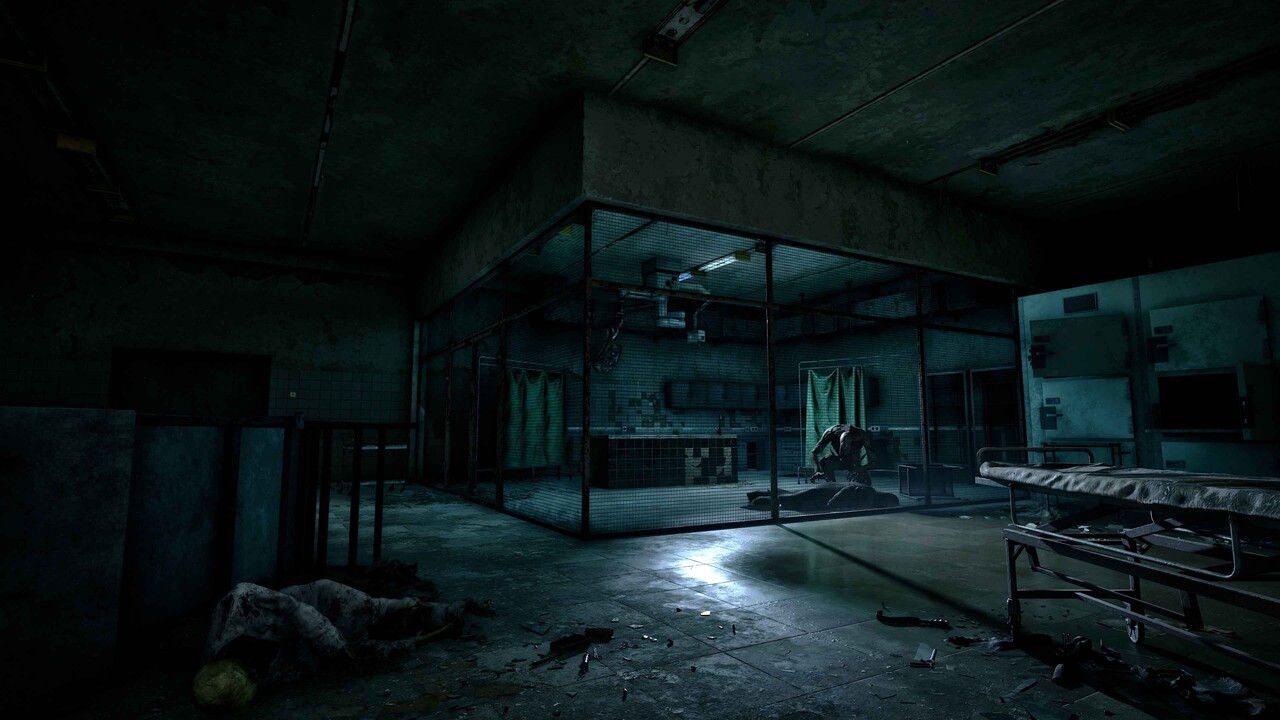
Cost of Hope does not attempt to reinvent S.T.A.L.K.E.R. Instead, it restores more of what made the series so easy to disappear into: unpredictable encounters, dangerous exploration, factions nobody should completely trust and places where too much silence is enough to make you nervous.
The characters could be deeper, several decisions could hit harder, and the Zone still treats a two-kilometer hike as though somebody merely asked you to pop next door. None of that changes the fact that S.T.A.L.K.E.R. 2 is now a substantially better game than it was at launch. The expansion arrives at exactly the right time to demonstrate that improvement.
As usual, the best moments are not necessarily the ones carefully arranged by a quest designer. You hear gunfire somewhere in the fog, leave the road, walk into somebody else’s battle, find a weapon you never intended to search for, and twenty minutes later wonder how you are going to reach camp alive. When S.T.A.L.K.E.R. works like this, very few games can imitate it.
The Zone remains hostile, unpredictable and full of things that clearly have no place in the human food chain. It is simply much better to be there now.
-Gergely Herpai „BadSector”-
Pros:
+ New and returning regions work beautifully beyond simple nostalgia
+ A-Life, fog and improved gunplay make the Zone considerably more convincing
+ A substantial expansion with more than twenty hours of content and its own identity
Cons:
– The factions are sometimes more interesting than the characters representing them
– Missions still send Skif on too many lengthy walks
– A-Life and performance are much improved, but a few old problems survived 2.0
Publisher: GSC Game World
Developer: GSC Game World
Genre: Open-world survival FPS / story expansion
Release: August 20, 2026 – PC, PlayStation 5, PlayStation 5 Pro, Xbox Series X|S
S.T.A.L.K.E.R. 2: Cost of Hope
Gameplay - 8.4
Graphics - 8.6
Story - 7.7
Music/Sound - 8.4
Atmosphere - 9.1
8.4
EXCELLENT
S.T.A.L.K.E.R. 2: Cost of Hope is not perfect, but it arrived at exactly the right moment. Its new regions, stronger A-Life, meaningful fog, cleaner gunplay and more than twenty hours of new material now sit on top of a S.T.A.L.K.E.R. 2 that is far closer to fulfilling its original promise. Strange NPCs, long hikes and technical anomalies still exist, but they are finally no longer the first things that come to mind when thinking about the Zone.

![An ex-Bethesda Dev Says Including More than 1,000 Planets in Starfield Was a Bad Decision! [VIDEO]](https://thegeek.games/wp-content/uploads/2025/09/thegeek-starfield-nagy-1-302x180.png)






Leave a Reply