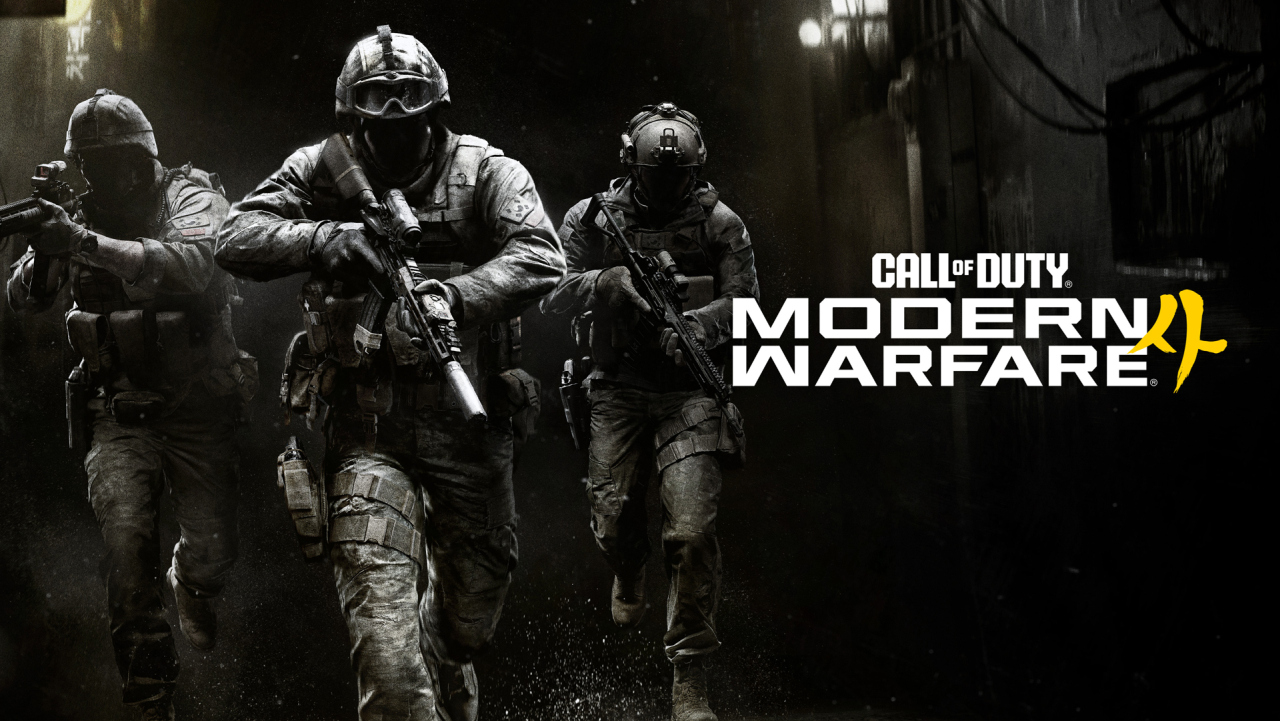
PREVIEW – Call of Duty: Modern Warfare 4 looks like one of Infinity Ward’s biggest swings yet: the campaign is built around a full-scale invasion of South Korea, Captain Price’s personal war from the shadows, and a new hero, Private Park, being shaped on the frontline, while multiplayer promises a cleaner, heavier, and fairer weapon feel than before. Based on the first multiplayer impressions and the details shared about the campaign and DMZ, Modern Warfare 4 does not look like a simple sequel, but a possible new entry point even for those who got off the Call of Duty treadmill years ago.
It is hard to have a simple relationship with Call of Duty. The series has delivered memorable campaigns, tight multiplayer moments, brutal online matches, and action scenes that burned themselves into players’ heads years ago and never really left. At the same time, it is hard to deny that for many people, the franchise has increasingly started to resemble an industrial assembly line: annual releases, a live-service ecosystem, seasons, bundles, menus, battle passes, Warzone connections, and the feeling that sometimes the game no longer wants to be a game at all, but an endlessly operated service. Game Rant’s preview writer approached the new entry from that same split position: he likes several parts of the series, but over the years has drifted away from it, partly from fatigue and partly because of the live-service machine built around it.
That is exactly why it is interesting that after trying Call of Duty: Modern Warfare 4, the usual cautious skepticism was not what stayed with him. Instead, the impression was that Infinity Ward’s new entry might actually be able to rekindle interest. Actual playtime was tied to multiplayer, while the campaign and the new DMZ were shown through developer presentations. That distinction matters, because the campaign’s final rhythm, the strength of the story, and the long-term depth of DMZ still cannot be directly judged. The material shown, however, gave a fairly concrete picture of what Infinity Ward is preparing: a more authentic, larger-scale, technically more refined, faster-reacting, and more readable Modern Warfare entry that wants both to reach back to the series’ roots and carry forward the modern Call of Duty systems.
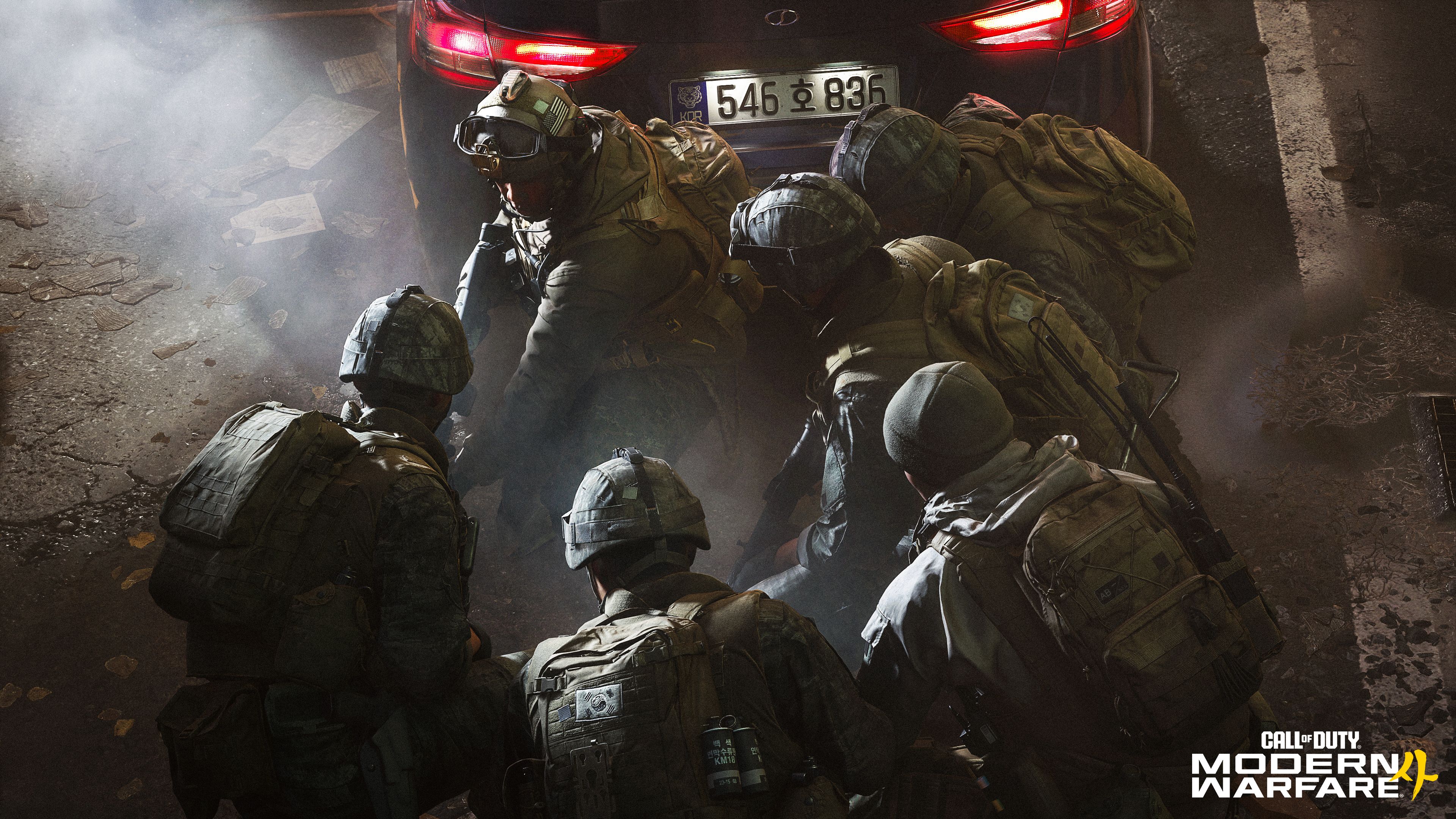
Call of Duty: Modern Warfare 4 launches on October 23, 2026, for PlayStation 5, Xbox Series X|S, PC, and Nintendo Switch 2. The previous generation is out: it is not coming to PlayStation 4 or Xbox One. This is not just a platform list, but a strategic decision. Infinity Ward and Activision no longer want to drag along the compromises of old hardware, and the developers connected that to larger scale, better detail, denser maps, cleaner combat readability, and more responsive gameplay. The official Call of Duty announcement emphasizes the same point: the game is being built natively for current-generation consoles and PC, promising greater scale, denser worlds, clearer engagements, and more stable moment-to-moment performance across every mode.
Korea Burns, Price Does Not Clock Out
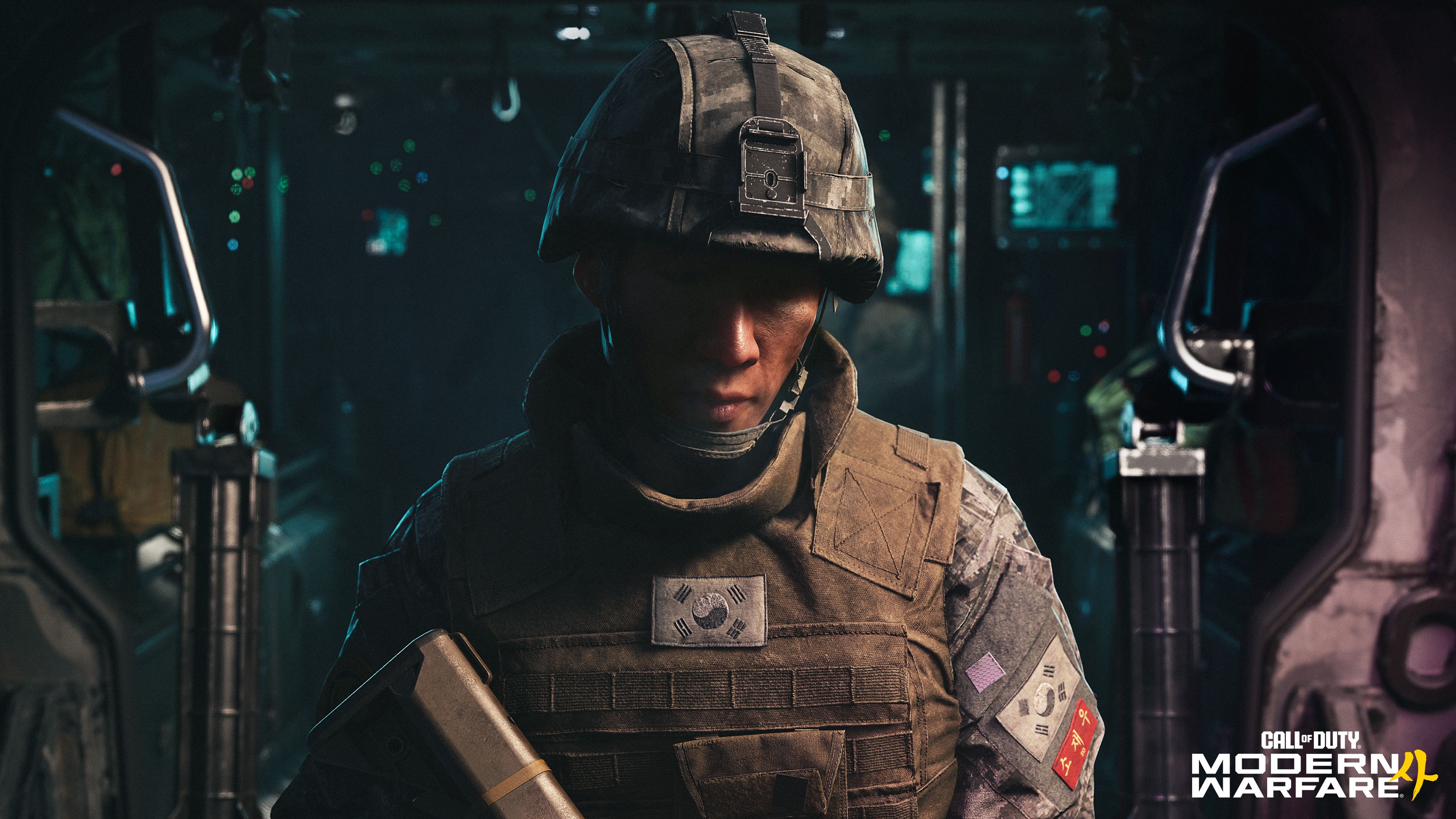
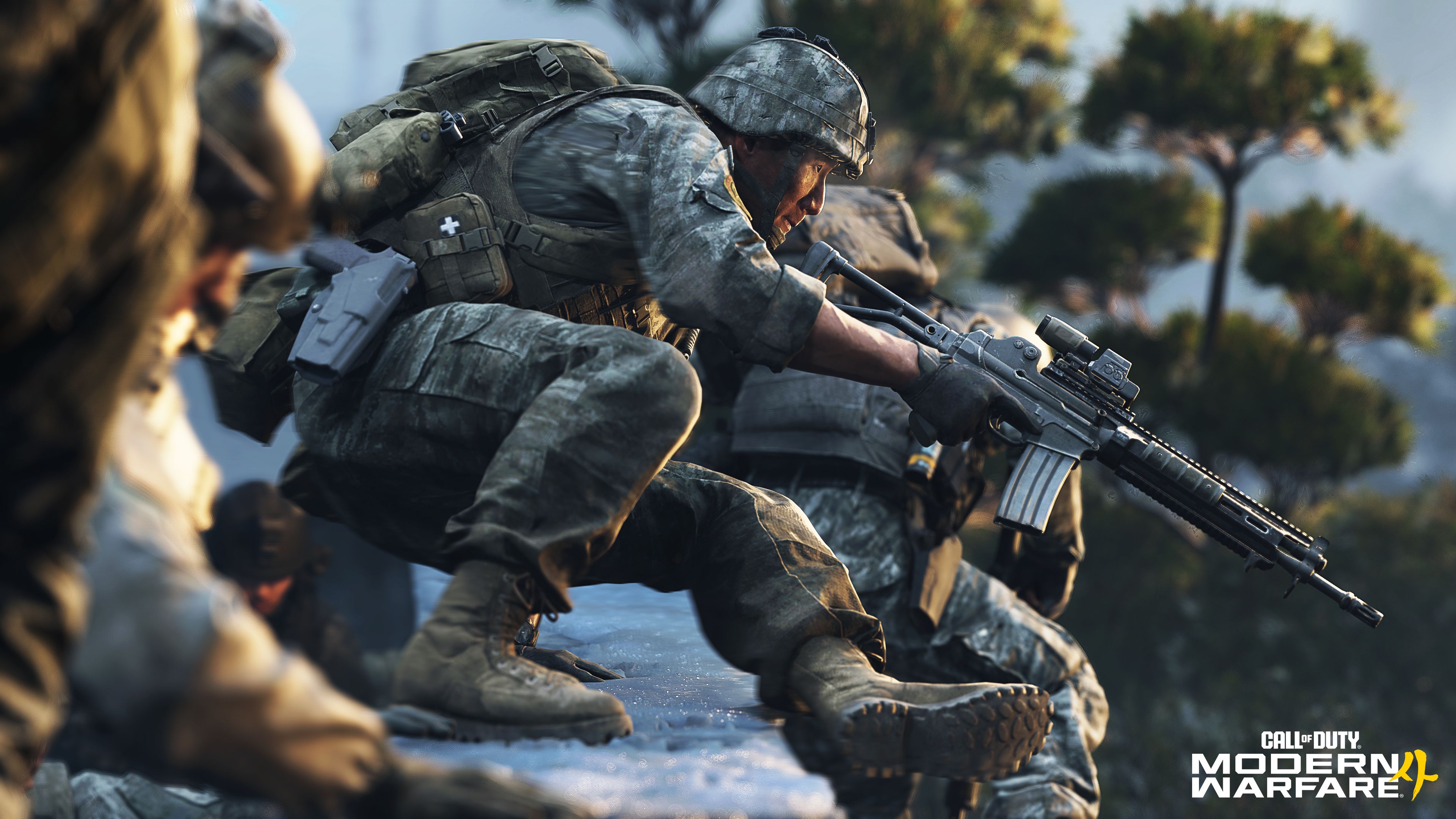
Based on the developer presentation, the campaign in Modern Warfare 4 is much larger in scale than what we have become used to from the most recent modern entries. At the center of the story is a full-scale invasion of South Korea launched by North Korea, while political tension, shadow operations, and outside interventions create a crisis that could easily expand into global war. Infinity Ward describes the story as a “ripped from the headlines” kind of fiction: it does not adapt a specific real-world event, but it wants to create a geopolitical setup that feels uncomfortably plausible in the current world. That has always been one of Modern Warfare‘s most dangerous territories. If it is too cautious, it becomes sterile military fantasy and loses its edge; if it is too direct, it can easily spark debate. Based on the current concept, Infinity Ward is knowingly taking that risk.
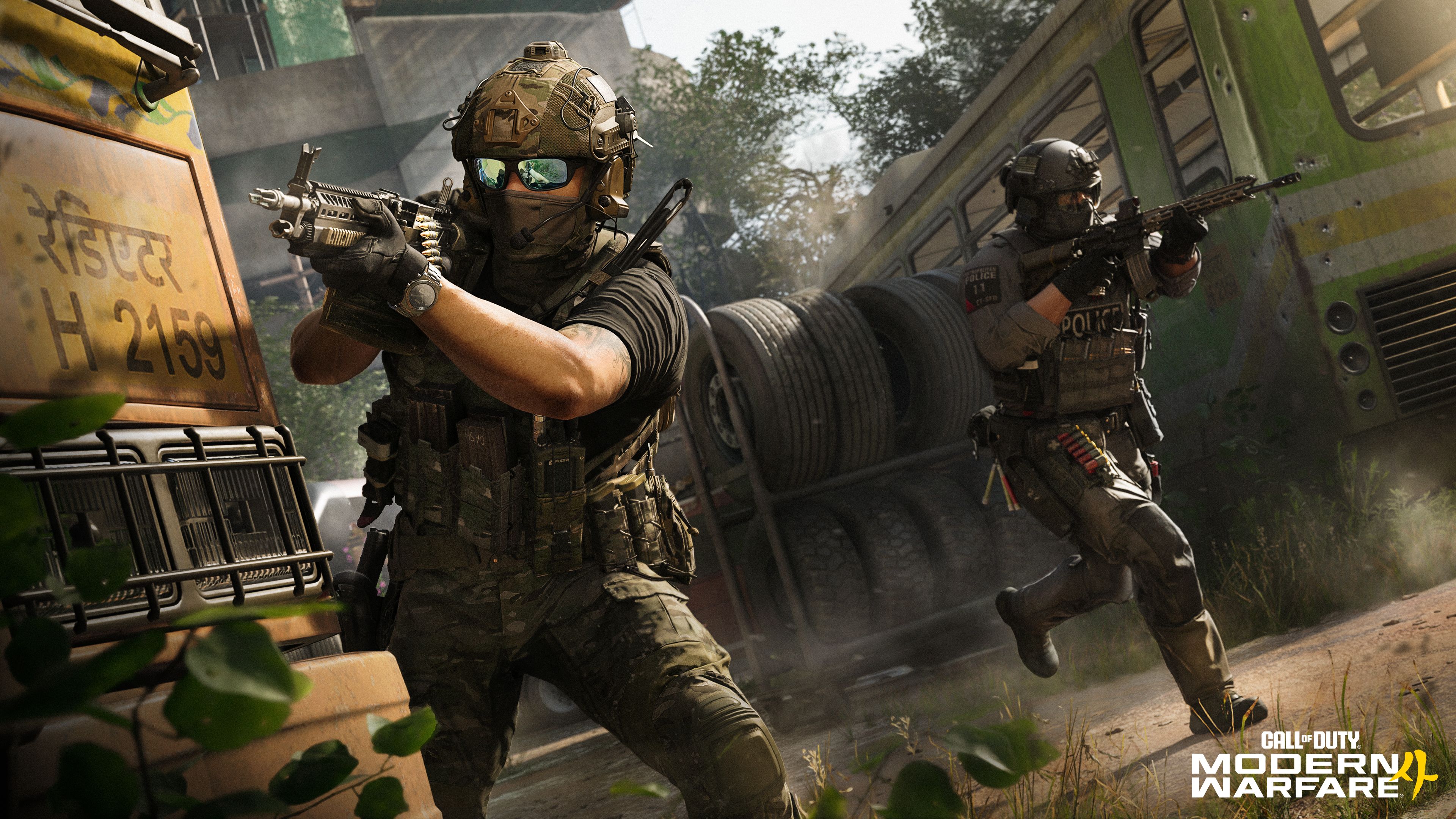
Among the new heroes is Private Park, a young South Korean private being deployed into real combat for the first time. The developers describe his story as a classic “zero to hero” arc: Park and his squad move from initial routine into a suddenly collapsing frontline, where they have to survive against odds that seem impossible. This is a significant shift compared with the recent Modern Warfare entries, which focused much more on the internal story of Task Force 141, special operations, and tensions between familiar characters. Modern Warfare 4, by contrast, seems to move back toward big war, the frontline, invasion, urban combat, and territorial recapture. That does not necessarily mean every mission will be a huge battlefield, but the emphasis clearly moves toward a larger military conflict.
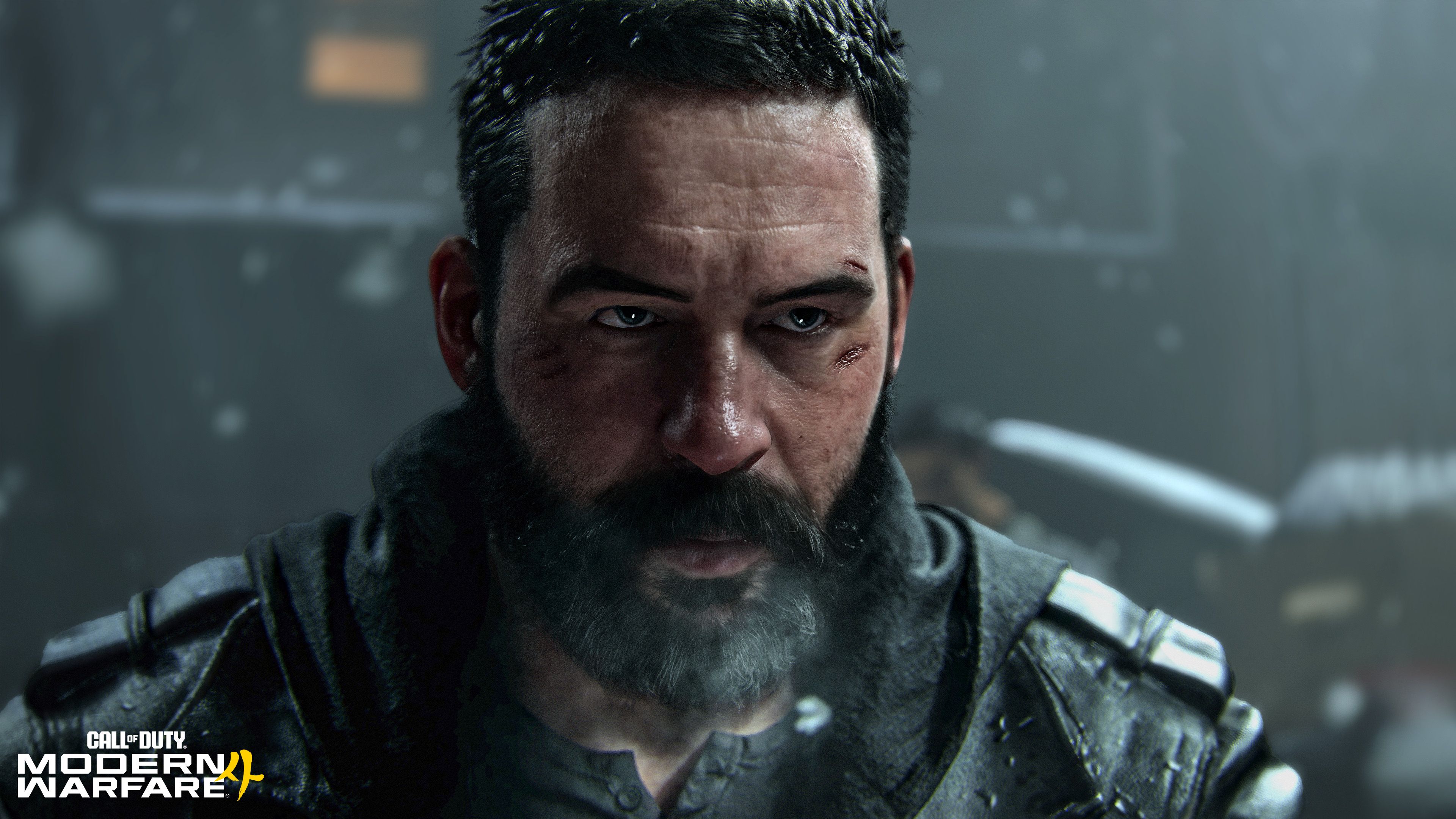
Captain Price also returns, but not in the usual role. Based on the presentation, Price is now operating outside the system, forming a kind of renegade alliance, and waging a personal war from the shadows while staying one step ahead of those hunting him. That gives an interesting counterpoint to Park’s story. Park is moving upward: from inexperienced soldier to survivor and then, possibly, hero. Price, on the other hand, seems to be moving downward: the iconic veteran figure is increasingly separating from institutional structures and his former team. In Game Rant’s interview, associate design director Alex Norris and narrative director Jeff Negus also said that the team had more creative freedom this time because Modern Warfare 4 had not previously existed in the series. There is no original numbered fourth entry to slavishly follow, so the developers can move the campaign in a bolder new direction.
When it comes to campaign size, Infinity Ward is promising a lot. According to the developers, this could be the biggest campaign in the Modern Warfare line so far. The missions will move through Korea, New York, Paris, Mumbai, and other locations, while the situations promise everything from trench combat and close-quarters fights to high-speed chases, SAS night raids, and urban recapture operations. The developers repeatedly returned to variety: they want every mission to have its own identity, rhythm, and stakes. That will be crucial, because Call of Duty campaigns work best when they are not just shooting arenas stitched together, but well-composed war episodes with their own character.
Faster Feet, Heavier Guns
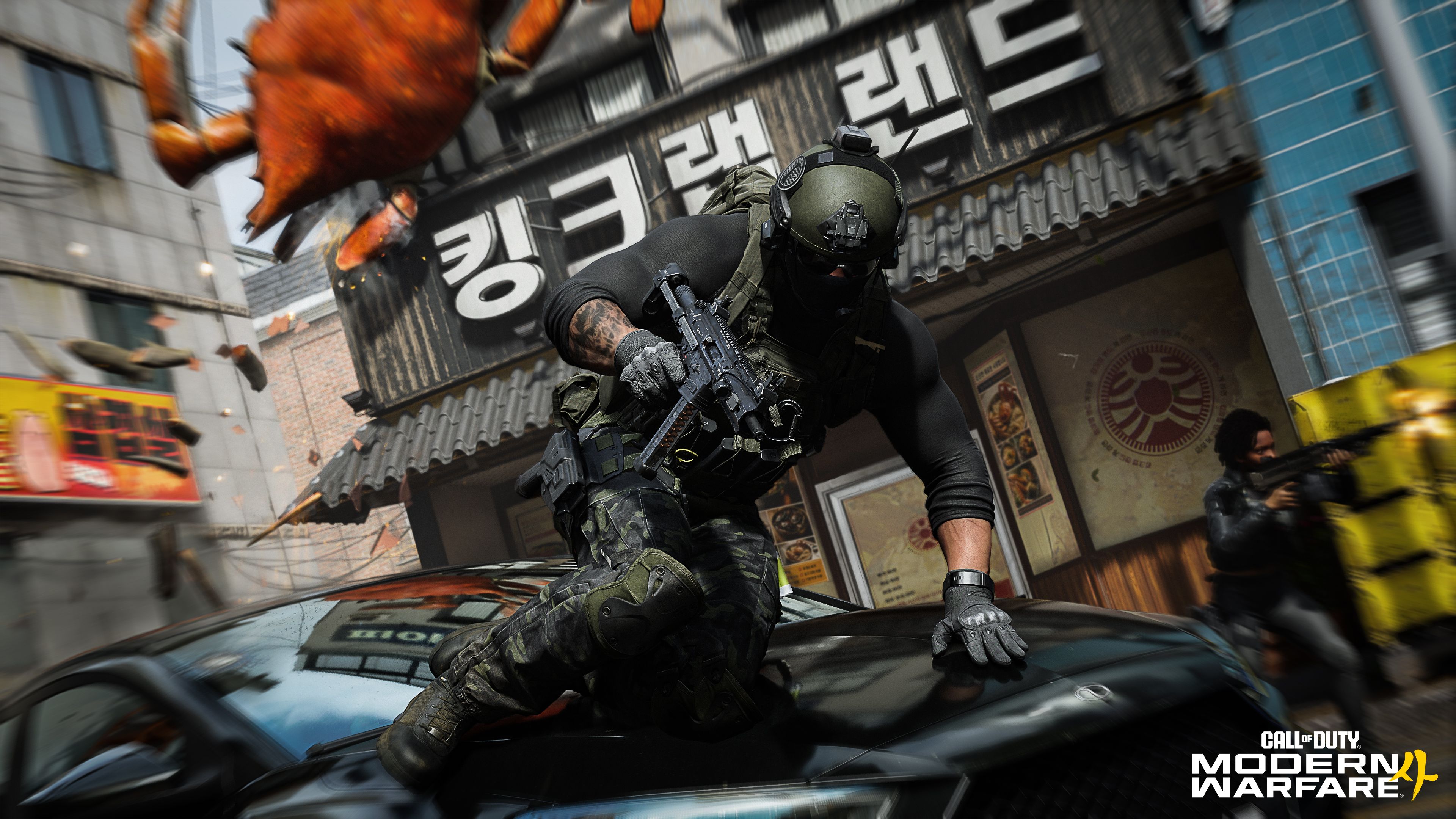
Based on the playable multiplayer, the first strong impression was movement. Infinity Ward talked a lot about rebuilding sliding, mantling, climbing, and the general traversal system so players feel more control over their character. According to Game Rant’s report, this came through in practice: vaulting over walls and objects felt almost seamless, and movement was extremely fluid. The writer went so far as to say he could not remember an FPS that moved this well. That is a strong claim, but the point is not that Modern Warfare 4 suddenly becomes a parkour game, but that movement does not get in the player’s way and instead naturally serves the fight.
It is important, however, that none of this makes the game feel weightless. According to the report, the weapons felt heavy, punchy, and responsive, and firing feedback was one of the preview’s biggest positives. Visual and audio feedback helped make the shooting more readable: the writer felt that what he aimed at was what he actually hit. For a series whose multiplayer is often accused of chaotic moments, strange deaths, and hard-to-follow encounters, this is especially important. If a player loses a duel but understands why they lost it, that alone improves the experience substantially.
A central role here is played by the system Infinity Ward calls “Ballistic Authority.” According to the developers, it brings bullet trajectory, weapon movement, operator stance, camera, sound, field of view, and visibility into a single coherent system so that every shot feels like it goes where it should. The developer promise is simple and very important: no bloom, no guessing, no doubt. The most important practical change is that weapon bloom disappears when firing from the hip. Bullets no longer scatter inside an invisible cone, but go where the weapon is actually pointing.
This is not a minor detail. In Call of Duty, hipfire has long been partly luck, partly positioning, and partly statistics. If Modern Warfare 4 really replaces that with a more physical, readable, and consistent system, then close-range fights and fast reactions could also become cleaner. The developers also promise better weapon framing, improved FOV, a cleaner sight picture, better recoil sampling, and more realistic weapon behavior near walls, corners, and objects. Game Rant’s writer could not separate each of these systems individually during the short hands-on, but he felt the result: multiplayer seemed fairer than before.
If You Drop, At Least You Know Why
The word “fair” here is not politeness, but one of the preview’s most important claims. According to Game Rant’s report, even when another player took him out, the kill cam did not leave the feeling that something mechanically suspicious had happened. That could be a decisive difference for players who are not part of the sweatiest layer of Call of Duty multiplayer, but still want to feel they have a chance in a match. The writer describes himself as confident in FPS games, but not a hardcore Call of Duty player, and still felt he had a fighting chance in most matches. There were stronger players who dominated the map, but the game did not seem built exclusively for them.
This could be important because one of Call of Duty‘s eternal problems is that it has to serve both the obsessed community that grinds everything on reflex and those who just want to return to a good, fast, but understandable shooter. If Modern Warfare 4 really can be fast without making engagements unreadable, then it could be a good return point precisely for those who dropped out in recent years. Better readability, cleaner aiming, and more predictable weapon behavior are not just esports tuning. This is the kind of mechanical foundation that can decide whether the player hits the next match button.
Customization also seems more important than before. Modern Warfare 4 allows the player to assign a separate operator to each loadout. At first, that sounds like a cosmetic detail, but according to the report, it made loadouts feel more like RPG-style roles than simple weapon packages. If every setup gets its own operator, killstreaks, perk combination, and weapon logic, then the player is not just switching to another rifle, but to another role. Perks return to a cleaner pick-three system, killstreaks can be chosen per loadout, and Gunny also makes its debut, a new Gunsmith feature that recommends weapon builds based on playstyle and unlocked attachments.
According to the report, Gunny could not yet be tried, but the concept could be useful. Call of Duty weapon builds have often felt overloaded in recent years: attachments, stats, hidden effects, meta builds, YouTube videos, and community spreadsheets decided what was worth using. If Gunny can genuinely help the player choose a setup that fits their own style, it could both lower the entry barrier and give experimentation a more meaningful direction. The question, of course, is whether it works as a real recommendation system or remains just a polite menu feature.
Apex Attachments: Progression With Extra Ammo
The Apex Attachments system is one of Modern Warfare 4‘s most interesting new weapon ideas. These are essentially the final rewards of weapon progression: when a given weapon reaches maximum level, a special attachment opens up that meaningfully changes how it works. Importantly, these do not occupy one of the five traditional attachment slots, meaning the player can first build the weapon properly, then add a larger, more distinctive twist at the end. That could be a good direction, because this is not just a cosmetic reward, but a tool that can also transform weapon use.
Infinity Ward showed several examples. There was a fanfire-style revolver that obviously encourages more aggressive and flashier close-range use. There was a 12-gauge shotgun mounted on an SMG, which is already wild enough by itself to make players want to test it immediately. There was also an M4 Hurricane conversion that turns the base weapon into a 5.7×28 SMG-like gun, along with optic-linked tracking rounds and an AK jammer system that works against enemy equipment and killstreaks. According to the report, some ideas already drew laughter during the presentation, but in a good way: not as cheap clowning, but as the kind of over-the-top Call of Duty madness that could finally be mechanically interesting too.
This system could also matter because it gives weapon use a longer-term goal. In Call of Duty, the big question has always been how to keep progression alive without turning it into pure grind. If a weapon’s maximum level really opens a flashy, unique, and noticeably different way to use it, then the player has a reason to stick with it, not just use it until the next camo or attachment unlocks. At the same time, this is dangerous territory for balance. If Apex Attachments are too strong, the game can quickly narrow toward a few mandatory meta choices. If they are too weak, they lose their weight. This will require very precise tuning.
Cash Talks, Soldiers Drop
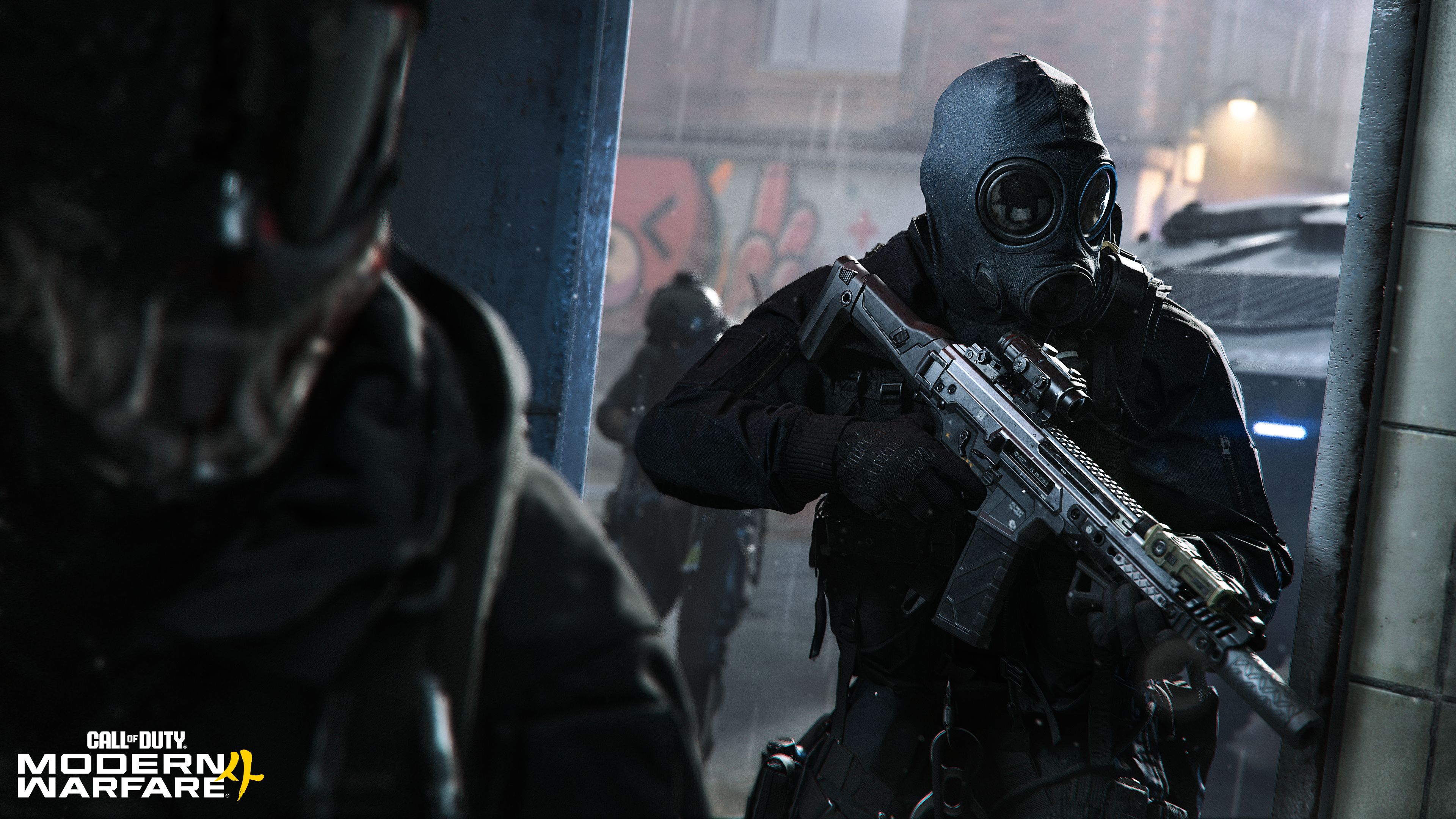
Four multiplayer modes came into clearer focus: Team Deathmatch, Domination, Inflation, and Gunfight. Team Deathmatch and Domination deliver exactly what one would expect: familiar rules that let players focus on movement, weapons, aiming, and map rhythm. These modes are not about major innovations, but about whether the foundations of Call of Duty work. If moving and shooting do not feel good here, no new system can save the game.
Inflation is the new mode among those tested. It is built on deathmatch-like foundations, but players drop cash rewards, and the team holding the most money at the end wins. This rule set encourages both aggressive play and more careful risk management, because killing is not enough: the collected value must also be kept. It could fit especially well with Call of Duty’s fast, constantly respawning combat rhythm, provided the map structure and respawn points do not make the fight around money too chaotic.
Gunfight was the hardest bite, partly because it was played on Modern Warfare 4‘s new dynamic map, Kill Block. Gunfight has always been a tougher, more concentrated mode, where fewer players, smaller spaces, and shorter decision windows expose how well someone understands the map, cover, weapon, and enemy movement. If a changing map structure is added to that, the player cannot rely entirely on familiar angles and positions learned by reflex.
Kill Block Hates Muscle Memory
Kill Block’s official name is Westbridge Training Facility, and it looks like one of Infinity Ward’s most eye-catching multiplayer ideas. The map is built from three large map pieces, called “slabs,” with the middle “hero slab” serving as the main collision point. In size, it is roughly comparable to Shoot House, meaning it is not a giant battlefield, but a dense, tight space suited to fast engagements. The difference is that the map pieces can arrange themselves into different configurations, and according to Infinity Ward, more than 500 possible variants will be supported at launch, with more coming later.
This concept can go two ways. In the best case, Kill Block keeps matches fresh, prevents players from memorizing every angle too quickly, and creates situations where constant adaptation is required. In the worst case, variability becomes an end in itself, and the map becomes not tactical, but unpredictable. According to Game Rant’s preview, the developers’ goal is for players to fight each other, not the map. That is a key sentence. Dynamic maps work when change adds extra tension, but does not take away the sense of control.
Alongside Kill Block, Modern Warfare 4 will launch with 12 new core 6v6 maps set in different parts of the world. Some maps share locations with the campaign, while others take the series into new areas. According to the developers, one of the main goals of map design was that the player should not fight the map, but the opponents. In Call of Duty, this means a great deal. A poorly readable, overcrowded map full of strange routes can kill the experience even if the weapons and movement are good on their own. If Modern Warfare 4 really delivers cleaner, more understandable battlefields, that could be at least as important as any new attachment or mode.
The full multiplayer package will also include separate Gunfight maps and multiple Big War maps built around infantry and vehicle combat. According to Game Rant’s preview, the Big War modes, including Combat Outposts and Frontal Assault, could not yet be played, but the direction is understandable. Modern Warfare 4 wants to keep the classic 6v6 core while also making room for larger-scale clashes. That connects back to the campaign’s larger war atmosphere: the game does not want to feel like only a small, closed commando operation, but a full conflict.
DMZ Does Not Want to Be Set Dressing
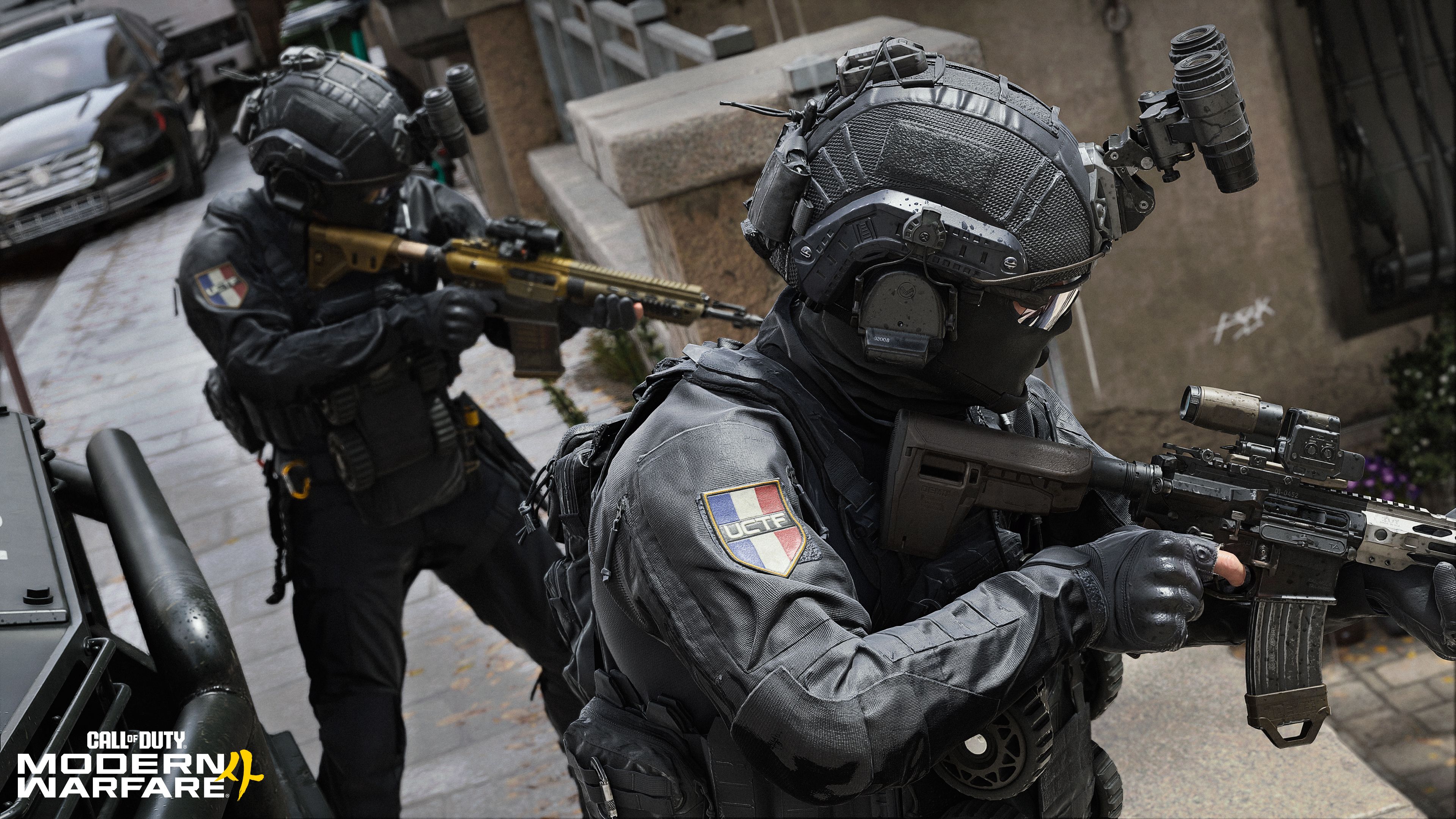
Less is known about DMZ for now, but the way Infinity Ward positions it already says a lot. According to the developers, this will be the definitive Call of Duty extraction shooter experience: a living combat sandbox where players loot, fight, negotiate, betray each other, and then try to get out with whatever they can carry. In role terms, players deploy alone or with a squad as officially nonexistent assets trying to recover advanced military technology left behind after the war.
The DMZ in Modern Warfare 4 promises changing weather, dynamic military objectives, and enemy forces moving through the zone. All of this suggests that Infinity Ward is not treating the return as a side mode, but as a real third pillar alongside campaign and multiplayer. That is a big opportunity, but also a big risk. DMZ has to be deep enough for those who want an extraction shooter experience, and understandable enough for those who arrive as Call of Duty players rather than Tarkov veterans. If it is too simple, it will run out of steam quickly. If it is too closed and punishing, it will lose the wider audience.
Game Rant’s preview is cautious because DMZ was not playable, but based on the described concept, Infinity Ward at least understands that bringing back the name is not enough. The mode needs its own rhythm, stakes, and reward logic. Call of Duty’s fast weapon feel and accessible controls could be a good foundation for a tighter extraction experience, but only if the zone actually feels alive and decisions carry weight. Looting, risk, betrayal, and extraction work when the player feels on every deployment that something can be gained, but something can also be lost.
Not Just a Big Logo This Time
In its preview state, Call of Duty: Modern Warfare 4 looks more promising than one would automatically expect from a tired annual series. The campaign wants to be bigger, more politically tense, and more frontline-focused; the multiplayer, based on the report, really feels cleaner, heavier, and fairer; and DMZ may not be just a returning label, but a potentially full third pillar. The most important point, however, is that after playing it, Game Rant’s writer did not say that he saw a few decent additions, but that he wanted to keep playing. For a Call of Duty preview, there is no more important sentence.
Of course, this is not victory yet. Call of Duty games are not decided by preview presentations, but by the weeks after launch. The campaign will be judged by its full rhythm, characters, handling of the political setup, and mission variety. Multiplayer will be kept alive or buried by the maps, balance, time to kill, respawn logic, Apex Attachments tuning, and post-launch support. DMZ, meanwhile, will only prove whether it is truly the definitive Call of Duty extraction experience when players start taking it apart over the long term. But based on the first tangible impressions, Modern Warfare 4 does not look like an empty restart, but an entry trying to take its own name seriously again.
The series badly needs that. Call of Duty works best when it does not just deliver more content, but a clearer, stronger, better-directed experience. Modern Warfare 4 currently promises exactly that: a bigger war, cleaner shooting, smoother movement, more understandable duels, more distinctive weapon progression, and a more serious DMZ return. If Infinity Ward can really carry this through, this could be the entry that not only serves the usual audience, but also pulls back those who put down the weapon years ago. If not, it remains another big promise on the series’ long list. But based on the preview, there is at least a reason to pay attention.
-Herpai Gergely „BadSector”-
Source: Game Rant, Call of Duty, Xbox Wire








![Dexter Returns in the First Look at Dexter: Resurrection Season 2 [VIDEO]](https://thegeek.games/wp-content/uploads/2026/07/theGeek-Dexter-Season-2-300x365.jpg)